 Meetings
APEC CTF–NXPO CONVENES ADAPTATION WORKING GROUPS UNDER THE SECOND TECHNOLOGY NEEDS ASSESSMENT (TNA 2): WATER RESOURCES AND HUMAN SETTLEMENTS/HUMAN SECURITY
Meetings
APEC CTF–NXPO CONVENES ADAPTATION WORKING GROUPS UNDER THE SECOND TECHNOLOGY NEEDS ASSESSMENT (TNA 2): WATER RESOURCES AND HUMAN SETTLEMENTS/HUMAN SECURITY
APEC CTF–NXPO CONVENES ADAPTATION WORKING GROUPS UNDER THE SECOND TECHNOLOGY NEEDS ASSESSMENT (TNA 2): WATER RESOURCES AND HUMAN SETTLEMENTS/HUMAN SECURITY

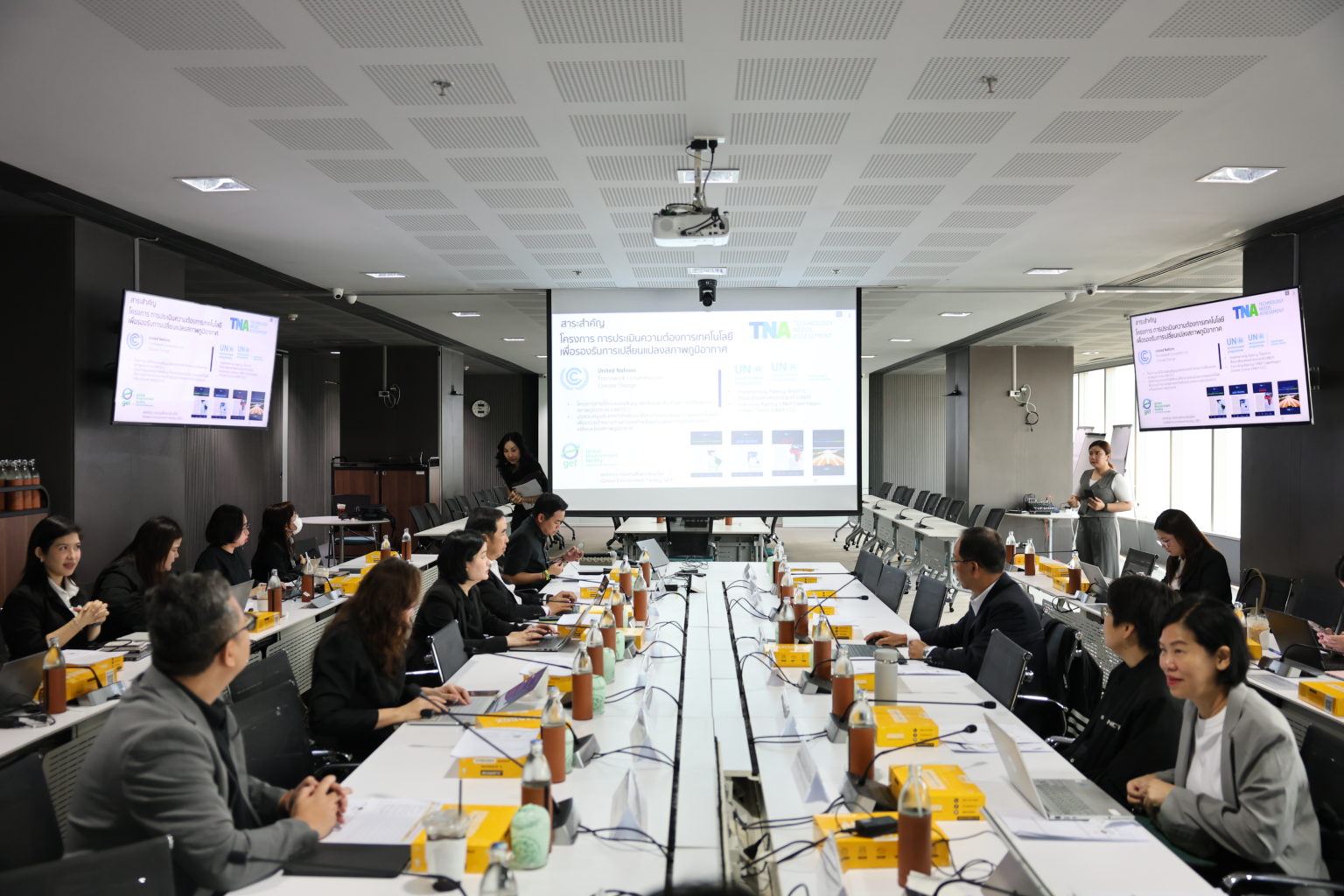
(23 February 2026) The Office of the National Higher Education, Science, Research and Innovation Policy Council (NXPO) and the APEC Center for Technology Foresight (APEC CTF) convened a meeting of the Climate Change Adaptation Working Groups under Thailand’s Second Technology Needs Assessment (TNA 2) Project, implemented under the United Nations Framework Convention on Climate Change (UNFCCC). The project supports the assessment of Thailand’s technology needs in responding to climate change, with the United Nations Environment Programme (UNEP) providing implementation support. The meeting was organized in two sessions: Water Resources Management in the morning and Human Settlements and Human Security in the afternoon, and was held at Waghor Room 1, NXPO, Chamchuri Square Building, 14th Floor.
The meeting was convened in the context of Thailand’s increasing emphasis on climate action—particularly “adaptation,” defined as national and societal efforts to reduce vulnerability and strengthen the capacity to cope with climate impacts that are expected to intensify over time. Adaptation and impact management are therefore critical to national security, covering water security, health, community and urban safety, and overall quality of life. Thailand has established a National Adaptation Plan (NAP) and now needs to accelerate the systematic and formal selection and deployment of appropriate technologies to reflect the country’s technology needs in its international reporting. This process can create opportunities for future support, including finance, capacity building, and technology transfer.
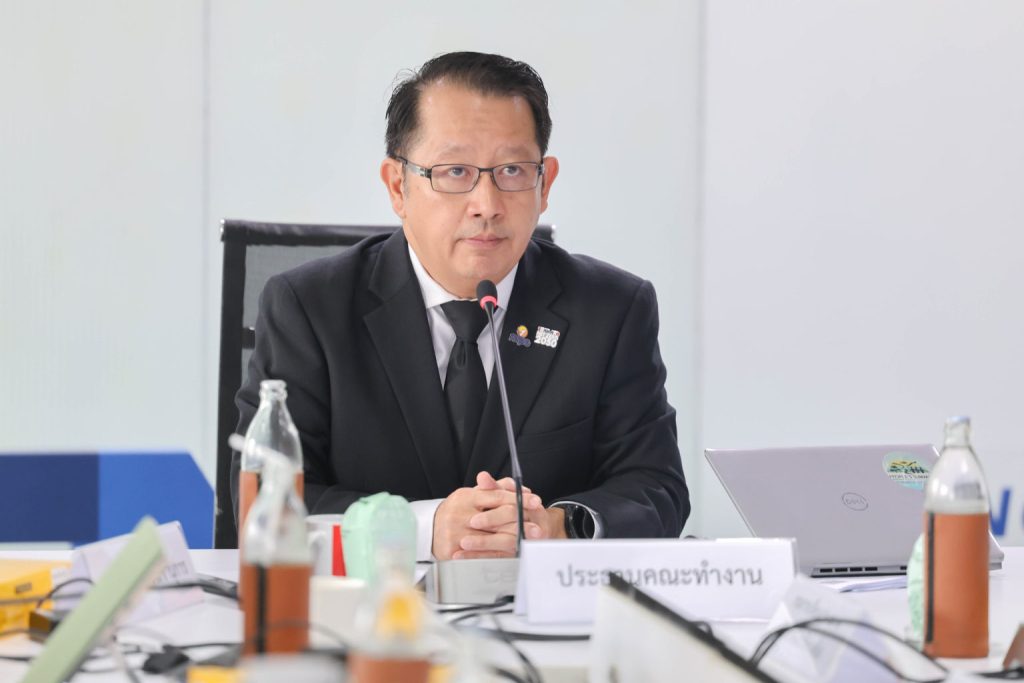
The meeting was chaired by Assoc. Prof. Wongkot Wongsapai, Vice President of NXPO and Chair of both the Water Resources Management Working Group and the Human Settlements and Human Security Working Group. He underscored the importance of the TNA report for Thailand and highlighted the role of the working groups in providing technical inputs to enable the country to prioritize adaptation technologies in line with national circumstances—particularly in support of Thailand’s climate change adaptation plan, which sets out a three-phase framework: short term (B.E. 2566–2570 / 2023–2027), medium term (B.E. 2571–2575 / 2028–2032), and long term (B.E. 2576–2580 / 2033–2037). This framework aims to ensure that selected technologies address climate risks and can be scaled up in a practical manner at both local and national levels.
Participants included representatives from key stakeholder groups, including government agencies, the private sector, financial institutions, and academia, to jointly deliberate, exchange views, and provide recommendations on approaches for selecting priority technologies in each sector.
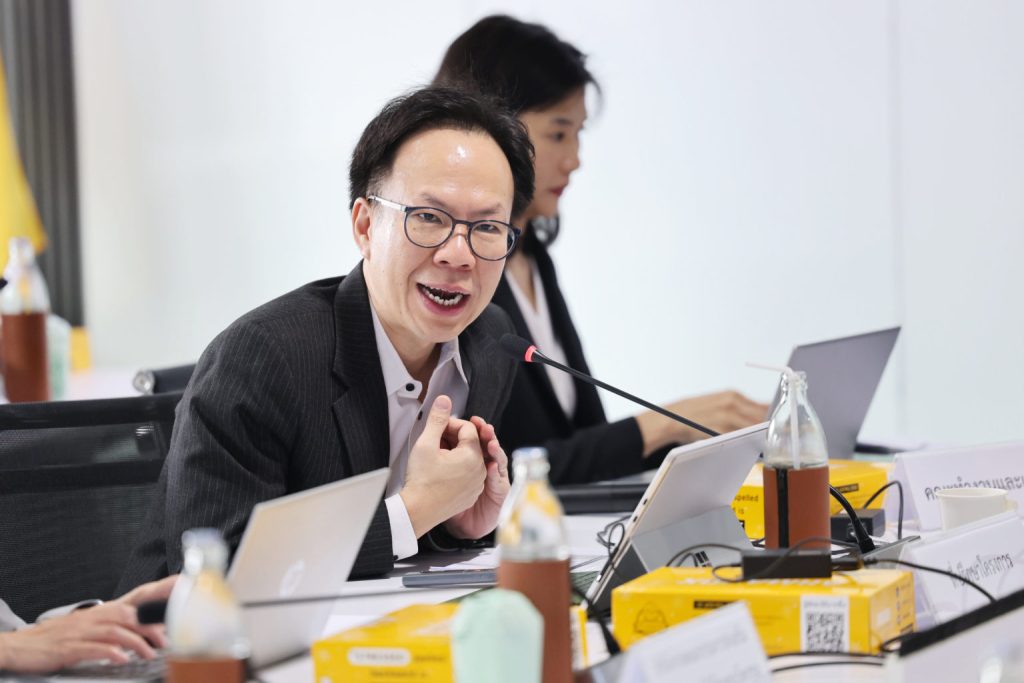
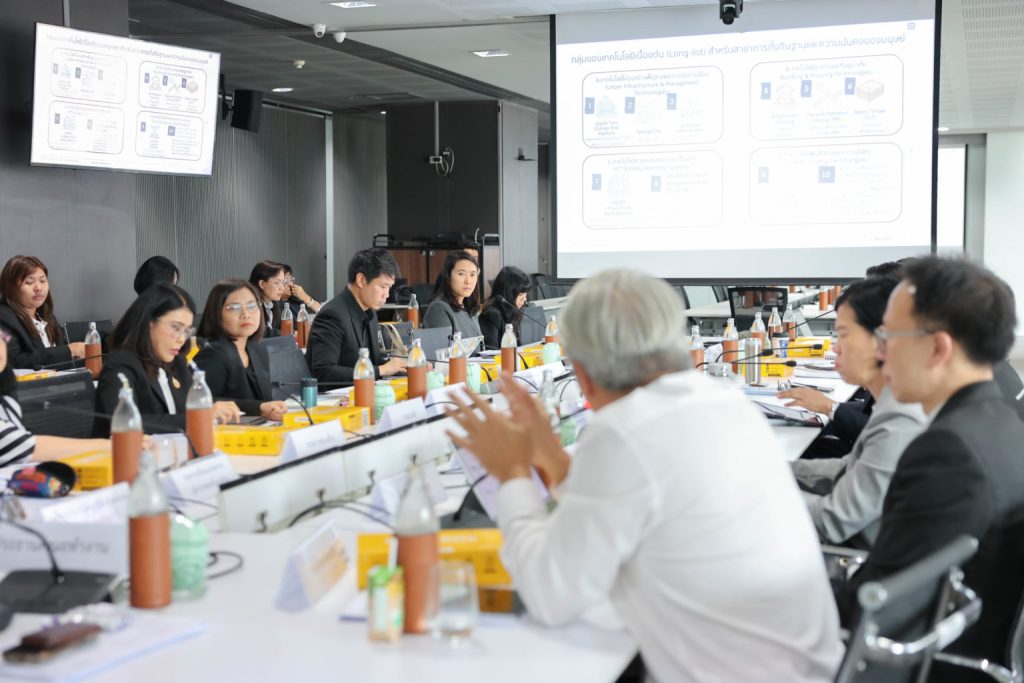
Key outcomes included the working groups’ review of a preliminary longlist of technologies for both sectors, followed by prioritization using UNEP’s standard criteria, and the collection of feedback from participants. The inputs will be used to refine and synthesize a shortlist of technologies for the next phase of work.
#tna #foresight #apecctf #thailand

Share


 Back
Back