
 Meetings
NXPO EXECUTIVE BOARD REVIEWS THAILAND’S TNA AS PART OF APEC CTF’S FORESIGHT WORK ON CLIMATE TECHNOLOGY PLANNING
Meetings
NXPO EXECUTIVE BOARD REVIEWS THAILAND’S TNA AS PART OF APEC CTF’S FORESIGHT WORK ON CLIMATE TECHNOLOGY PLANNING
NXPO EXECUTIVE BOARD REVIEWS THAILAND’S TNA AS PART OF APEC CTF’S FORESIGHT WORK ON CLIMATE TECHNOLOGY PLANNING

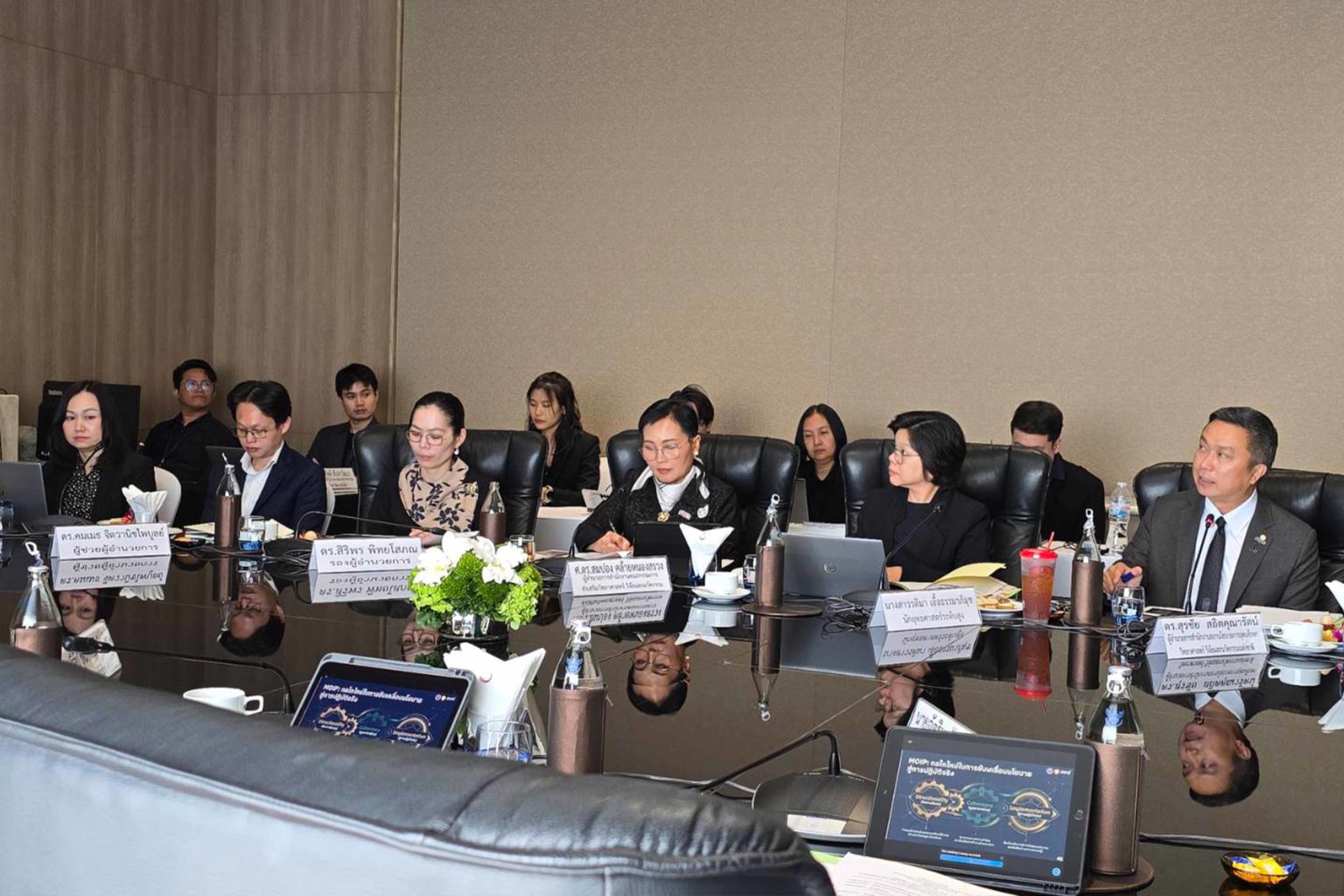
On 22 June 2026, Prof. Dr. Supachai Pathumnakul, Permanent Secretary of the Ministry of Higher Education, Science, Research and Innovation (MHESI), chaired the NXPO Executive Board Meeting. Dr. Surachai Sathitkunarat, President of NXPO, served as Board Member and Secretary to the meeting.
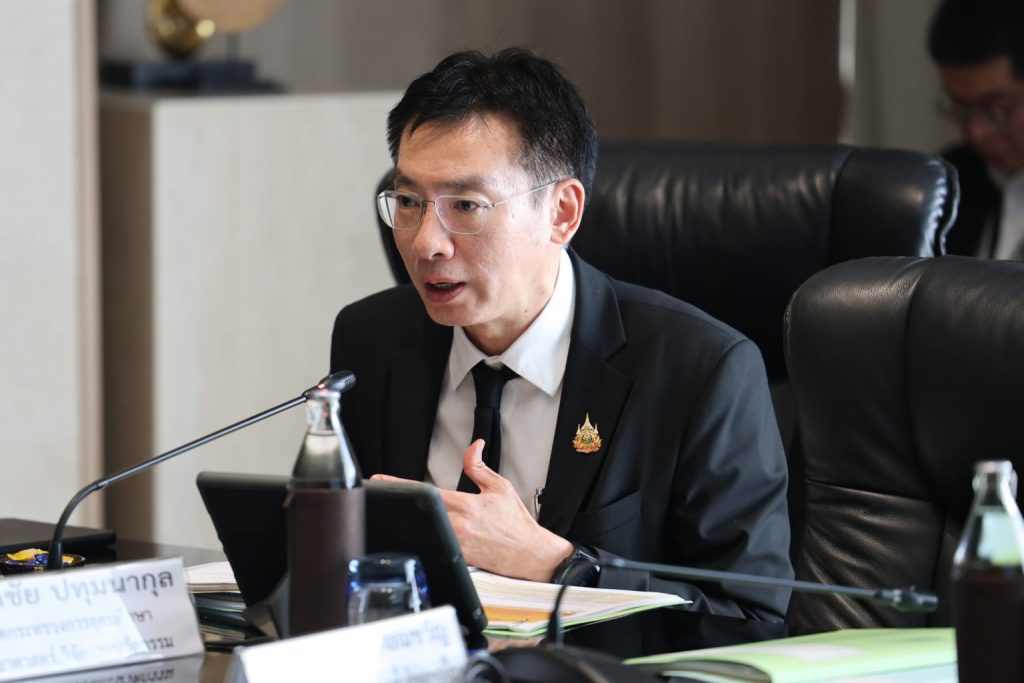
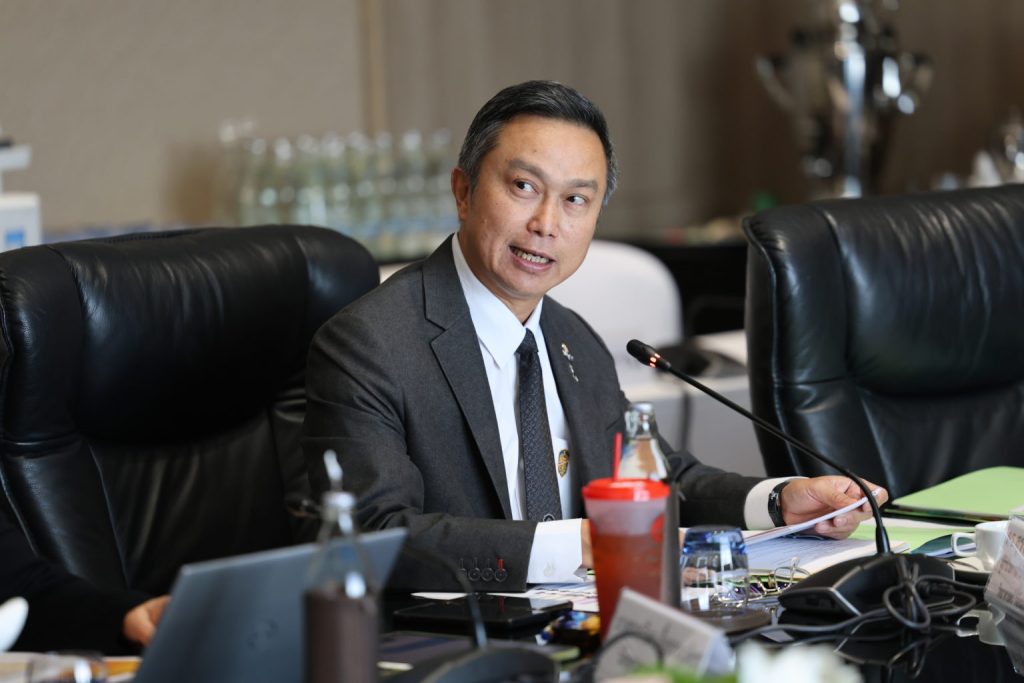
One of the key agenda items was Thailand’s Technology Needs Assessment (TNA) 2nd Edition, presented by Dr. Srichattra Chaivongvilan, Strategist 2 at APEC CTF – NXPO. The presentation emphasized that climate change has become an urgent structural issue affecting economic development, international trade, technological competitiveness, and national resilience. In this context, the TNA serves as a strategic mechanism for identifying and prioritizing climate technologies that can support greenhouse gas mitigation and strengthen Thailand’s adaptive capacity.

Thailand’s TNA Phase II forms part of the broader foresight work of the APEC Center for Technology Foresight (APEC CTF), hosted by NXPO. By applying foresight and systems-based tools such as horizon scanning, STEEP analysis, system mapping, technology fact sheets, multi-criteria analysis, and evaluation matrices, the TNA process supports future-oriented technology planning. It helps identify priority technologies, assess readiness and impacts, anticipate implementation barriers, and translate climate technology needs into actionable policy pathways.
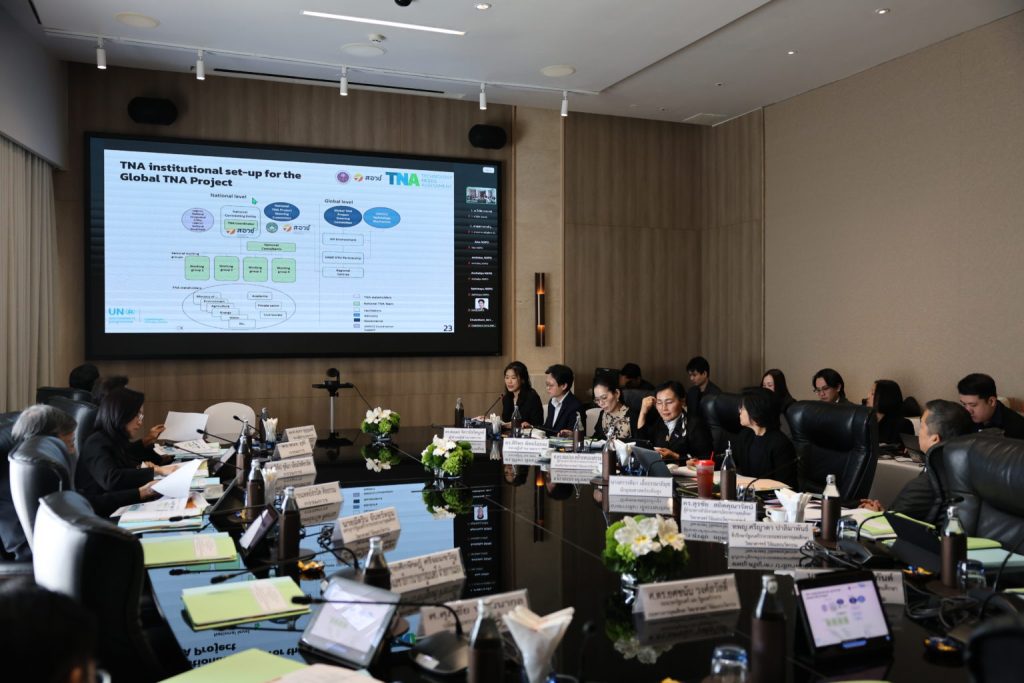
The TNA is implemented under the framework of the United Nations Framework Convention on Climate Change (UNFCCC), with financial support from the Global Environment Facility (GEF) and technical support from the United Nations Environment Programme (UNEP) and the UNEP Copenhagen Climate Centre. NXPO serves as the national coordinator, working with the Department of Climate Change and Environment (DCCE), public agencies, academia, the private sector, and other stakeholders.
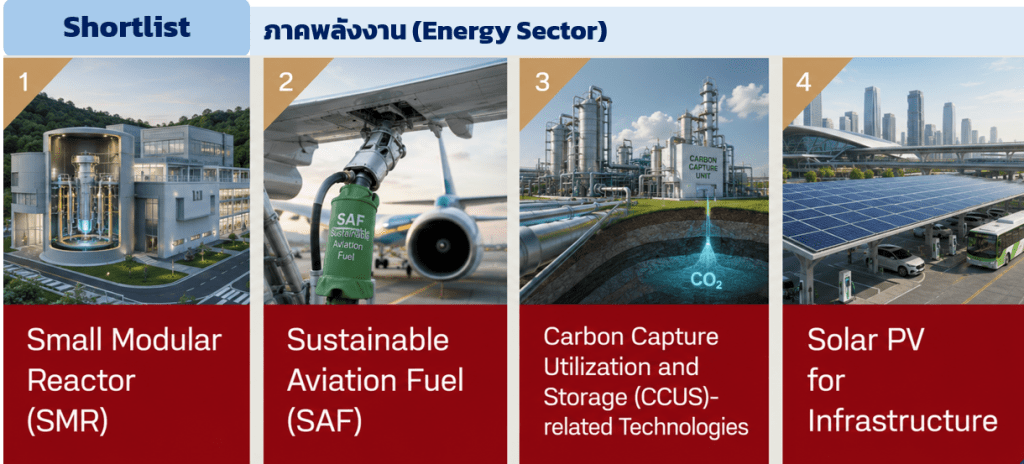
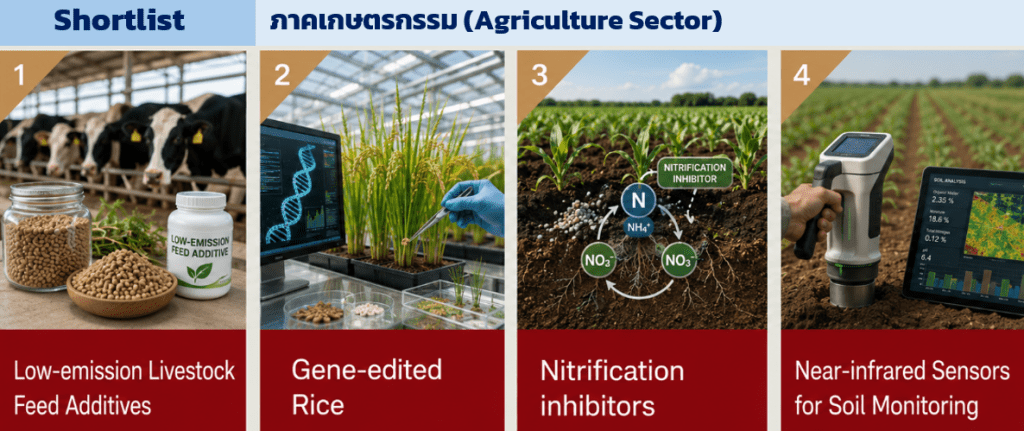
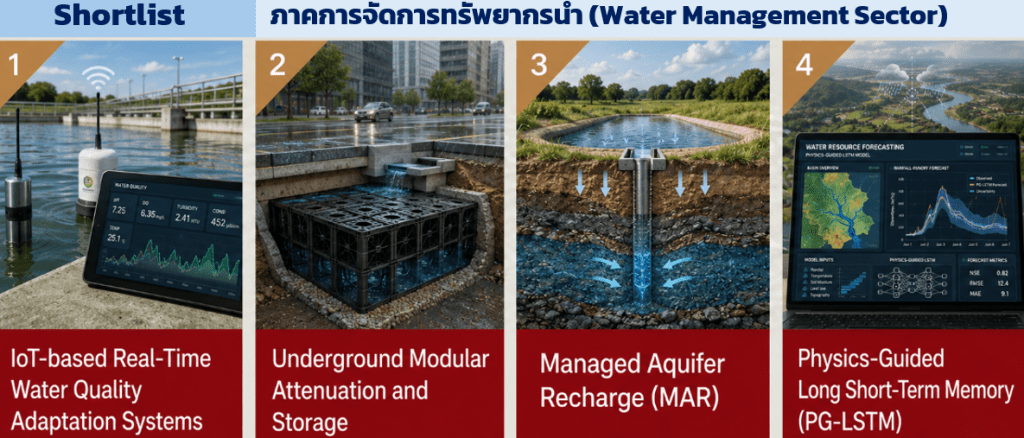
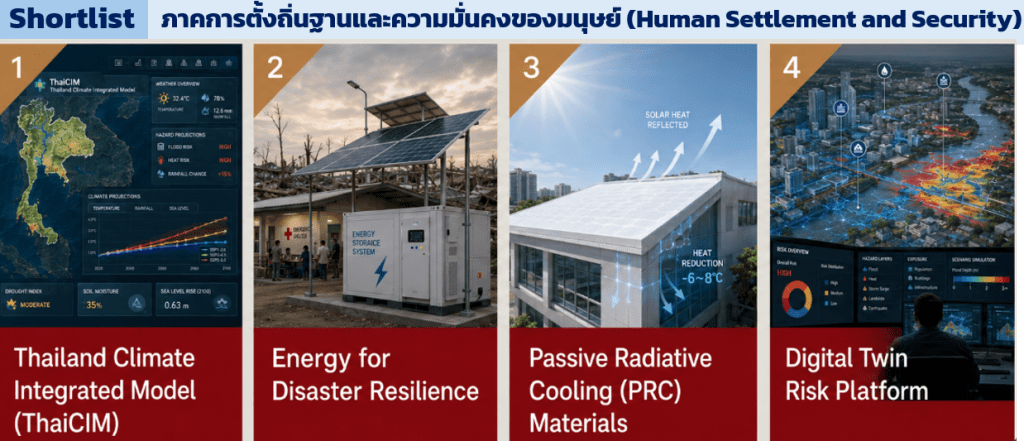
Four strategic sectors have been identified under Thailand’s TNA Phase II: energy, agriculture, water resources management, and human settlements and security. Priority technologies for mitigation include Small Modular Reactors, Sustainable Aviation Fuel, carbon capture technologies, Solar PV for Infrastructure, methane reduction technologies for ruminants, genetically modified rice varieties, nitrification inhibitors, and Near-Infrared sensor technologies. For adaptation, priority technologies include real-time IoT-based water quality monitoring systems, Underground Attenuation and Storage, Managed Aquifer Recharge, Physics-Guided Long Short-Term Memory models, the Thailand Climate Integrated Model, resilient energy systems, Passive Radiative Cooling materials, and Digital Twin-based Climate Risk Urban Planning Platforms.
Board members emphasized the importance of moving the TNA from assessment to implementation. They recommended that the next phase clearly identify responsible agencies, budget mechanisms, research and innovation instruments, human resource requirements, and potential sources of domestic and international financing. They also highlighted the need to assess Thailand’s technology gaps, readiness levels, economic returns, and investment attractiveness, particularly for advanced technologies that require substantial capital, regulatory preparation, and specialized expertise.
As part of APEC CTF’s foresight work, the TNA also provides lessons for broader regional knowledge exchange. The process demonstrates how foresight can support climate technology assessment, anticipatory policymaking, and the design of practical implementation pathways. These lessons can contribute to future cooperation among APEC economies on climate innovation, technology prioritization, and mission-oriented policy development.
Share


 Back
Back