
 News Release and Events
MHESI MINISTER OPENS TNA EVENT TO ADVANCE THAILAND’S CLIMATE TECHNOLOGY PRIORITISATION
News Release and Events
MHESI MINISTER OPENS TNA EVENT TO ADVANCE THAILAND’S CLIMATE TECHNOLOGY PRIORITISATION
MHESI MINISTER OPENS TNA EVENT TO ADVANCE THAILAND’S CLIMATE TECHNOLOGY PRIORITISATION

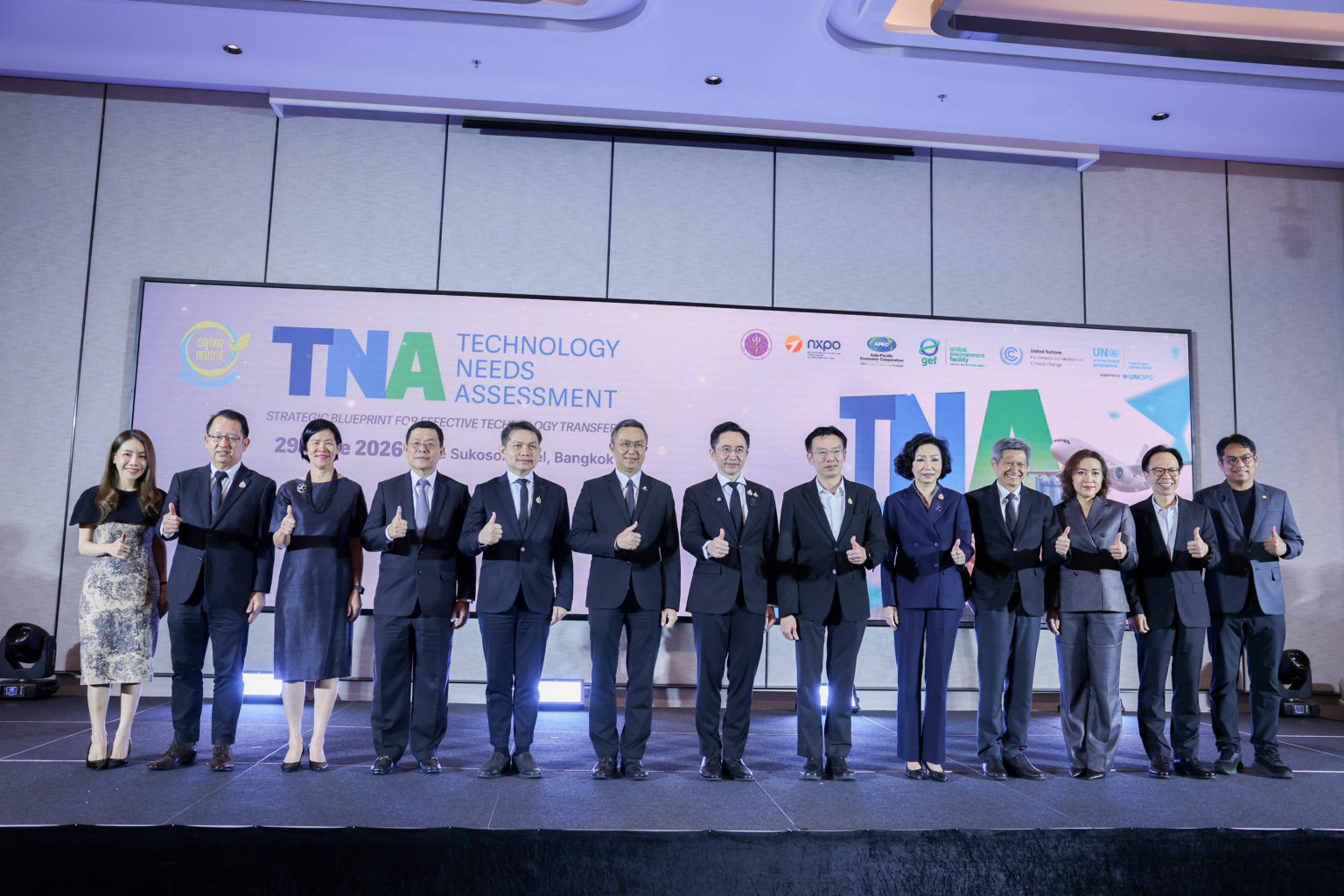
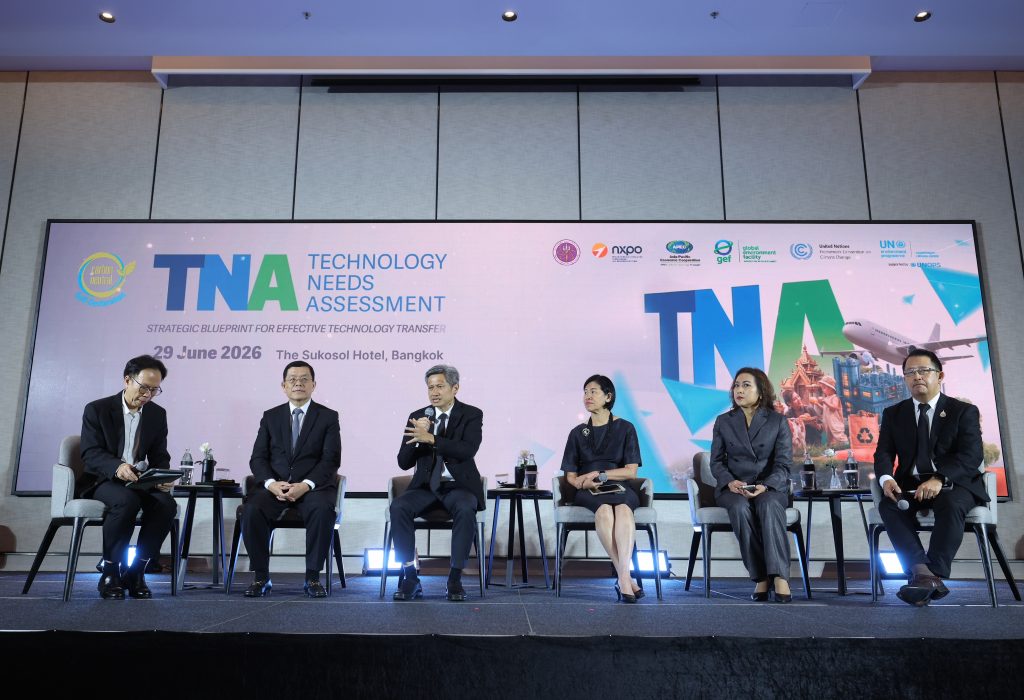
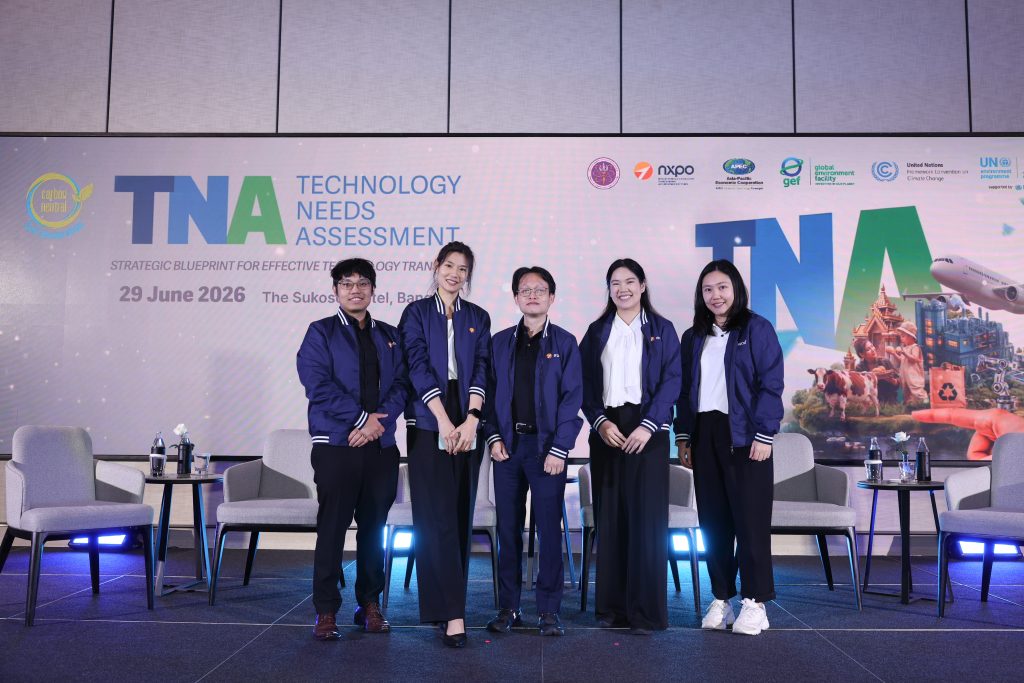
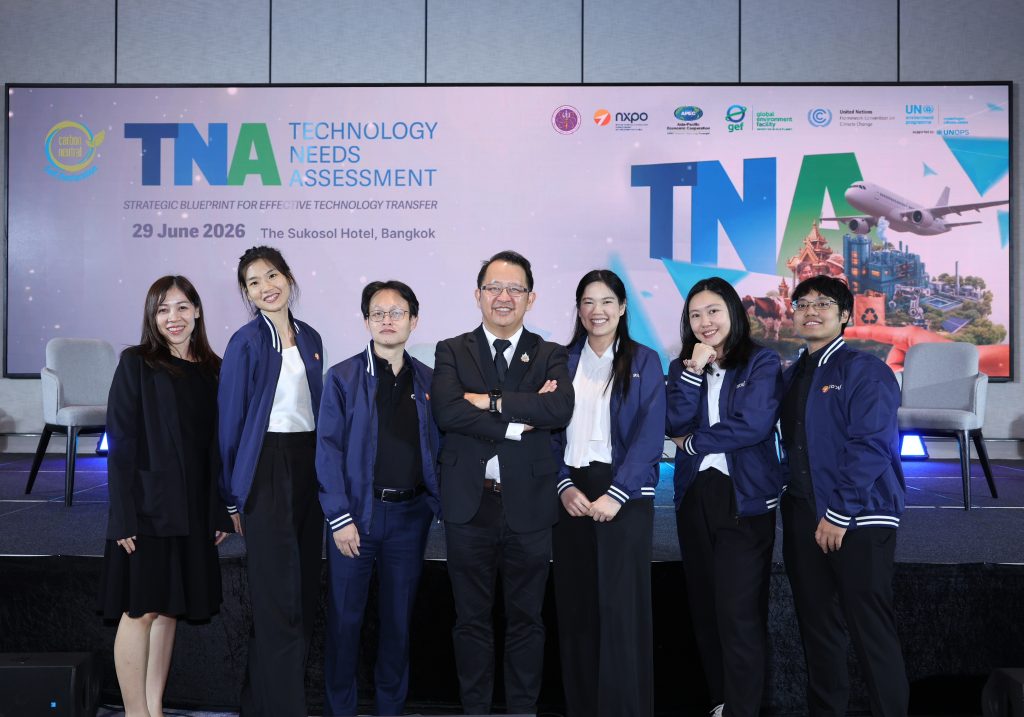
On 29 June 2026, the Ministry of Higher Education, Science, Research and Innovation (MHESI), through the Office of National Higher Education, Science, Research and Innovation Policy Council (NXPO) and the APEC Center for Technology Foresight (APEC CTF), organized the event “Technology Needs Assessment (TNA): Policy and Mechanisms to Accelerate Climate Technology for Thailand’s Greenhouse Gas Reduction” at The Sukosol Hotel, Bangkok.
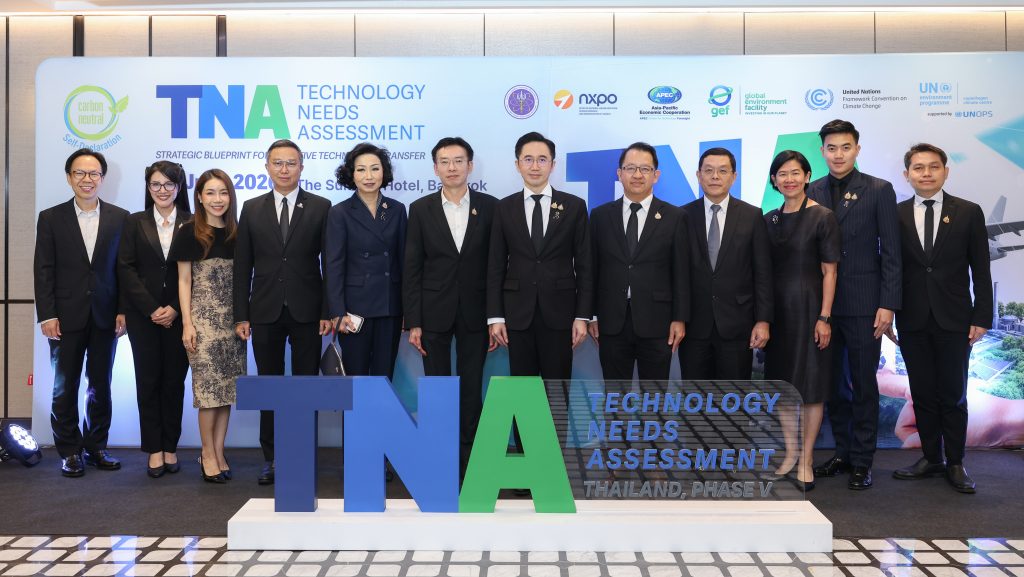
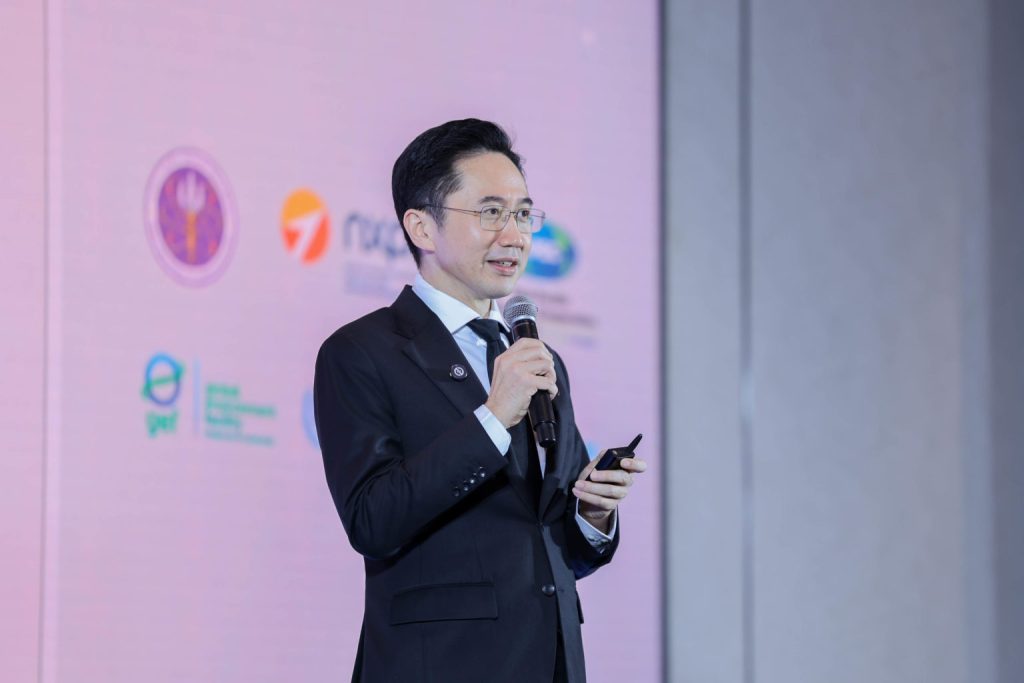
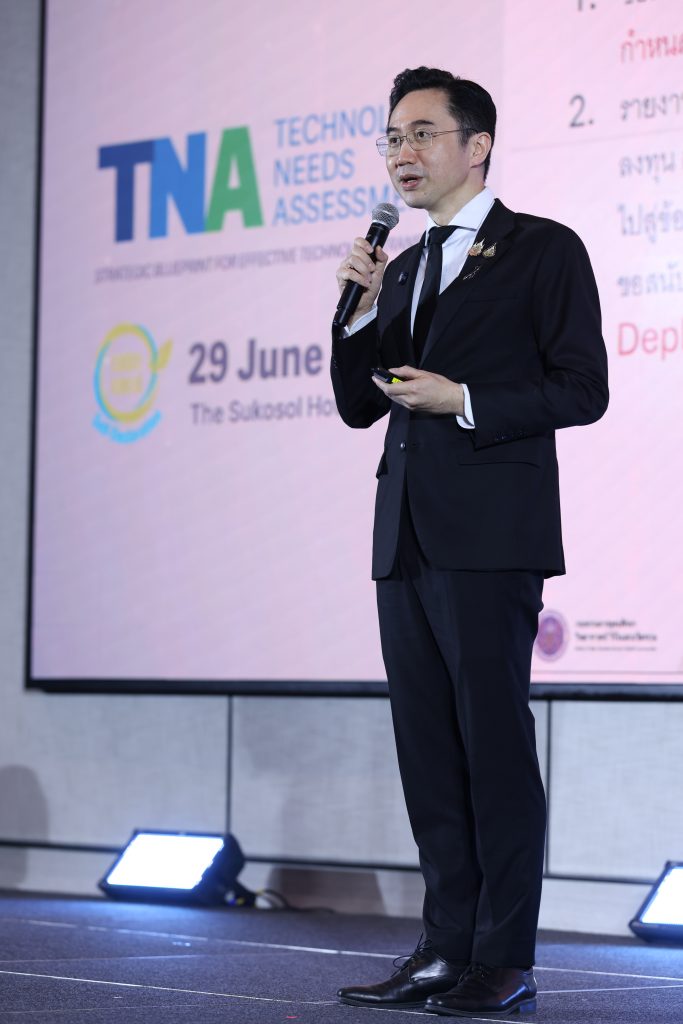
The event was opened by Prof. Dr. Yodchanan Wongsawat, Deputy Prime Minister and Minister of Higher Education, Science, Research and Innovation, who delivered a special keynote on advancing Thailand’s sustainable and competitive transition through Technology Needs Assessment.
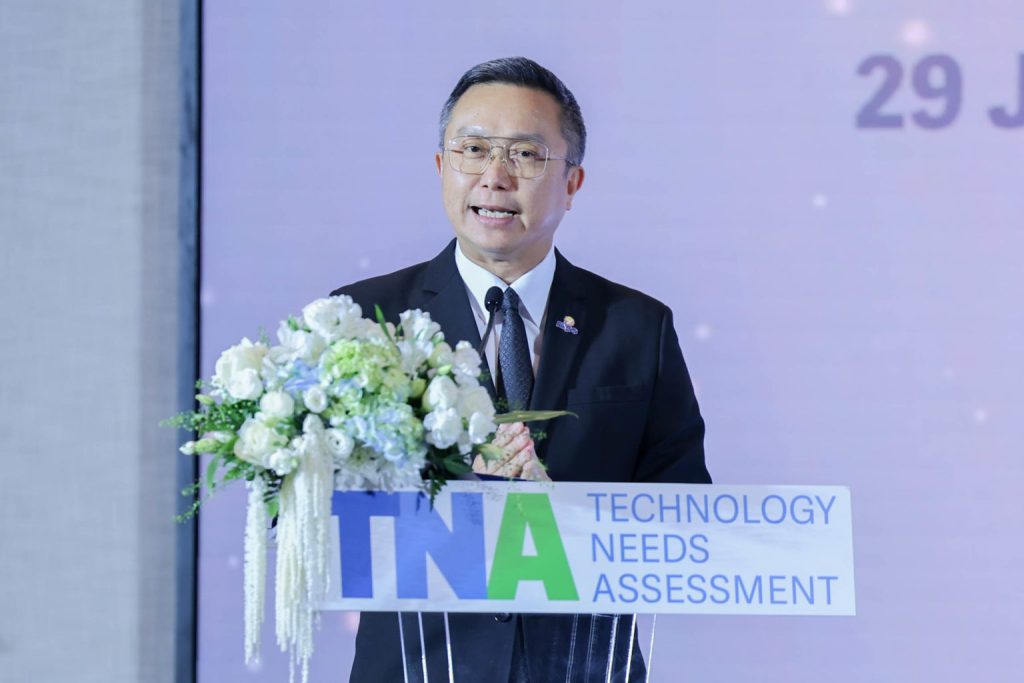
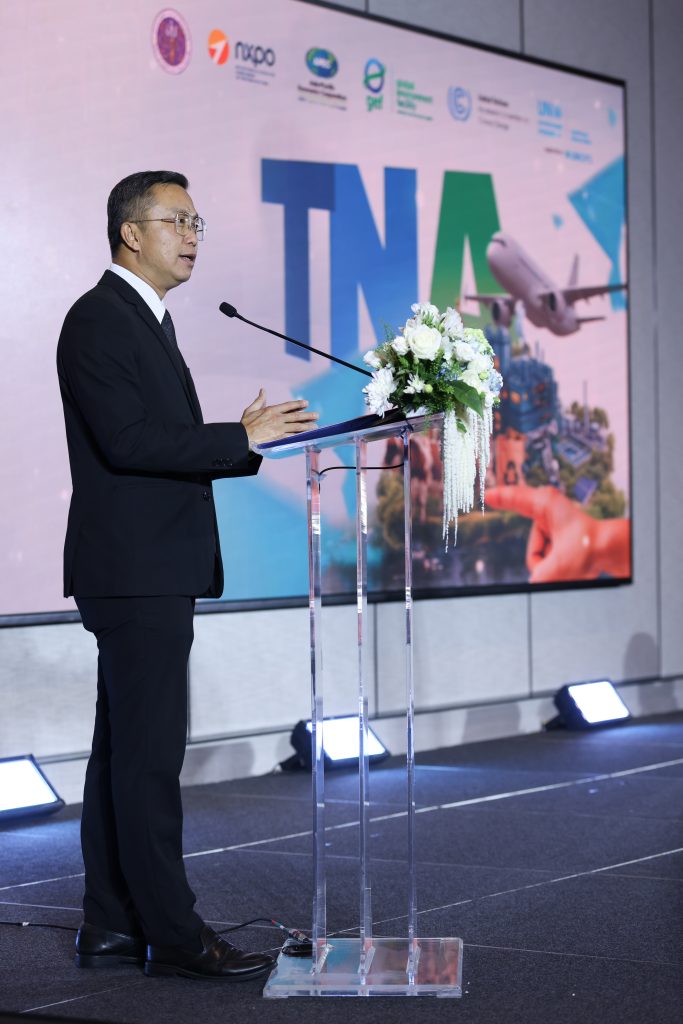
Dr. Surachai Sathitkunarat, President of NXPO, Executive Director of APEC CTF and Thailand TNA Coordinator, delivered welcoming remarks and highlighted the objectives of Thailand’s second TNA. He emphasized that the project, supported by the Global Environment Facility, aims to assess and prioritize climate technologies needed for Thailand’s mitigation and adaptation efforts, while also linking TNA results with national policy mechanisms and practical implementation.
Thailand’s second TNA forms part of APEC CTF’s broader foresight work on climate technology planning and future-oriented STI policy. Through foresight and systems-based approaches, APEC CTF supports the identification of emerging and priority technologies, the assessment of their readiness and potential impacts, and the design of implementation pathways that can respond to future climate, economic, and social challenges.
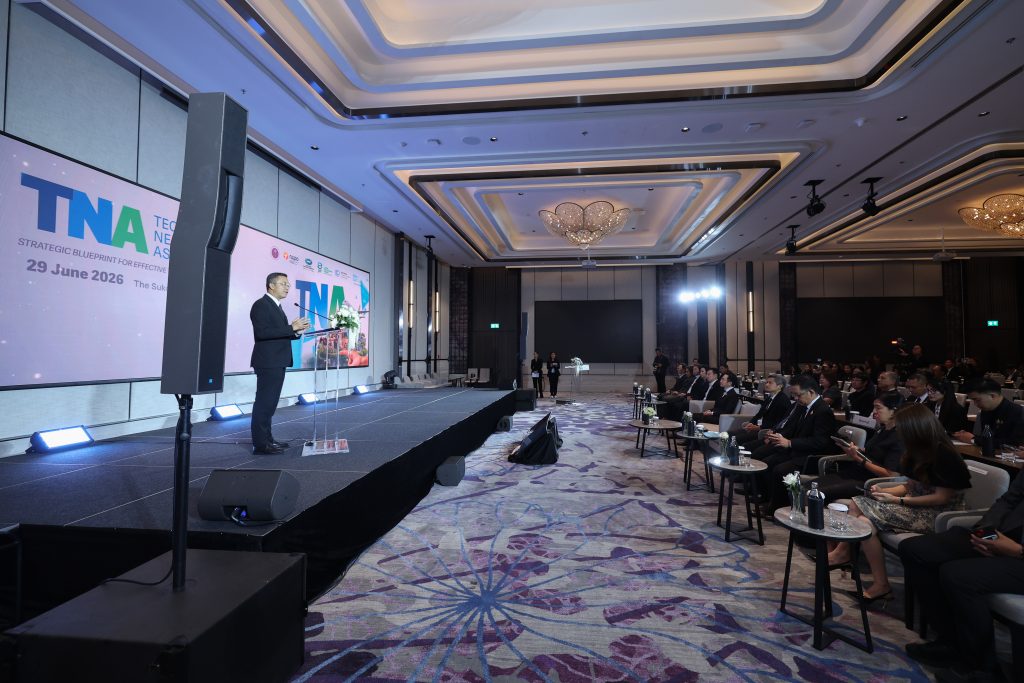
The project is implemented under the framework of the United Nations Framework Convention on Climate Change, with support from the Global Environment Facility, the United Nations Environment Programme, and the UNEP Copenhagen Climate Centre. NXPO serves as Thailand’s national TNA coordinator and works with relevant government agencies, academia, the private sector, international organizations, and other stakeholders.
Thailand’s new TNA focuses on four strategic sectors: energy, agriculture, water resources management, and human settlements and security. Priority technologies include Small Modular Reactors, Sustainable Aviation Fuel, carbon capture technologies, Solar PV for Infrastructure, methane reduction technologies, smart agricultural technologies, real-time water quality monitoring systems, Managed Aquifer Recharge, resilient energy systems, Passive Radiative Cooling materials, and digital platforms for climate risk urban planning.
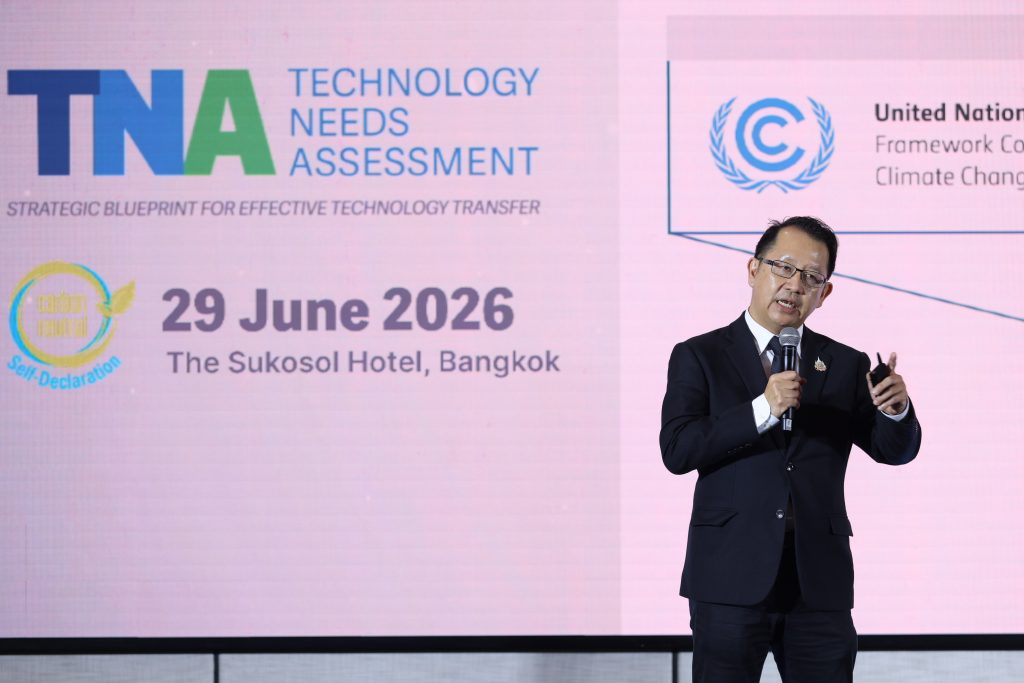
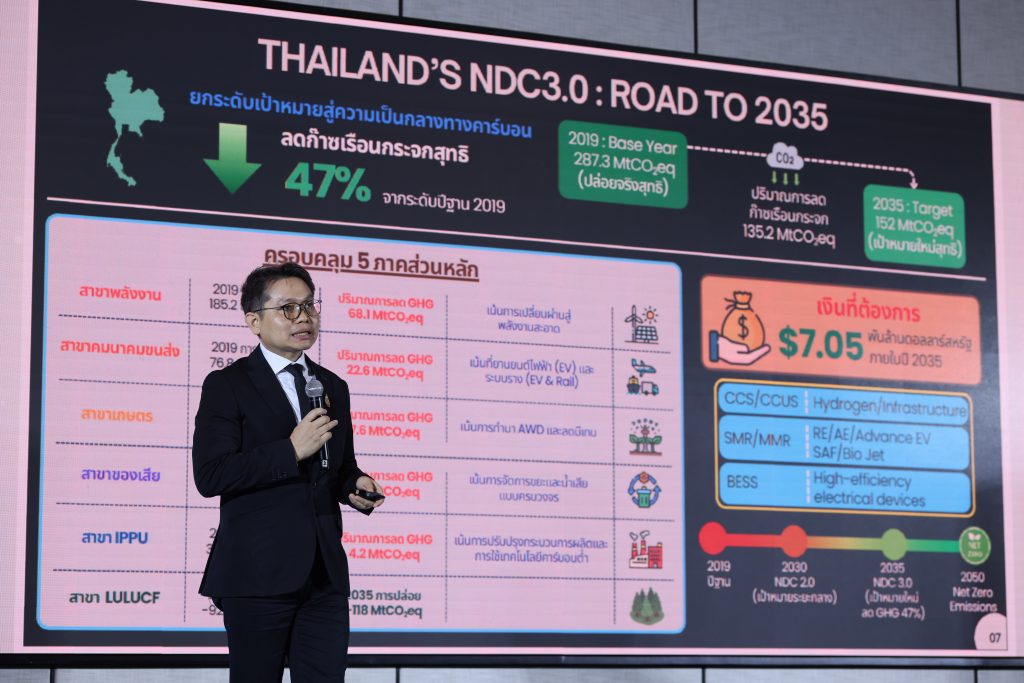
The event also featured a presentation on the progress of Thailand’s second TNA by Assoc. Prof. Dr. Wongkot Wongsapai, Vice President of NXPO, together with a presentation on how TNA results can be integrated into national policy implementation by Mr. Siwat Kaewcharoen, Director of the Greenhouse Gas Mitigation Mobilization Division, Department of Climate Change and Environment. The session highlighted how technology prioritization can be connected to concrete policy measures, investment plans, and support mechanisms.
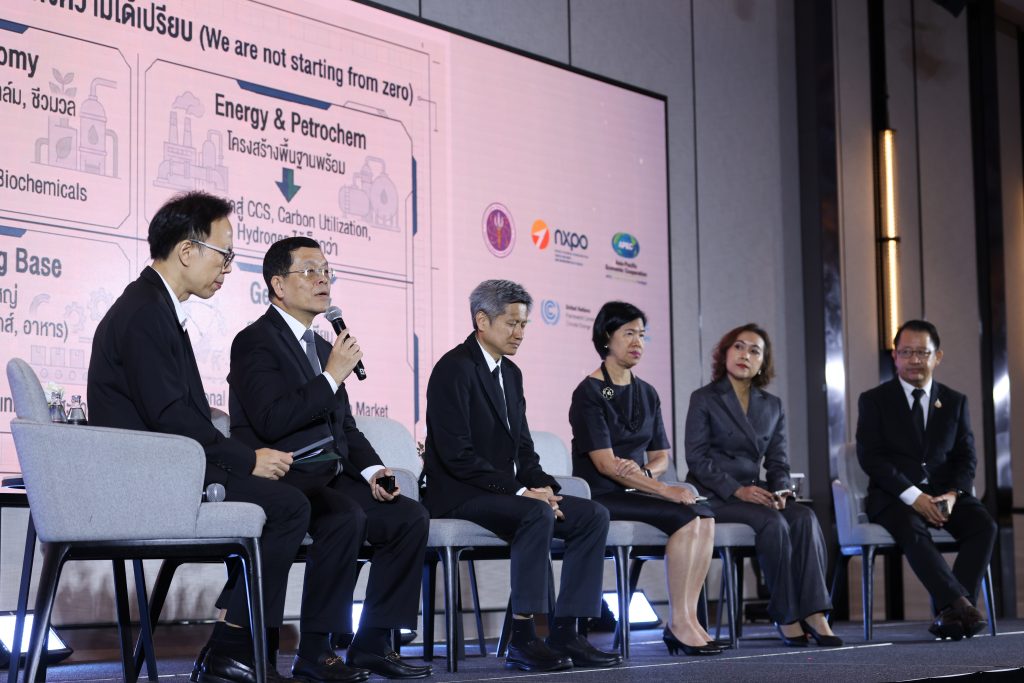
The event also included a panel discussion titled “Turning TNA into Impact: Financing, Policy & Technology Pathways for Thailand,” led by Mr. Boonrod Yaowapruek, TNA National Consultant and Managing Director of The Creagy. The session brought together representatives from policy, academia, research funding, international finance, and climate technology implementation to exchange views on how Thailand can translate TNA results into concrete impact. Discussions focused on policy design, financing mechanisms, investment project development, and the practical deployment of climate technologies in Thailand’s context.
The next phase of the TNA will focus on Barrier Analysis and Enabling Frameworks, followed by the development of Technology Action Plans. These outputs will help identify implementation barriers, enabling conditions, responsible agencies, financing options, and concrete project concepts to support the deployment of selected climate technologies.
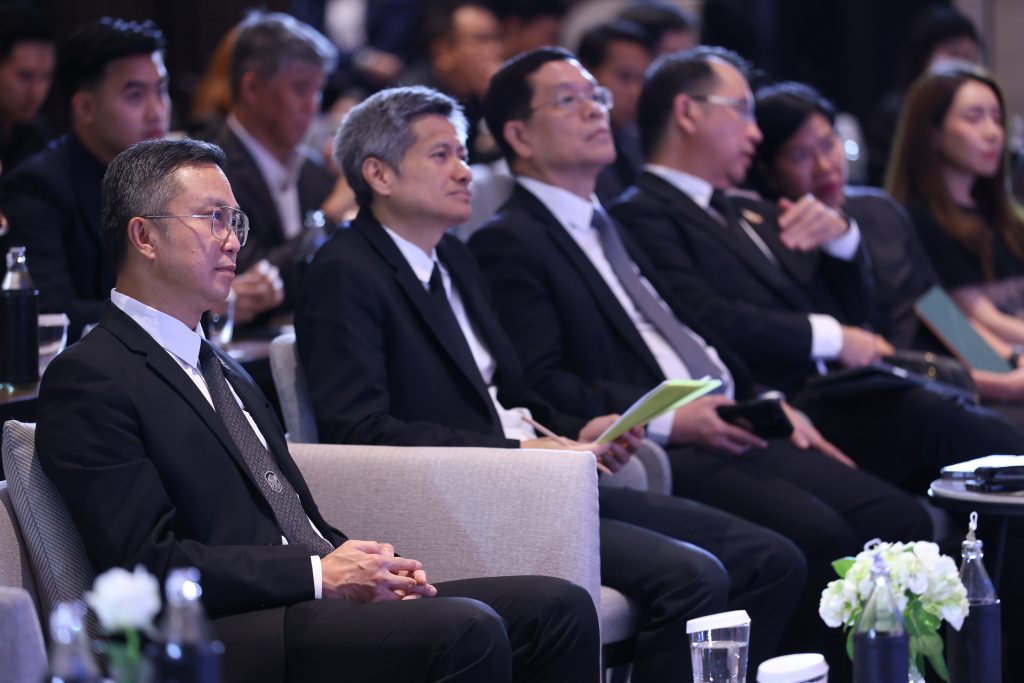
From APEC CTF’s perspective, Thailand’s TNA demonstrates how foresight can support climate technology assessment, anticipatory policymaking, and practical implementation. The process helps connect long-term climate goals with technology readiness, investment needs, policy design, and financing mechanisms.
Share


 Back
Back