
 News Release and Events
NXPO, APEC CTF AND THAILAND FORESIGHT ALLIANCE ANALYSE CROSS-DOMAIN DRIVERS TO ADVANCE THAILAND HORIZON 2030
News Release and Events
NXPO, APEC CTF AND THAILAND FORESIGHT ALLIANCE ANALYSE CROSS-DOMAIN DRIVERS TO ADVANCE THAILAND HORIZON 2030
NXPO, APEC CTF AND THAILAND FORESIGHT ALLIANCE ANALYSE CROSS-DOMAIN DRIVERS TO ADVANCE THAILAND HORIZON 2030

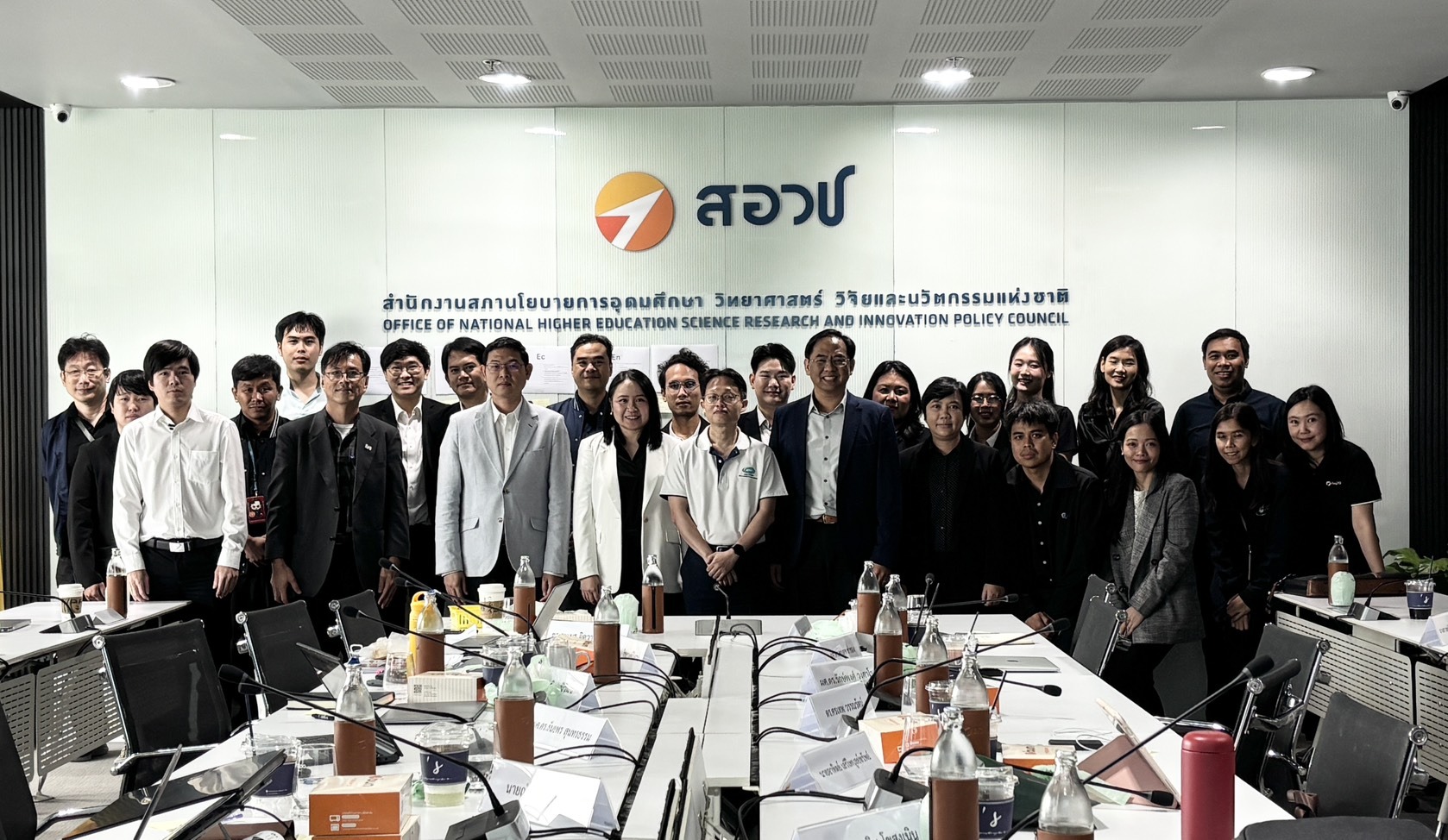
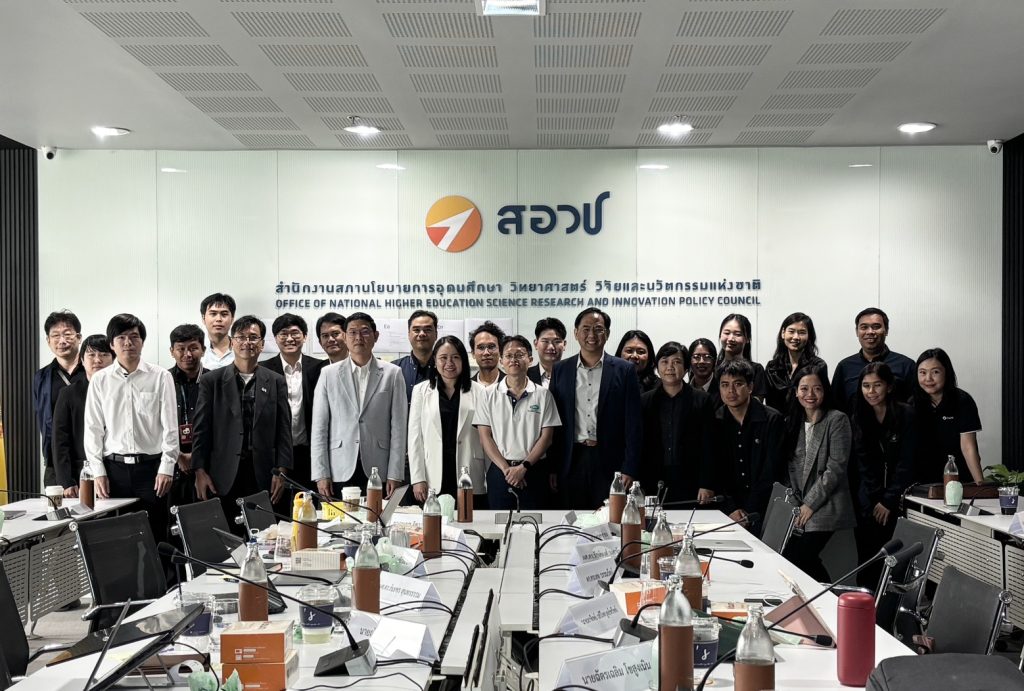
On 23 July 2026, the Office of National Higher Education Science Research and Innovation Policy Council (NXPO) and the APEC Center for Technology Foresight (APEC CTF), in collaboration with the Thailand Foresight Alliance, organised the workshop “Cross-impact Analysis: STEEP Drivers for Thailand Horizon 2030” at Chamchuri Square, Bangkok.
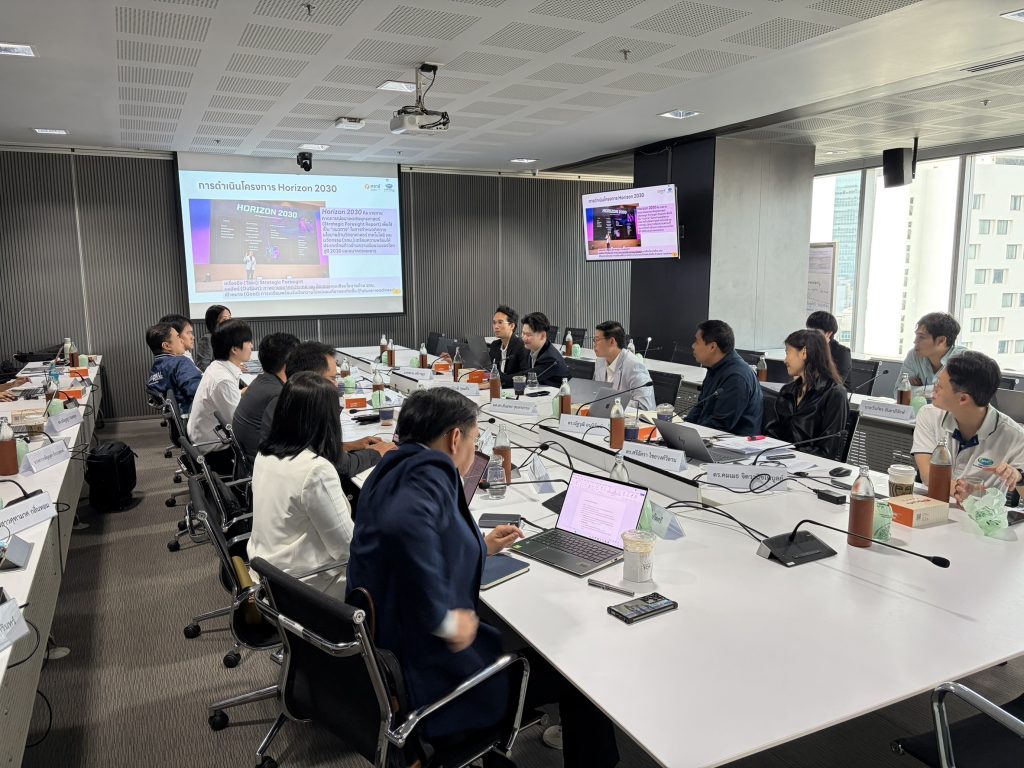
The workshop aimed to analyse the interconnections and cross-domain impacts among key drivers in the areas of society, technology, economy, environment, and policy. The results will provide an analytical foundation for developing future scenarios and preparing the Thailand Horizon 2030 Strategic Foresight Report.
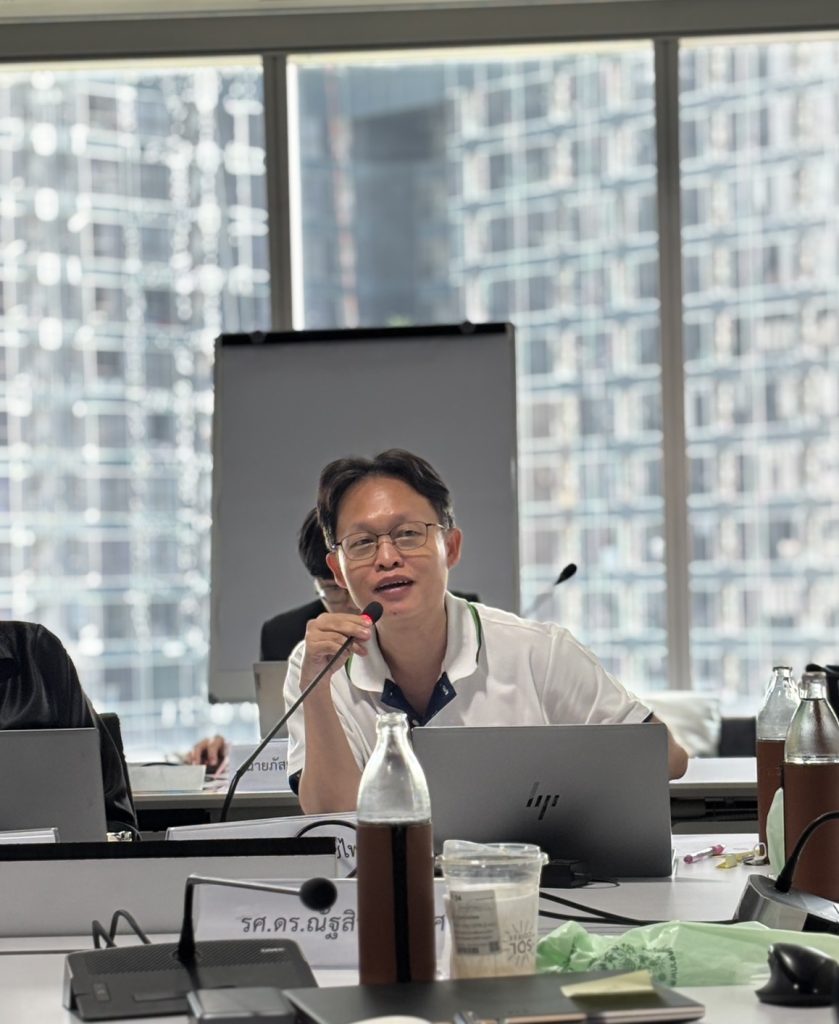
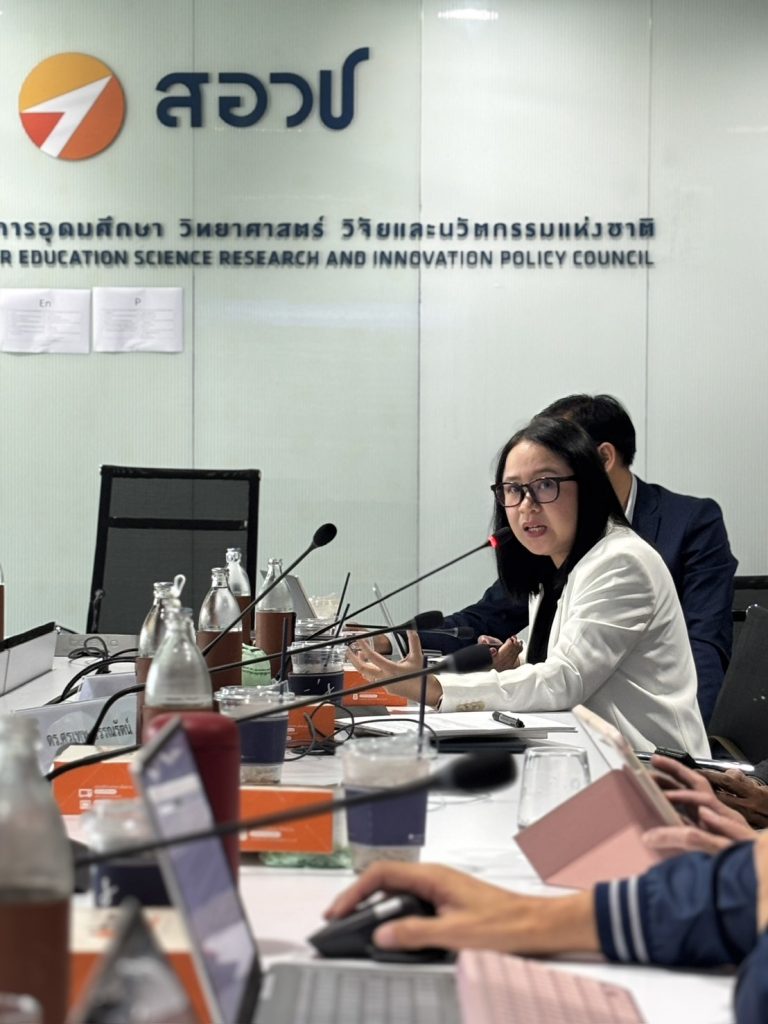
Dr. Kommate Jitvanichphaibool, Assistant to the President of NXPO and Deputy Director of APEC CTF, delivered the opening remarks and outlined the objectives of Thailand Horizon 2030. He explained that the initiative’s principal output will be a Strategic Foresight Report designed to serve as strategic guidance for shaping Thailand’s science, technology, and innovation policies.
The report will help policymakers and relevant organisations anticipate major transformations, emerging risks, opportunities, and critical uncertainties. Through this process, Thailand will be better positioned to navigate global volatility and complex challenges towards 2030, while building a stronger foundation for long-term national development.
The workshop formed part of a broader foresight process that began with horizon scanning across five dimensions under the STEEP framework: Social, Technology, Economy, Environment, and Policy. Emerging signals identified through the scanning process were reviewed and developed into shortlisted signals, key drivers, critical uncertainties, and cross-domain linkages before being assessed through Cross-impact Analysis.
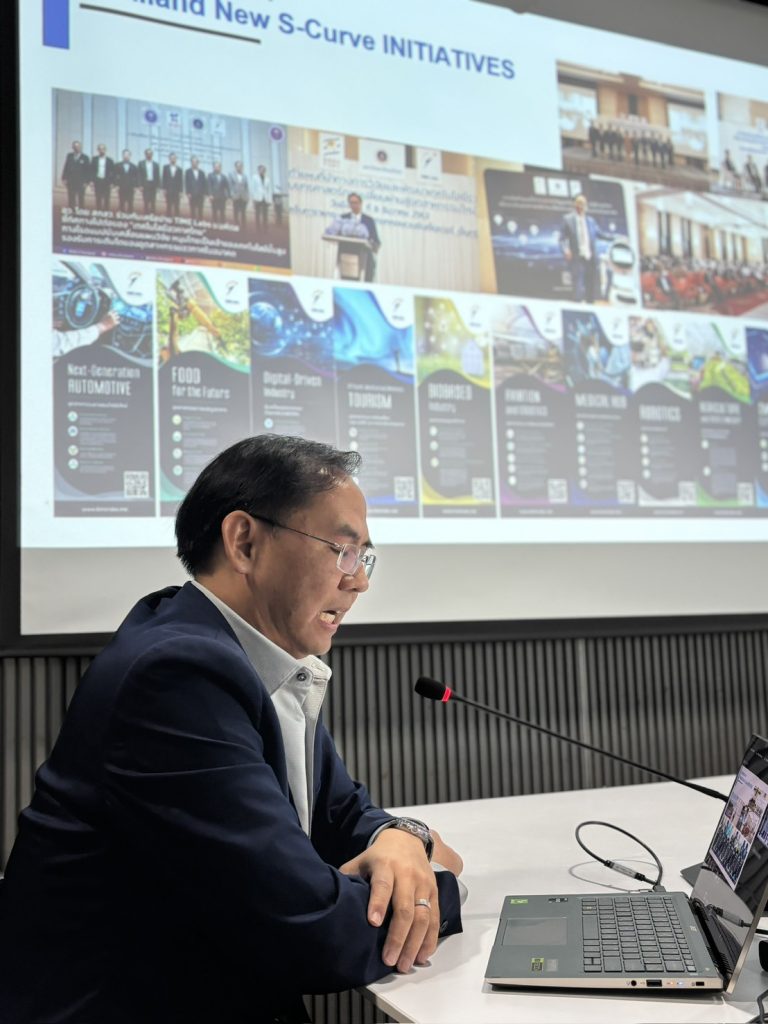
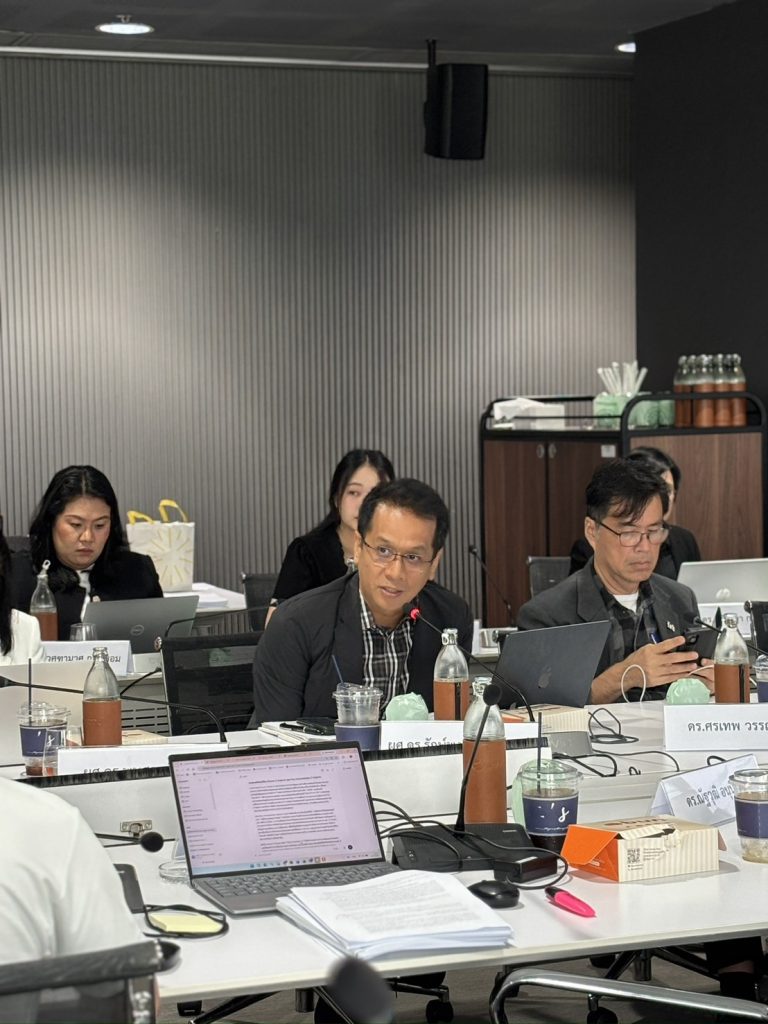
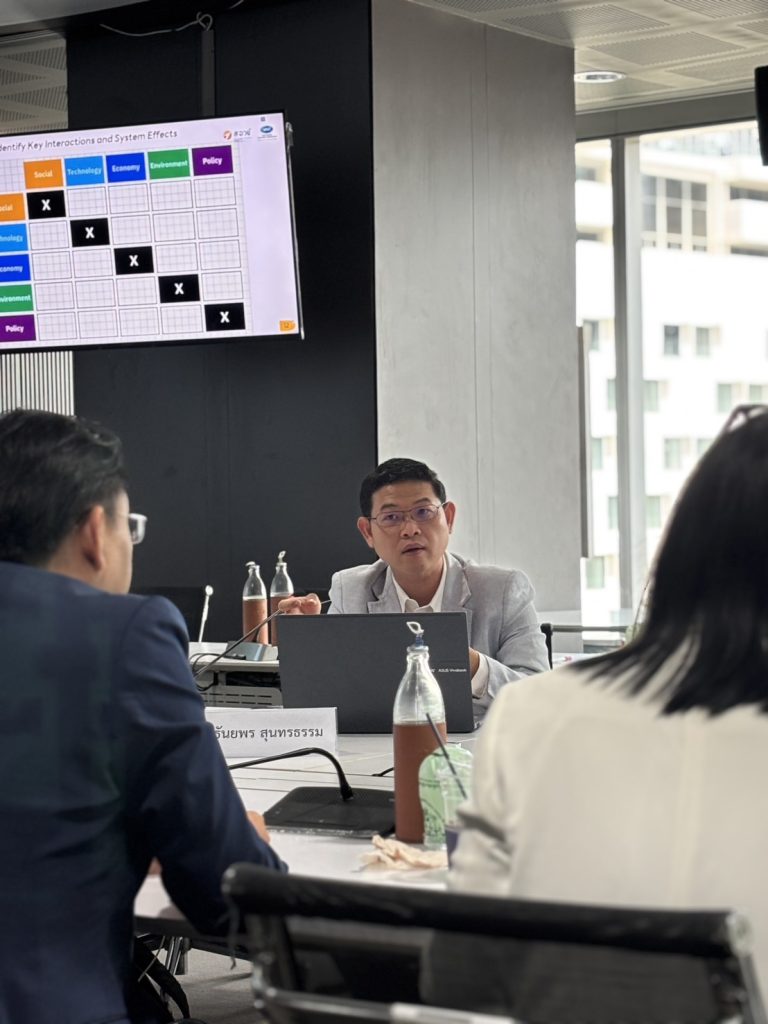
Experts from NXPO, APEC CTF, and the Thailand Foresight Alliance jointly developed and presented the preliminary analysis for each STEEP dimension:
- Social: Asst. Prof. Dr. Pobsook Chamchong, School of Public Policy, Chiang Mai University.
- Technology: Assoc. Prof. Dr. Nathasit Gerdsri, Mahidol University.
- Economy: Asst. Prof. Dr. Rakpong Wongsaroj, National Institute of Development Administration (NIDA).
- Environment: The NXPO and APEC CTF team.
- Policy: Asst. Prof. Dr. Thanyaporn Soontornthum, Thammasat Institute of Area Studies, Thammasat University.
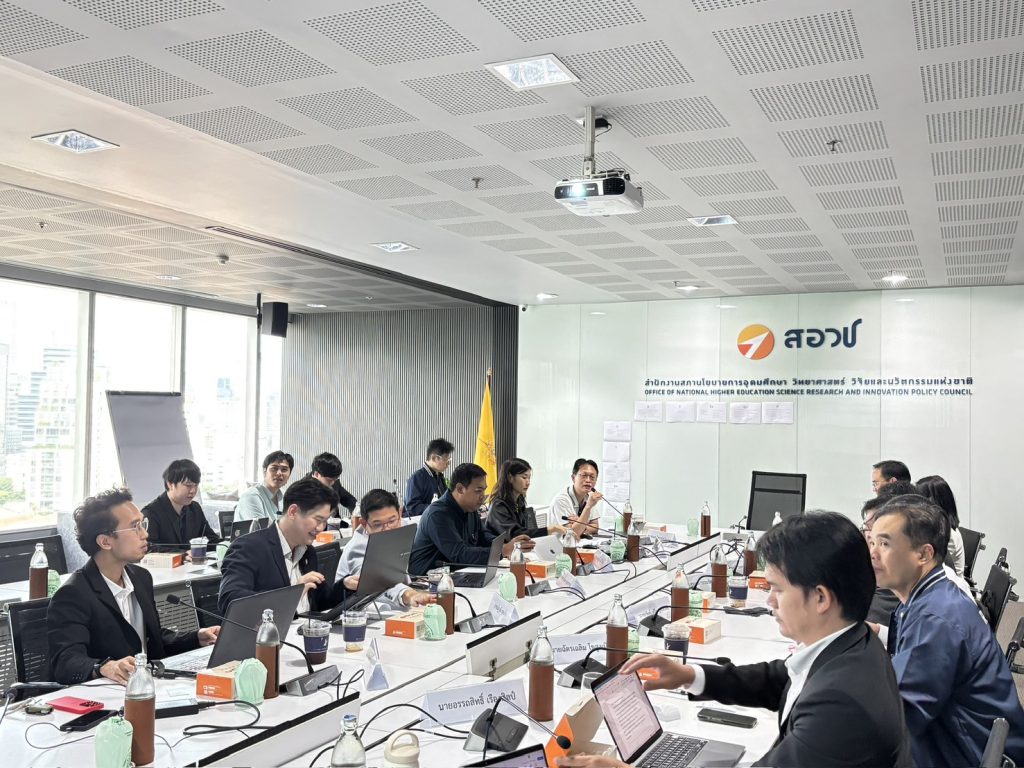
The experts presented preliminary findings covering Shortlisted Signals, Drivers, Key Uncertainties, and Cross-domain Links, enabling participants to consider the range of changes that could influence Thailand in the coming years. Participants then reviewed and refined the definitions of the drivers to improve their clarity, minimise overlap, and ensure their suitability for cross-domain analysis.
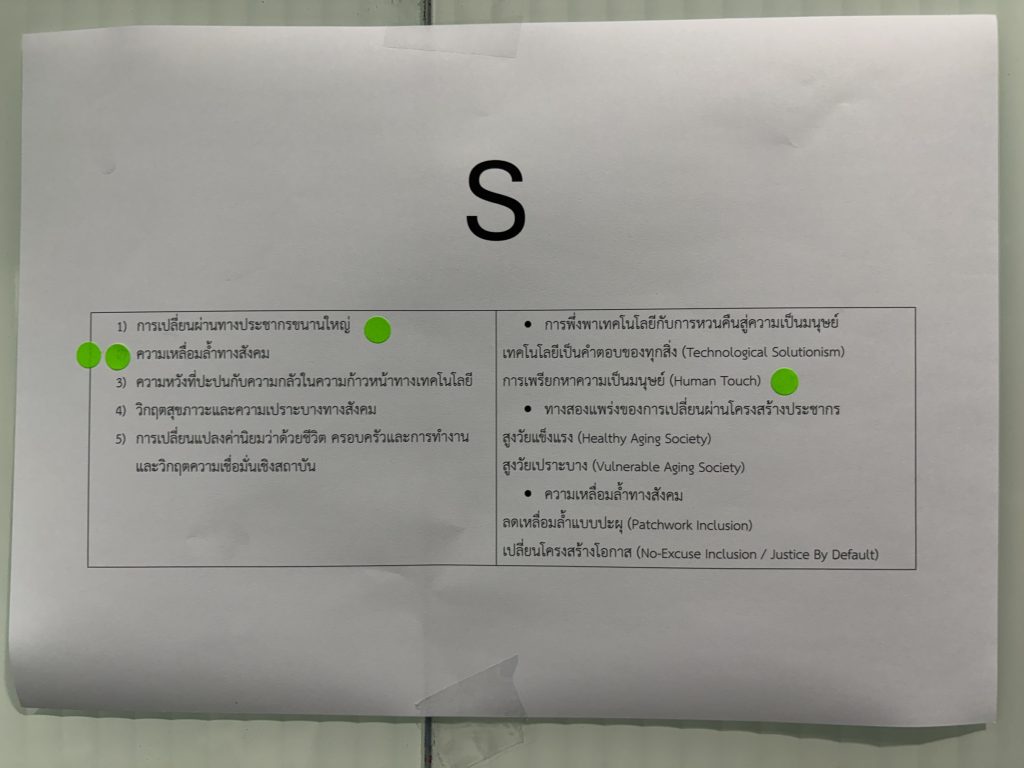
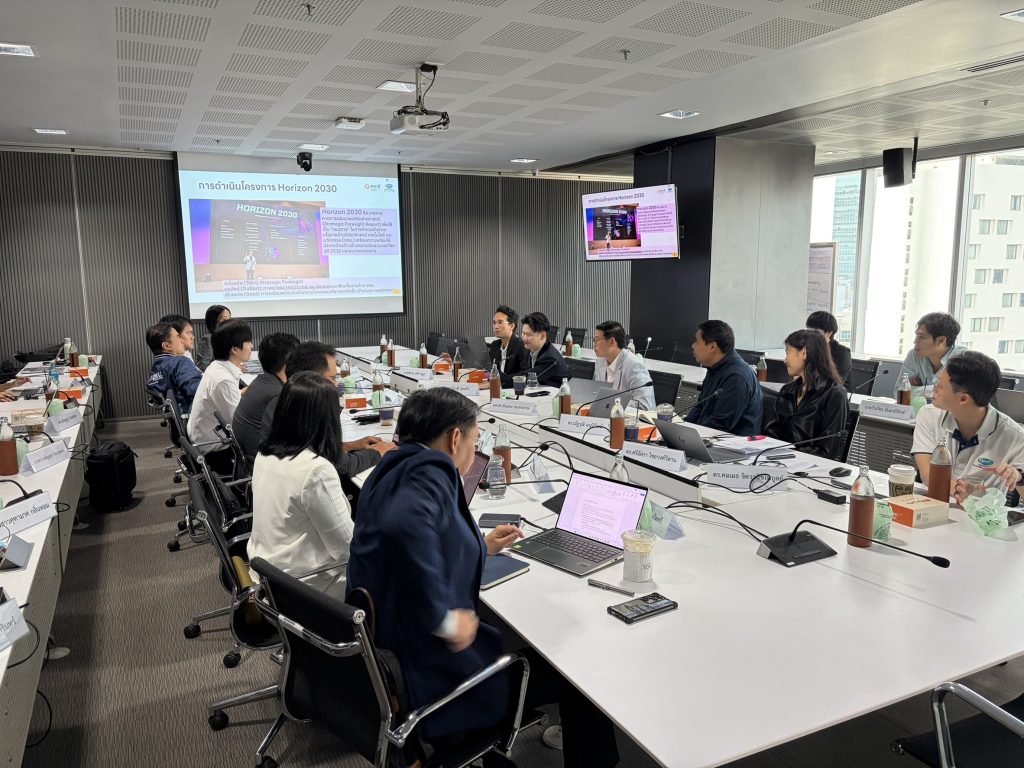
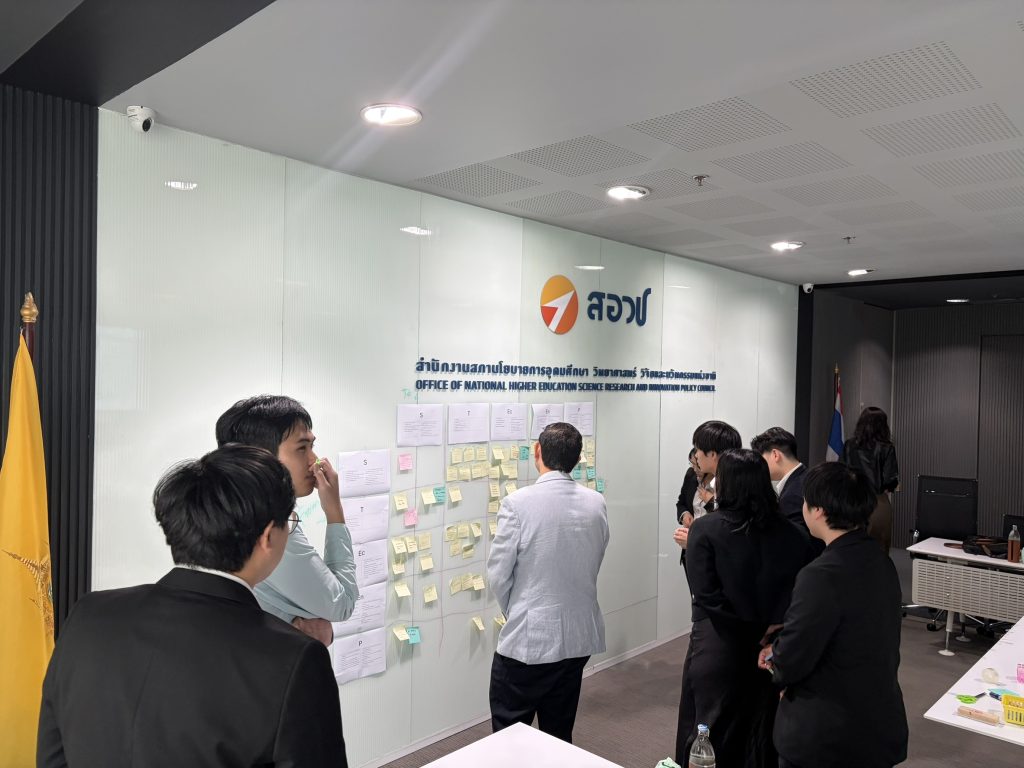
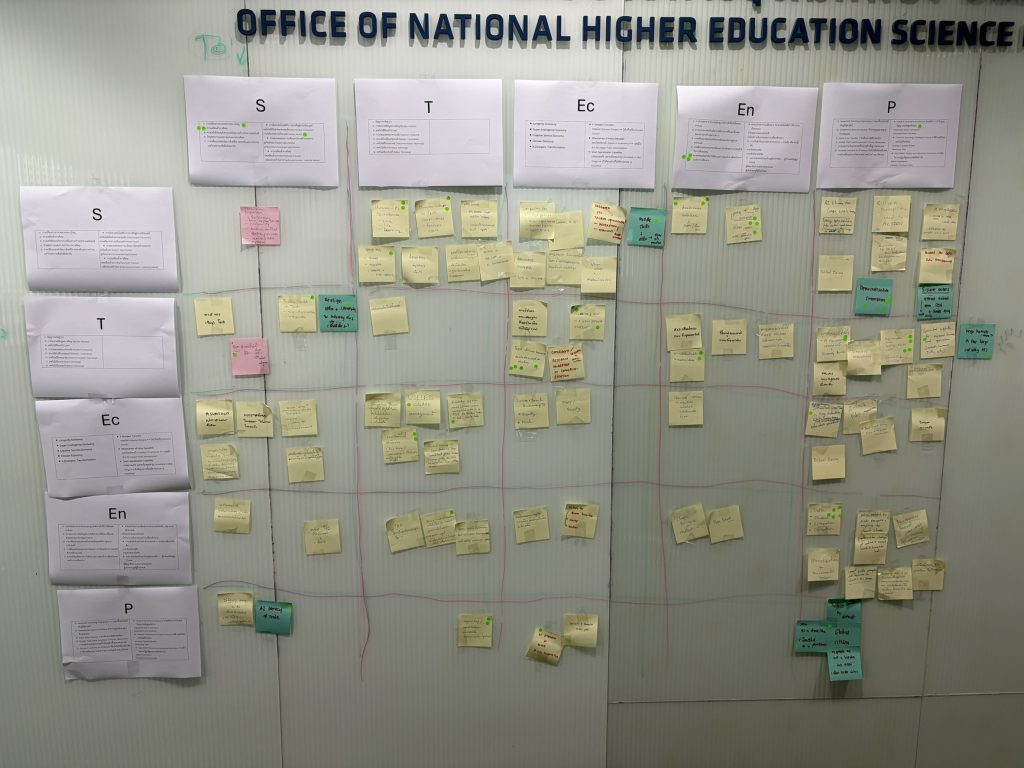
During the workshop, participants jointly developed a Cross-impact Matrix to assess how each driver could influence other drivers. The exercise considered positive and negative impacts, the strength of each relationship, reinforcing and balancing effects, and interactions that could create new uncertainties or wider systemic consequences. Participants subsequently identified the most significant interactions and examined which factors could act as major driving forces, which factors remained highly uncertain, and which could become critical turning points for Thailand. These findings will inform the development of scenario logics for the next stage of the Thailand Horizon 2030 process.
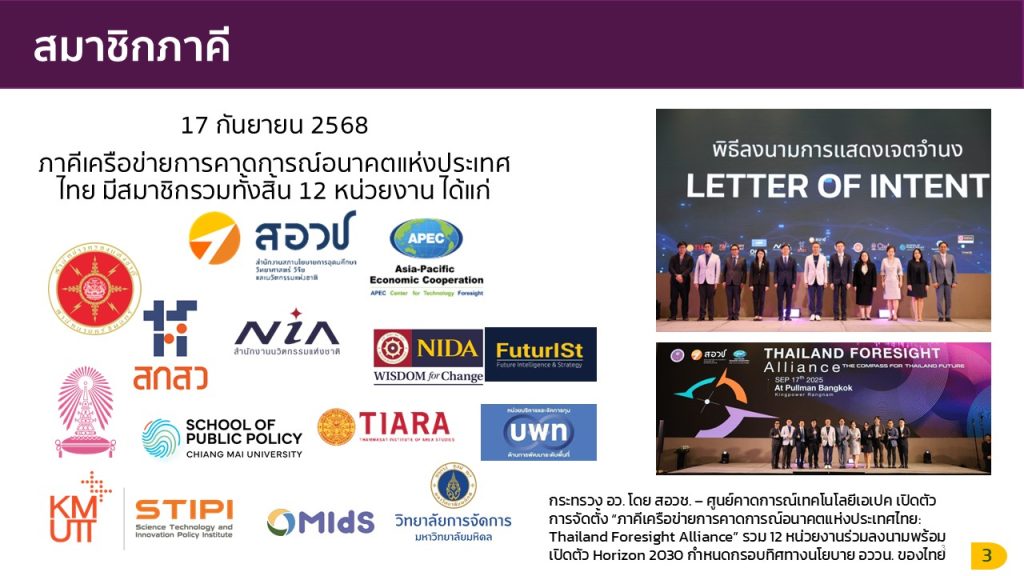
The activity also demonstrated the role of the Thailand Foresight Alliance in connecting knowledge and expertise across policy organisations and academic institutions. Through this collaboration, the Alliance supports a more systematic national foresight process and strengthens Thailand’s capacity to develop policies that respond effectively to future change, complexity, and uncertainty.

Share


 Back
Back