 Knowledge Sharing
APEC CTF APPLIES STRATEGIC FORESIGHT TO ADVANCE SUSTAINABLE FOOD AND HIGH-MOISTURE WASTE MANAGEMENT
Knowledge Sharing
APEC CTF APPLIES STRATEGIC FORESIGHT TO ADVANCE SUSTAINABLE FOOD AND HIGH-MOISTURE WASTE MANAGEMENT
APEC CTF APPLIES STRATEGIC FORESIGHT TO ADVANCE SUSTAINABLE FOOD AND HIGH-MOISTURE WASTE MANAGEMENT

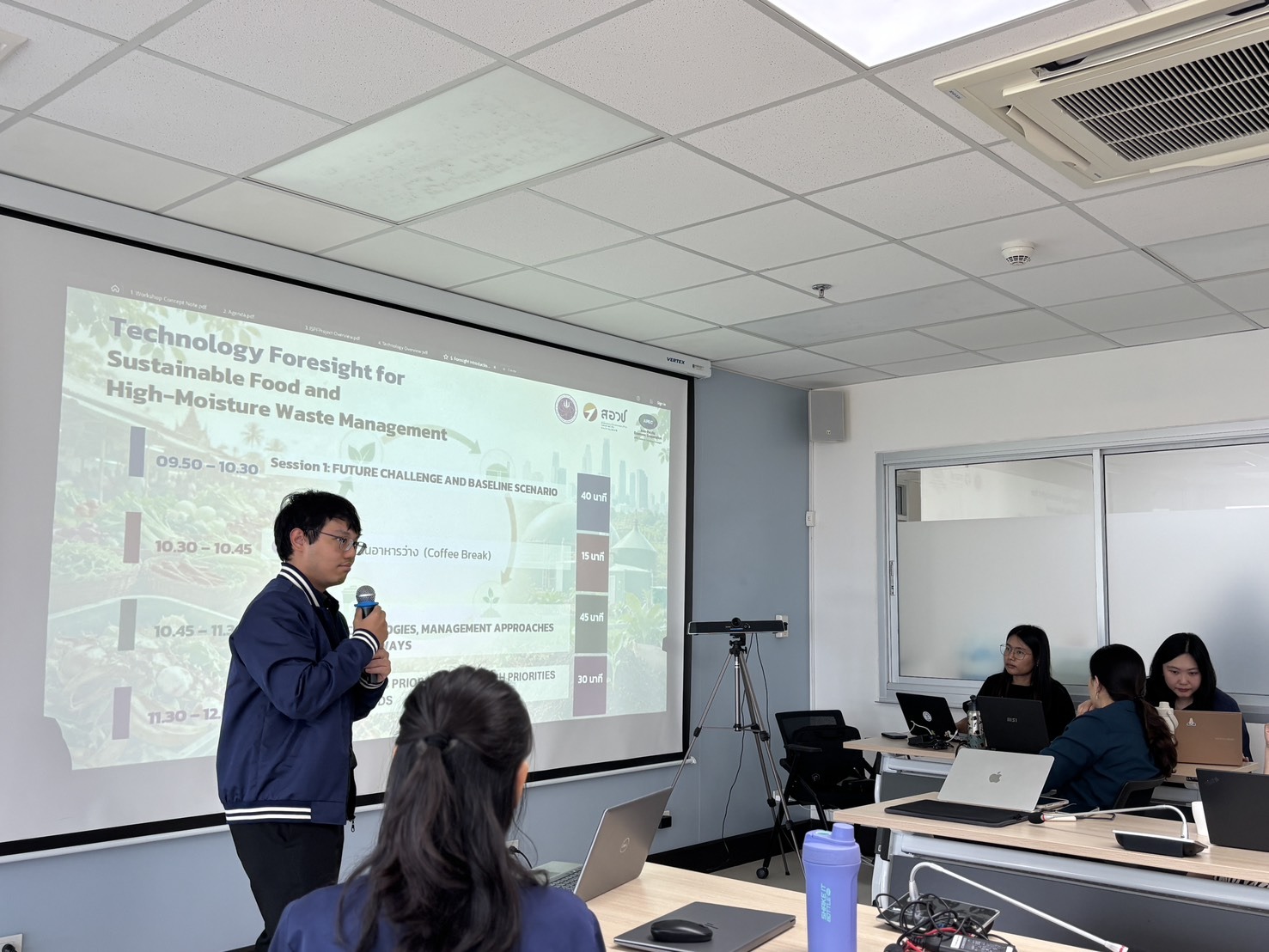
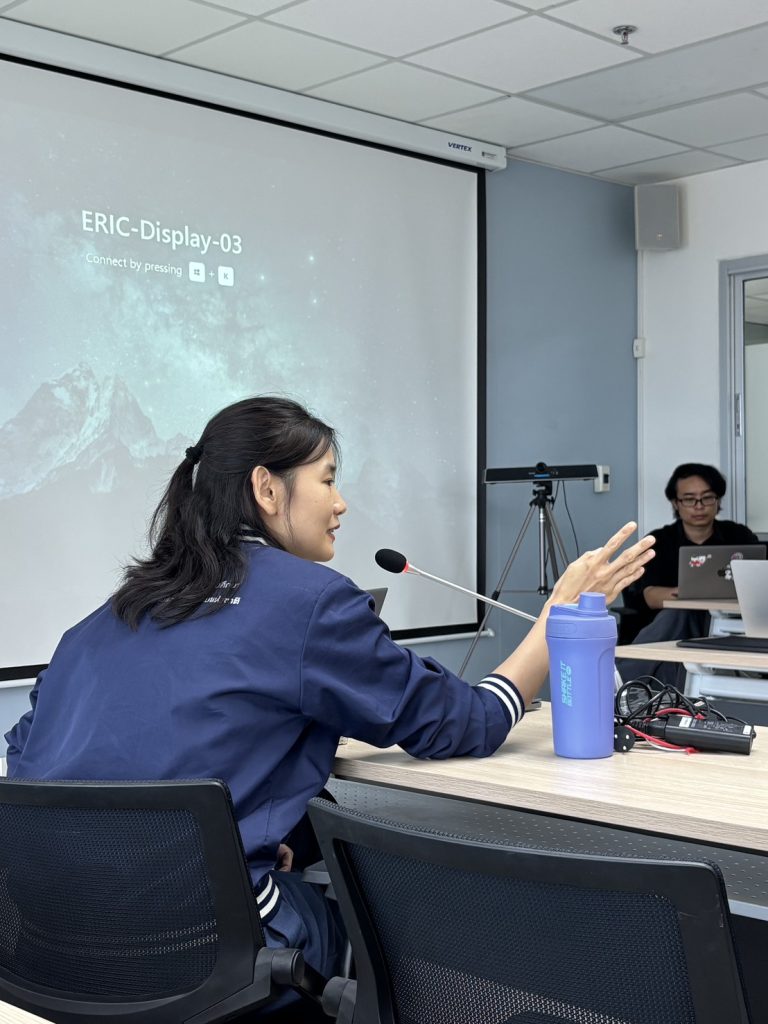
The APEC Center for Technology Foresight (APEC CTF)- the Office of National Higher Education Science Research and Innovation Policy Council (NXPO), contributed its strategic foresight expertise to the “Expert Consultation and Foresight Workshop on Future Pathways for Sustainable Food and High-Moisture Waste Management in Thailand and Southeast Asia,” held on 8 July 2026 at Chulalongkorn University in Bangkok.
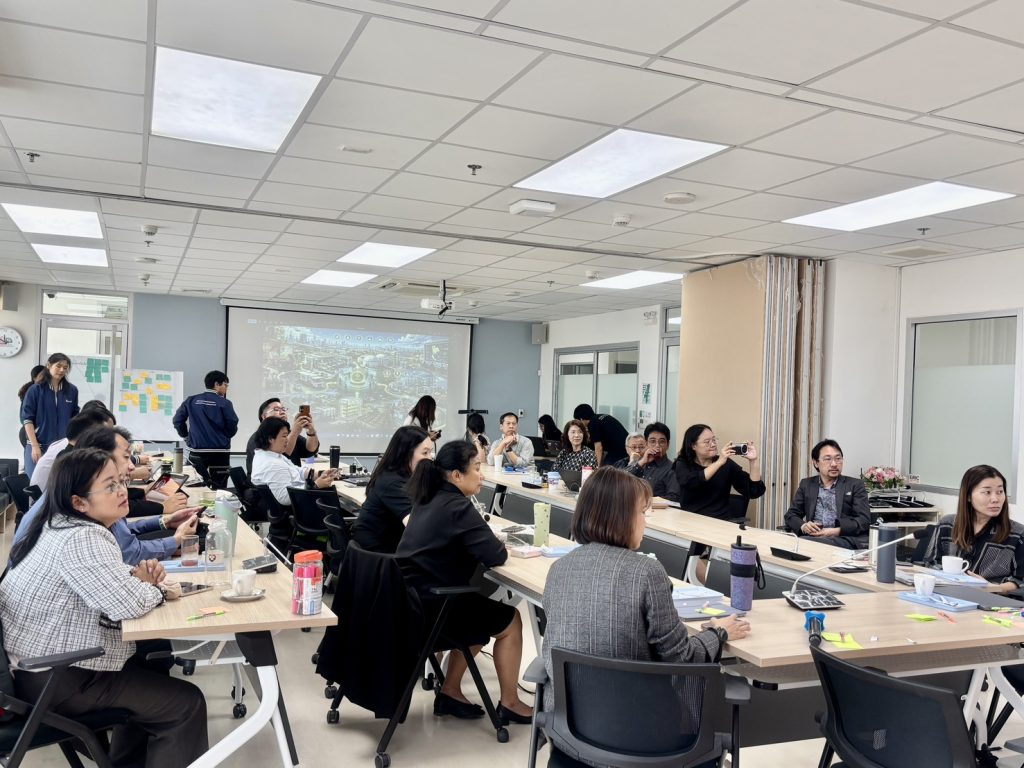
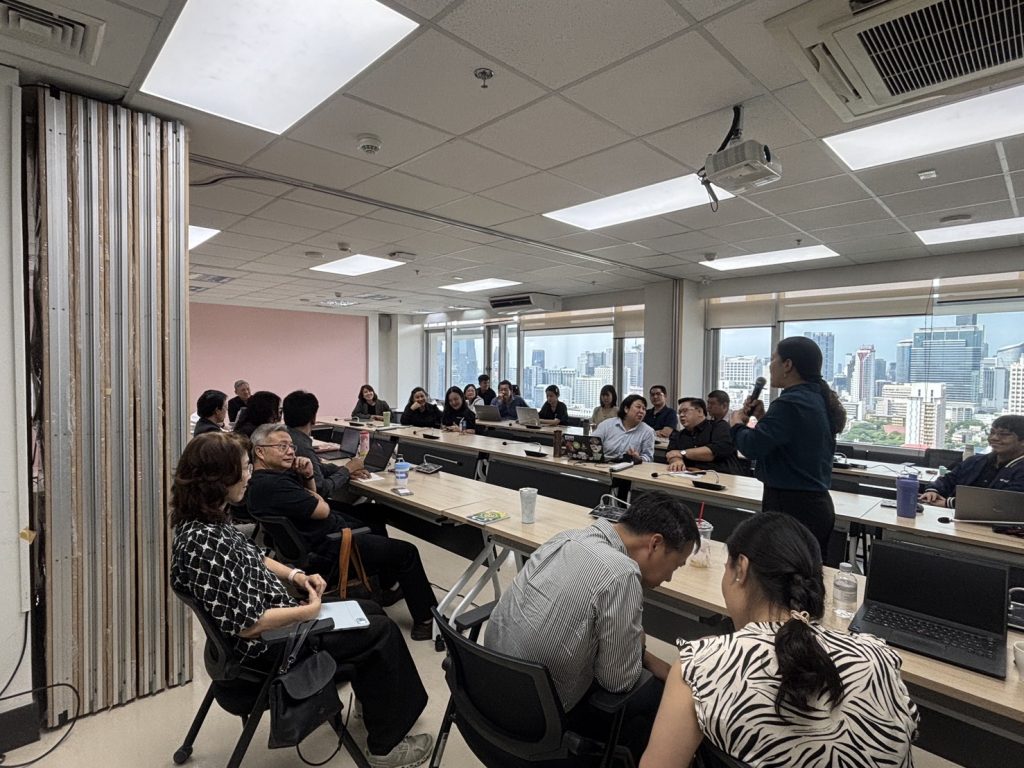
The workshop was organised by the Joint Graduate School of Energy and Environment (JGSEE), King Mongkut’s University of Technology Thonburi (KMUTT), in collaboration with Newcastle University. It was supported by the British Council through the International Science Partnerships Fund (ISPF) Research Collaborations Programme under the research project “Technology Assessment and Capacity Building for High-Moisture Waste Management in Thailand and Southeast Asia.”
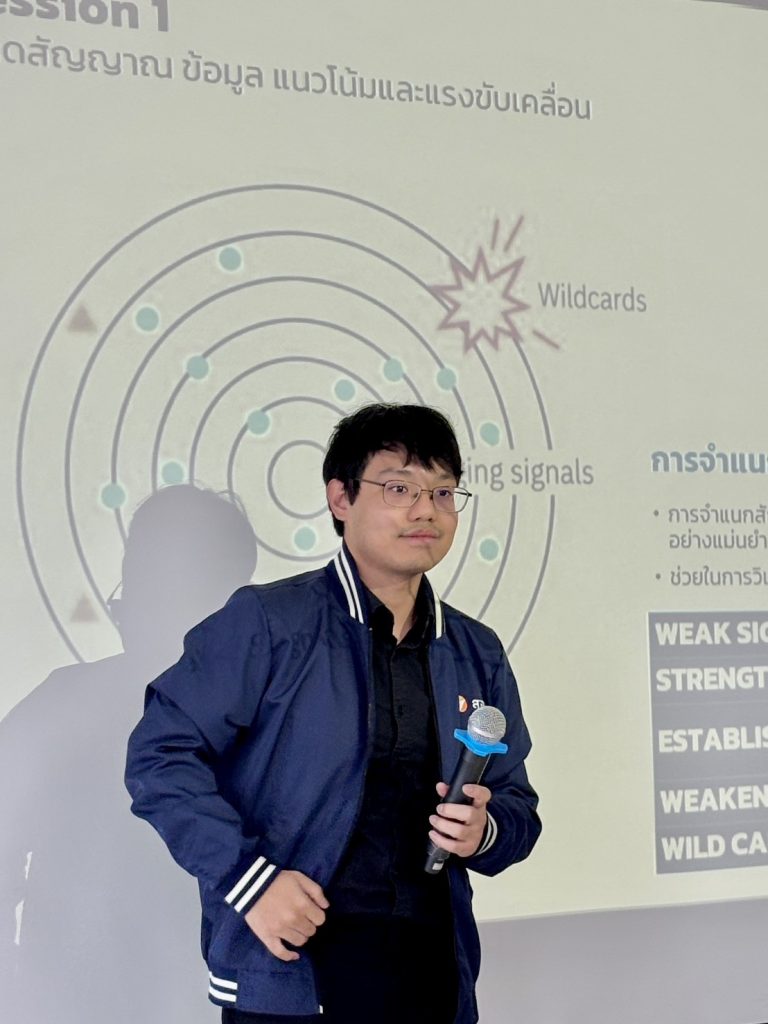
Representing APEC CTF, Mr. Chatkaphat Bunnag, Policy Developer, served as the lead speaker and foresight facilitator. He introduced participants to strategic foresight concepts and guided them through the application of the Futures Triangle framework, which examines three forces shaping the future: the Pull of the Future, the Push of the Present, and the Weight of History.
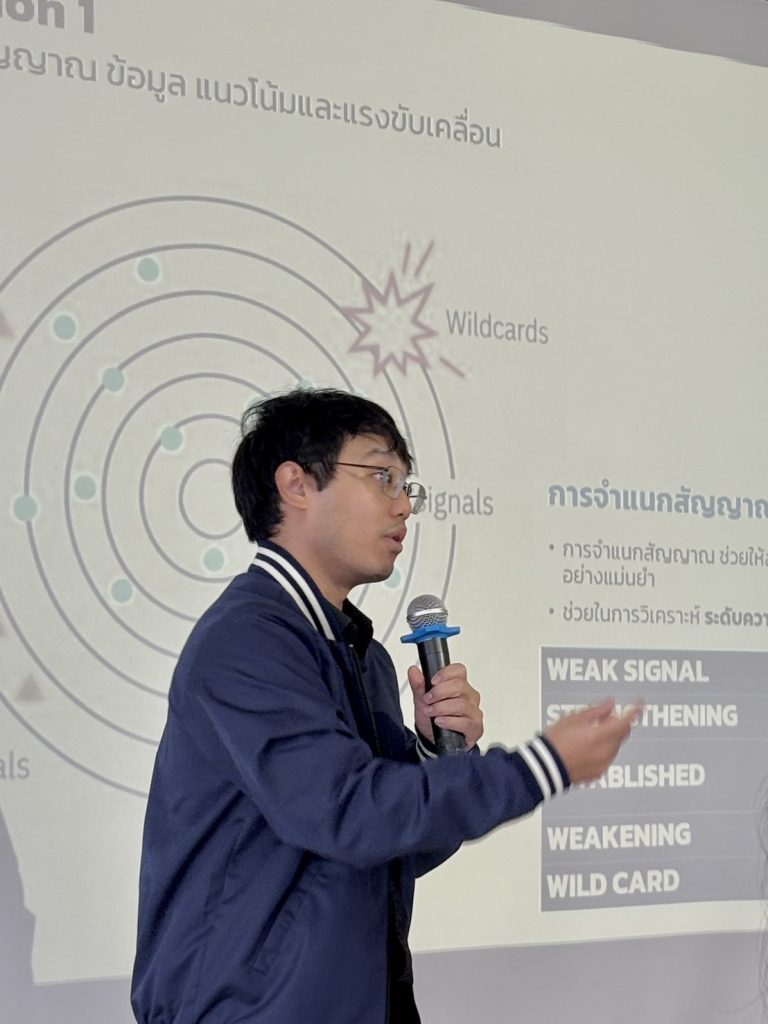
The framework was applied to analyse Thailand’s food and high-moisture waste management system, including its future aspirations, current drivers, and structural constraints. Participants also assessed and prioritised future needs across four dimensions: technology development, research, human capacity, and policy and regulation. Through the foresight process, participants jointly explored a preferred future for Thailand’s food and high-moisture waste management system by 2040 and identified potential pathways for achieving a more sustainable, effective, and technology-enabled system.
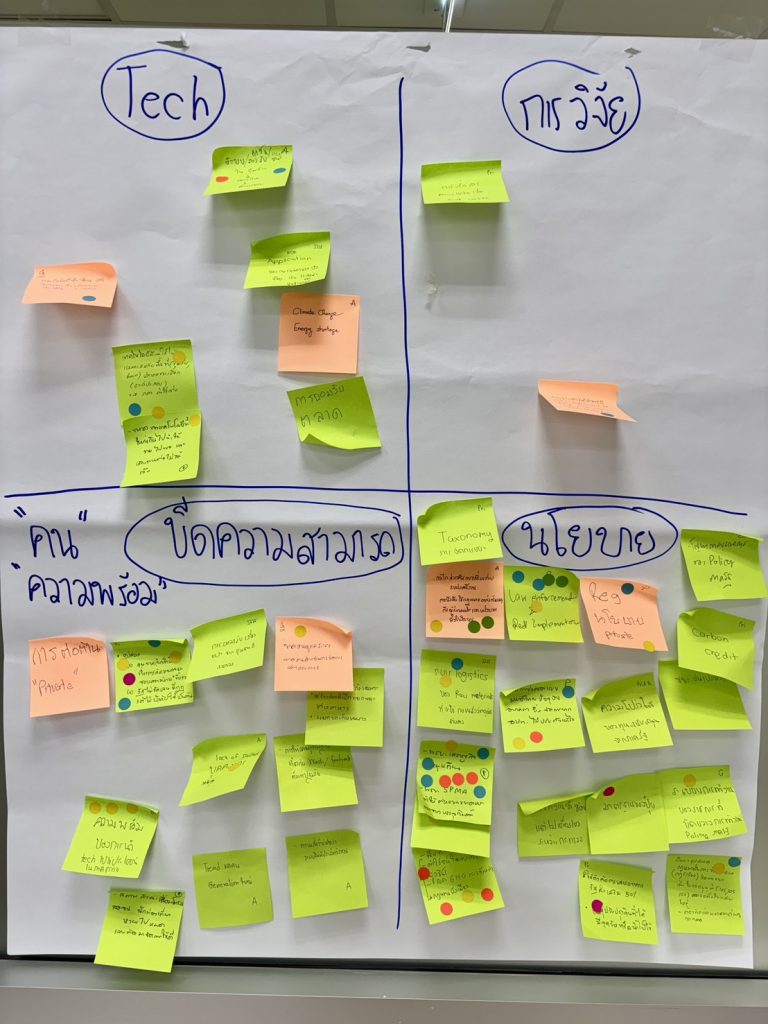
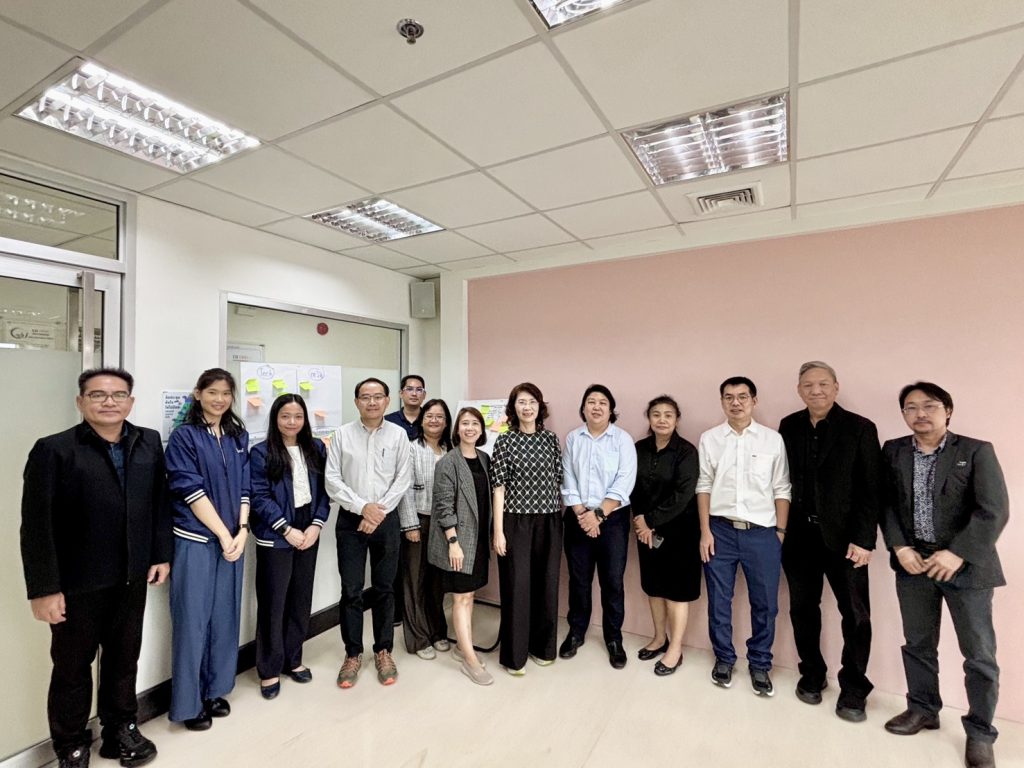
The workshop findings will be consolidated into a Workshop Summary Report to support the selection and assessment of high-moisture waste management technologies in Thailand. The results are also expected to contribute to future policy recommendations and regional cooperation on food and high-moisture waste management across Southeast Asia.
Share


 Back
Back