 Knowledge Sharing
APEC CTF HIGHLIGHTS STRATEGIC FORESIGHT FOR NATIONAL SECURITY AND EMERGING TECHNOLOGIES
APEC CTF HIGHLIGHTS STRATEGIC FORESIGHT FOR NATIONAL SECURITY AND EMERGING TECHNOLOGIES

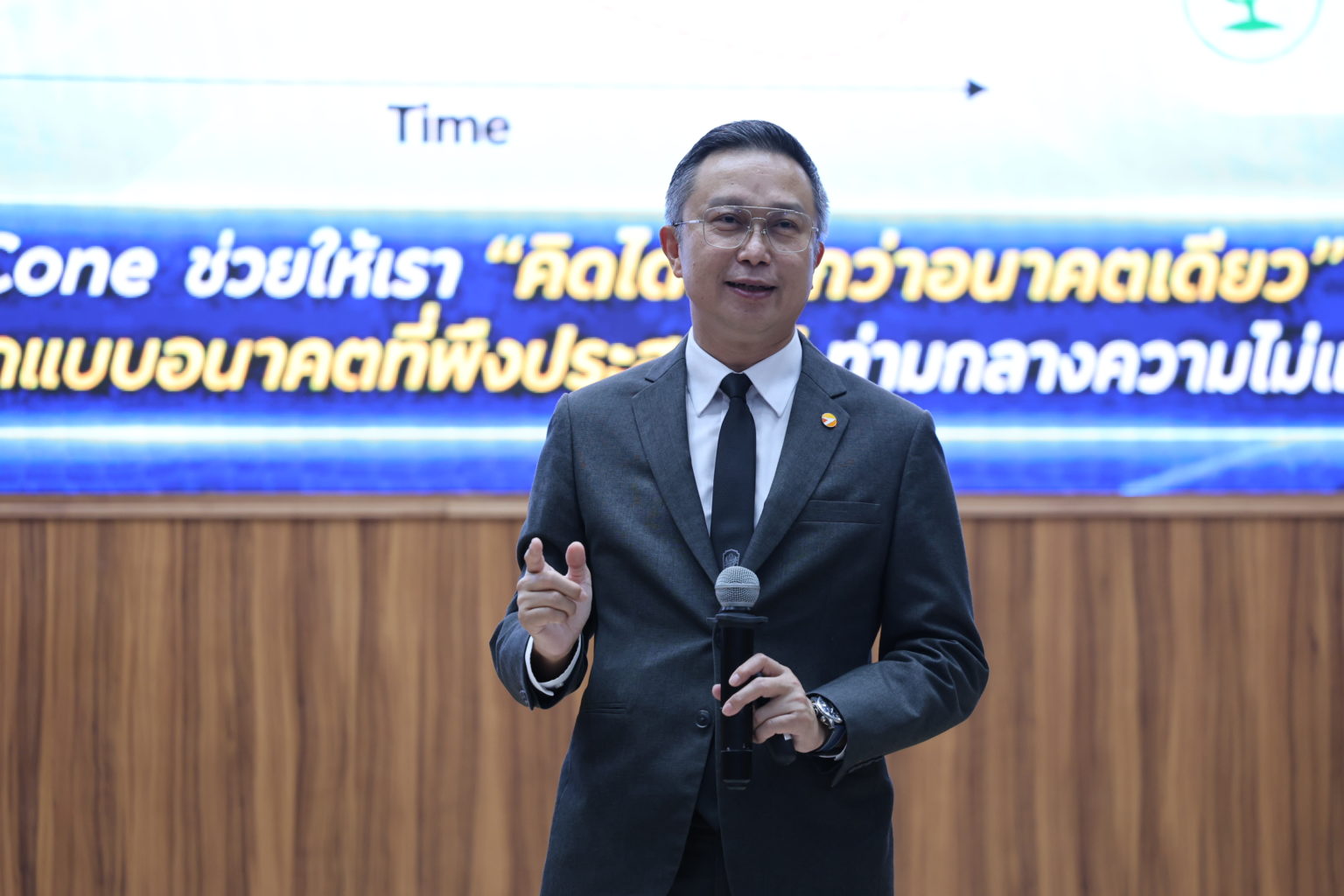
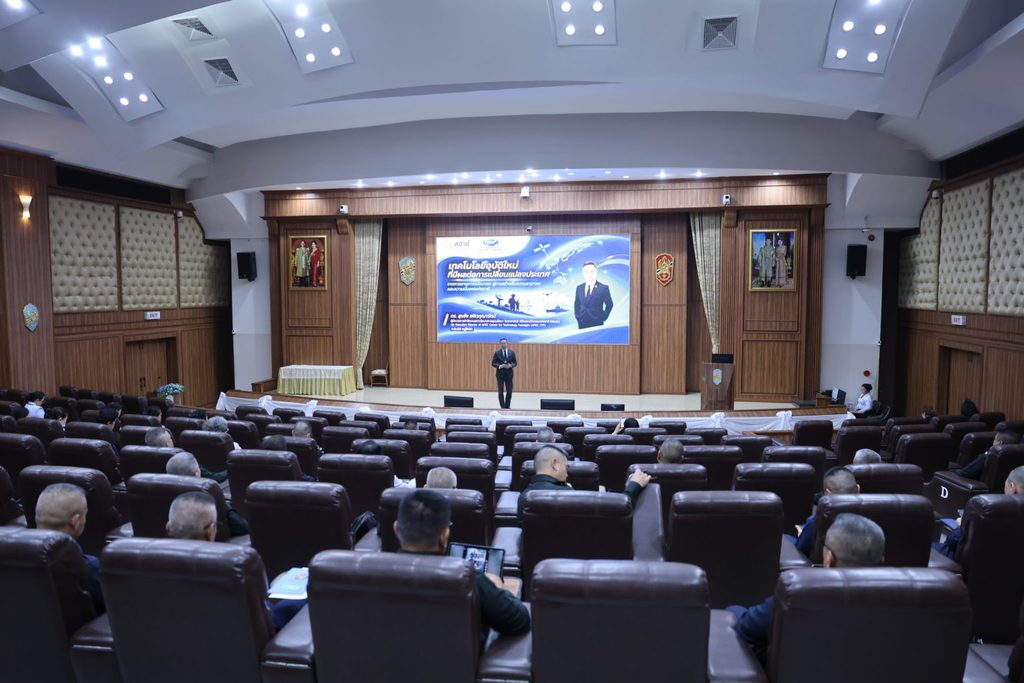
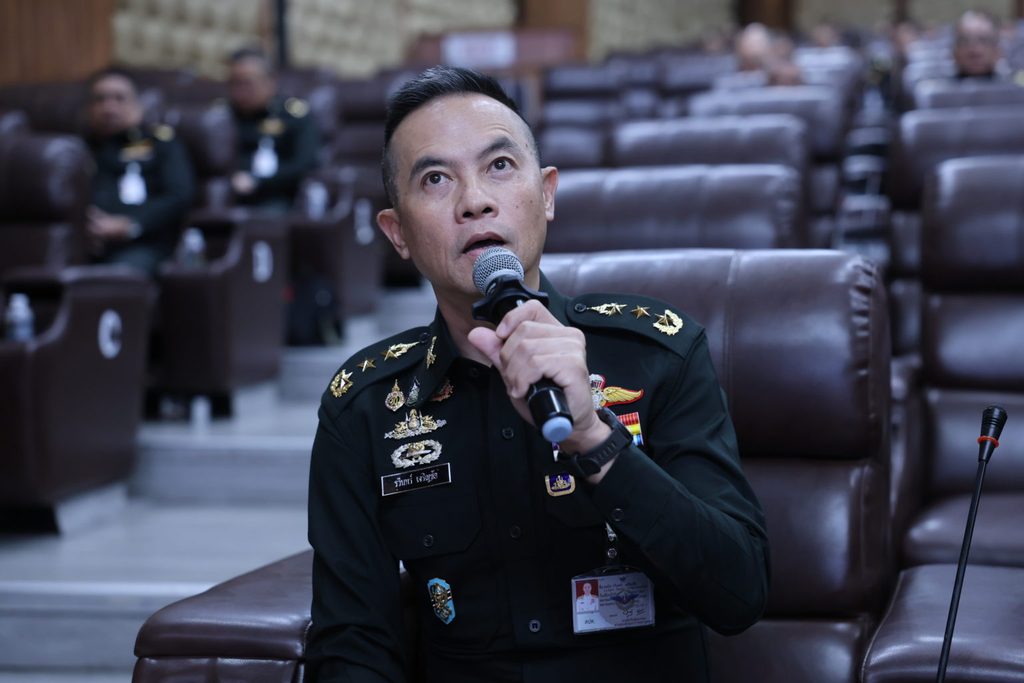
On 11 November 2026, Dr. Surachai Sathitkunarat, President of the Office of National Higher Education Science Research and Innovation Policy Council (NXPO) and Executive Director of the APEC Center for Technology Foresight (APEC CTF), delivered a keynote lecture on “Emerging Technologies Shaping National Transformation” at the opening of the 51st General and Flag Officer Orientation Program, organized by Thailand’s National Defence Studies Institute.
Dr. Surachai highlighted the growing importance of Strategic Foresight in an era of polycrisis, where geopolitical tensions, economic volatility, climate risks, demographic change, technological disruption, biosecurity concerns, and cyber threats increasingly interact and reinforce one another. He introduced three core foresight processes—Horizon Scanning, Scenario Planning, and Strategic Direction—as tools to help decision-makers explore multiple possible futures, identify emerging risks and opportunities, and develop more adaptive strategies under uncertainty.
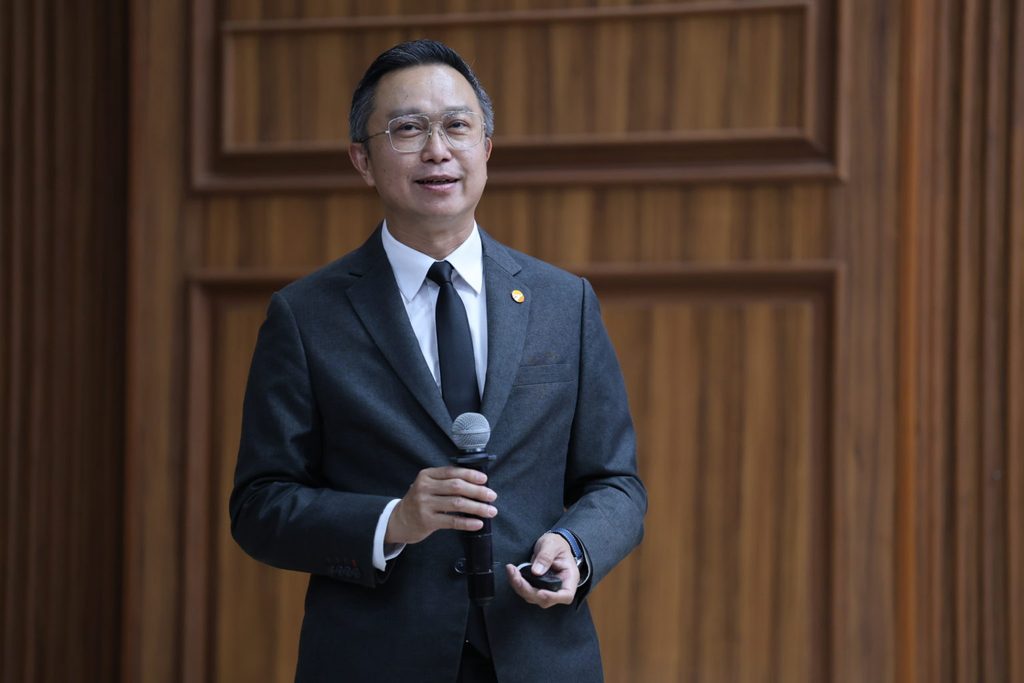
The session also introduced key foresight approaches, including the Futures Cone, STEEP-V, DIMEFIL, 2×2 Scenario Matrix, Mont Fleur Scenarios, and Futures Triangle, demonstrating how these tools can support strategic planning in complex and rapidly changing environments.
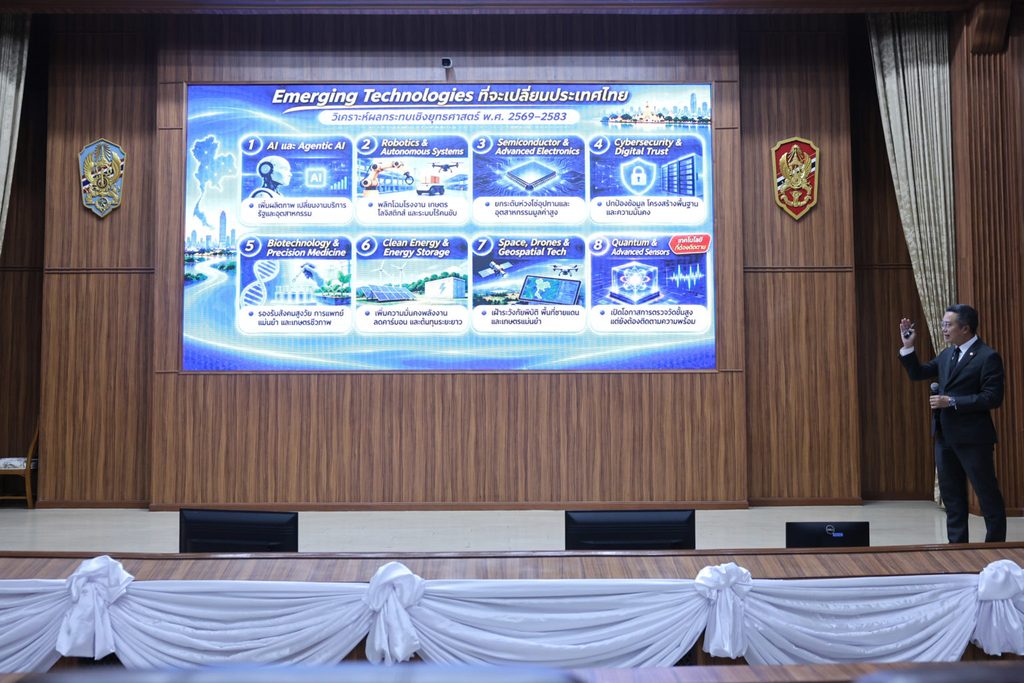
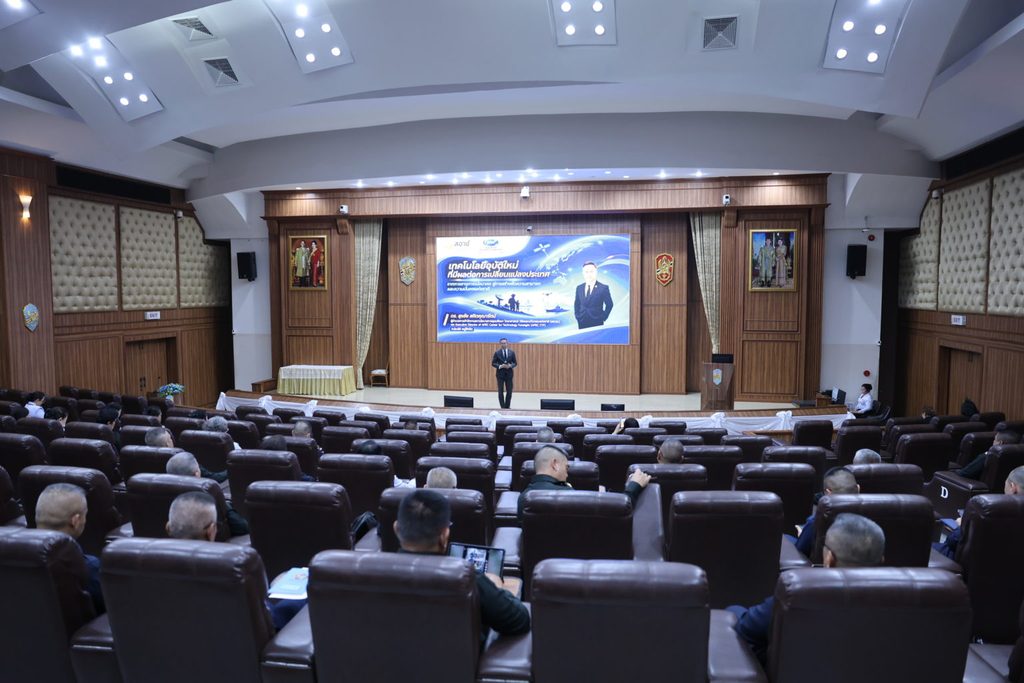
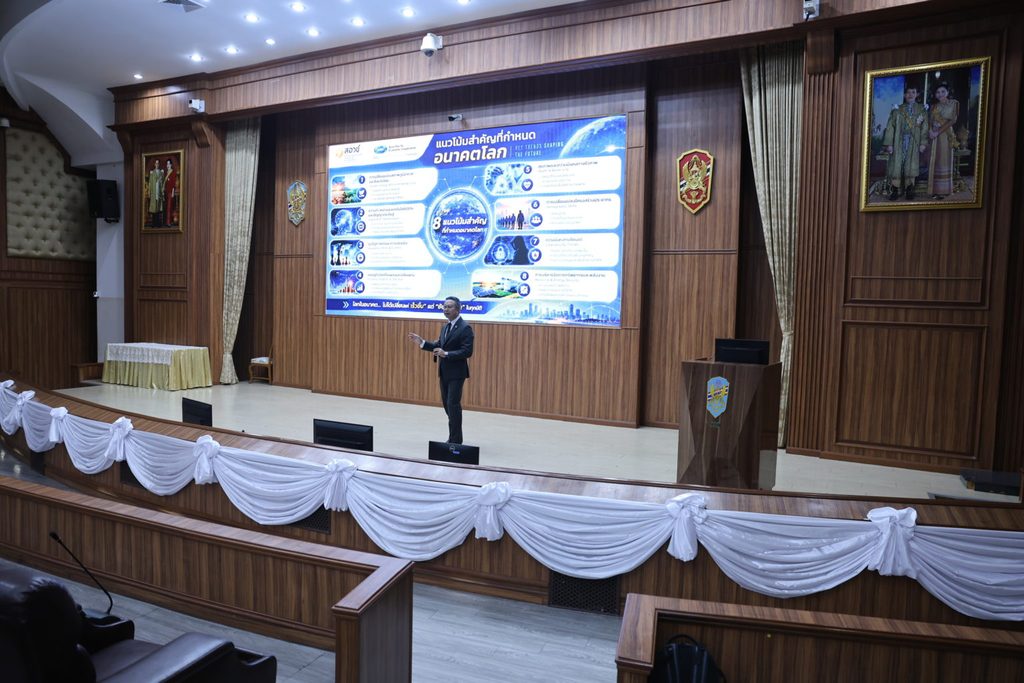
Dr. Surachai further presented eight emerging technology domains expected to have significant implications for Thailand between 2026 and 2040: AI and Agentic AI; Robotics and Autonomous Systems; Semiconductors and Advanced Electronics; Cybersecurity and Digital Trust; Biotechnology and Precision Medicine; Clean Energy and Energy Storage; Space, Drones and Geospatial Technologies; and Quantum Technologies and Advanced Sensors.
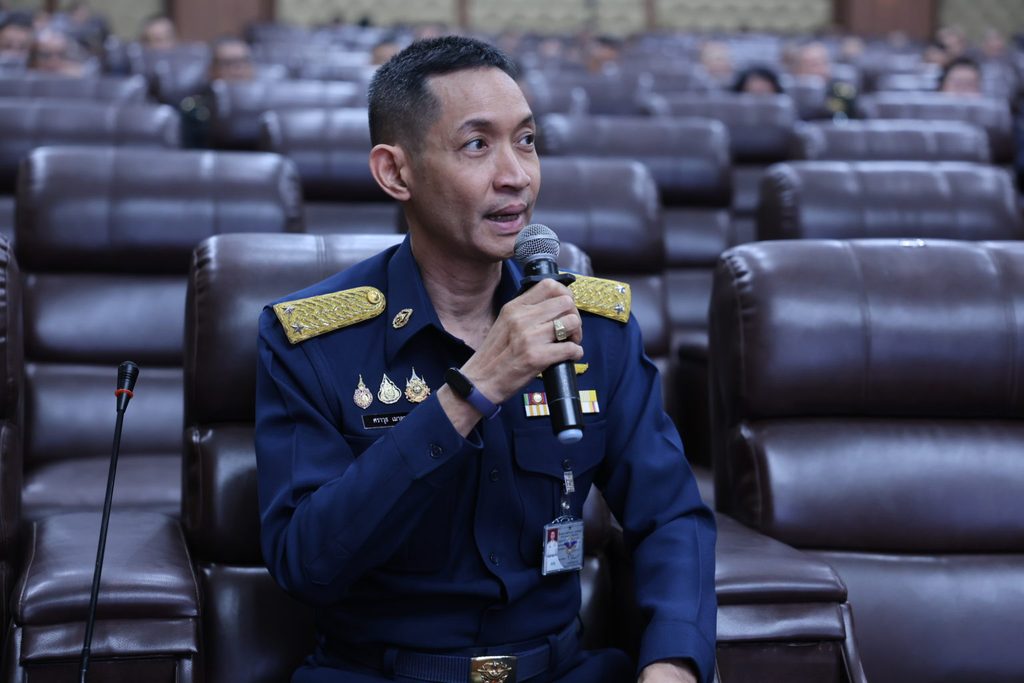
Concluding the session, Dr. Surachai emphasized that future national security will depend not only on military capability, but also on strength in science, technology, human capital, and innovation ecosystems.
Share


 Back