 Meetings
NXPO-APEC CTF UNVEILS BARRIER ANALYSIS OF 16 CLIMATE TECHNOLOGIES AND ENDORSES PRIORITIES FOR TECHNOLOGY ACTION PLANS
NXPO-APEC CTF UNVEILS BARRIER ANALYSIS OF 16 CLIMATE TECHNOLOGIES AND ENDORSES PRIORITIES FOR TECHNOLOGY ACTION PLANS

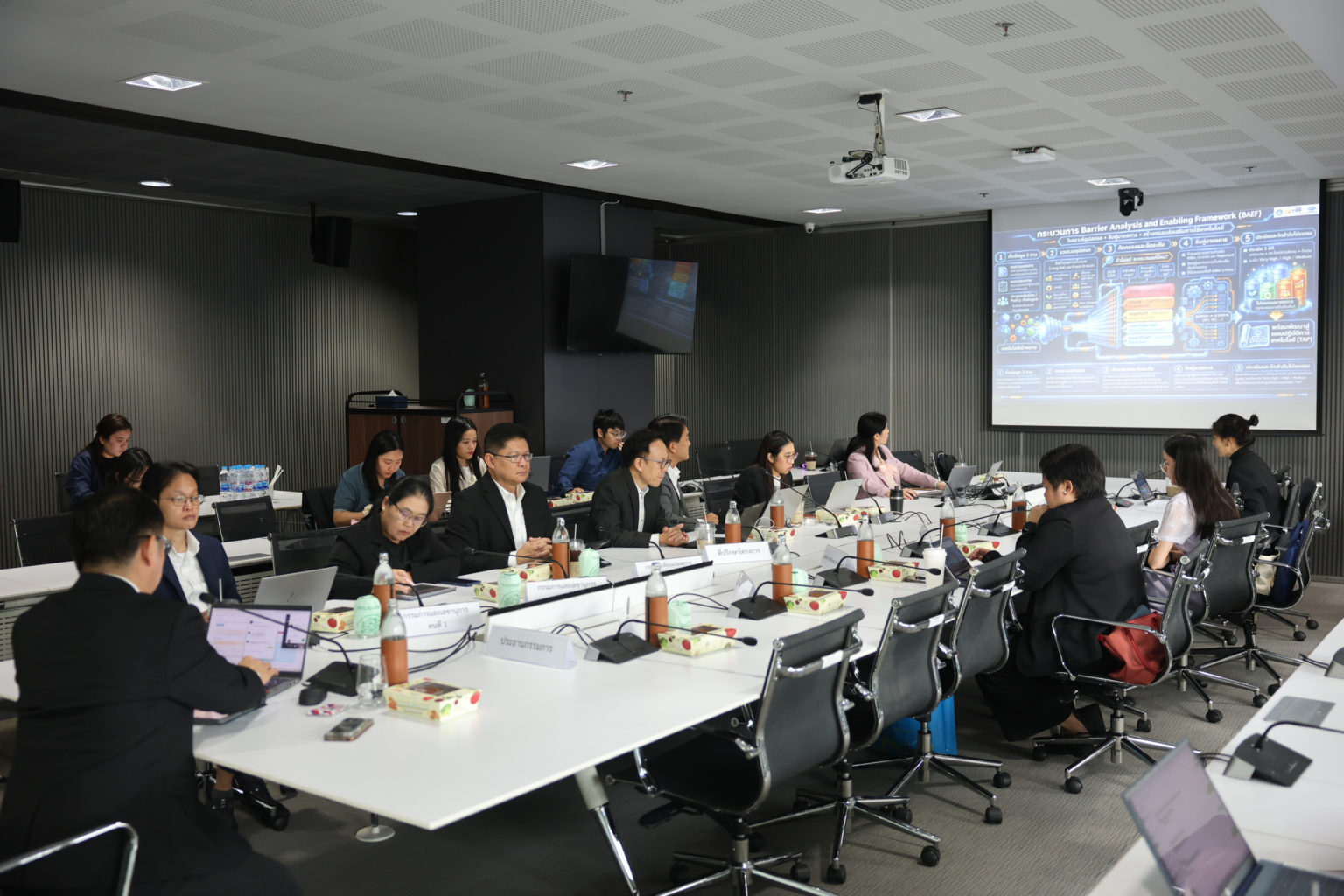
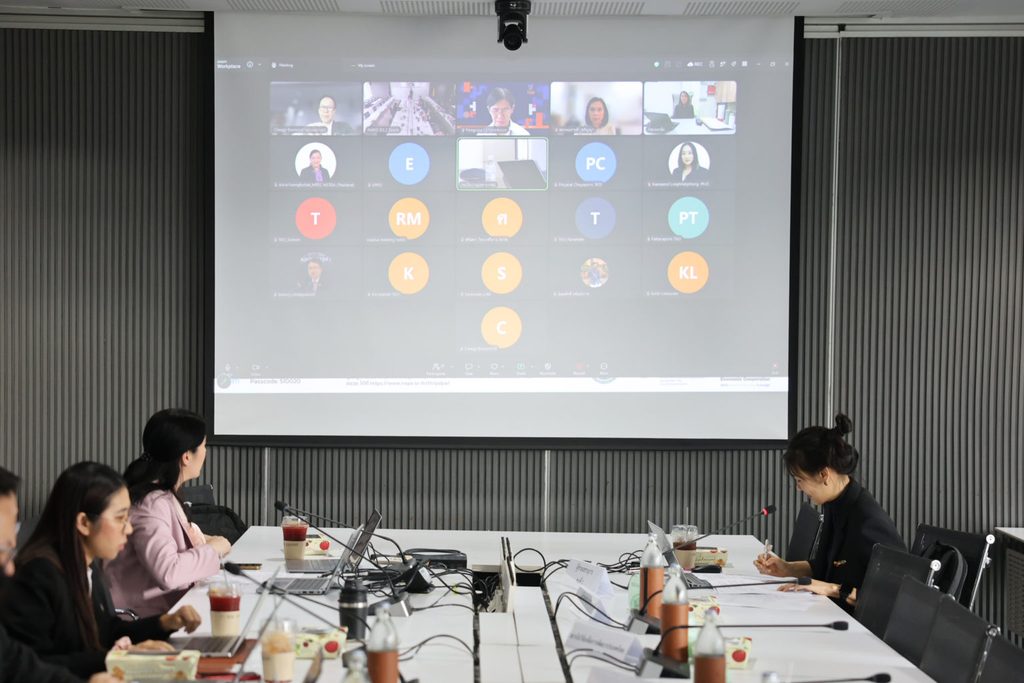
On 18 November 2026, the Office of National Higher Education Science Research and Innovation Policy Council (NXPO) – APEC Center for Technology Foresight (APEC CTF), in collaboration with the Department of Climate Change and Environment (DCCE), convened the Third Steering Committee Meeting of Thailand’s Second Technology Needs Assessment (TNA) at NXPO, Bangkok.
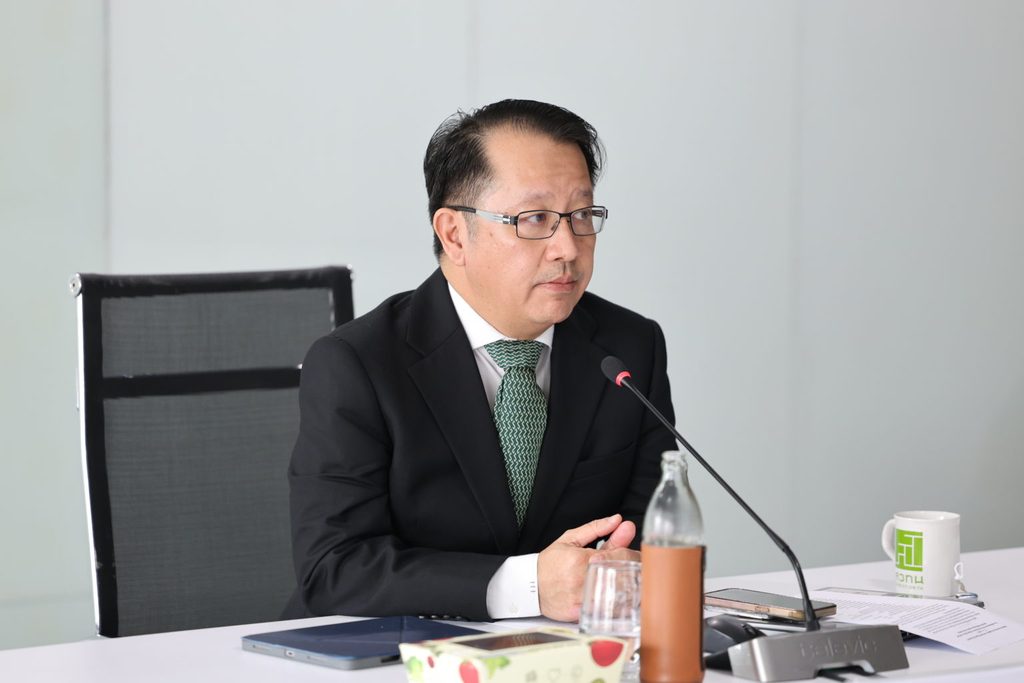
Assoc. Prof. Dr. Wongkot Wongsapai, Vice President of NXPO and Vice Chair of the Steering Committee, highlighted Thailand’s TNA implementation, which was presented as a success case at COP31 in Antalya, Türkiye. He emphasised the collaboration between DCCE as the National Designated Authority (NDA) and NXPO as the National Designated Entity (NDE) in connecting climate technology priorities with implementation and international climate finance. He also highlighted the application of Green Climate Fund (GCF) investment criteria to support the development of future project proposals.
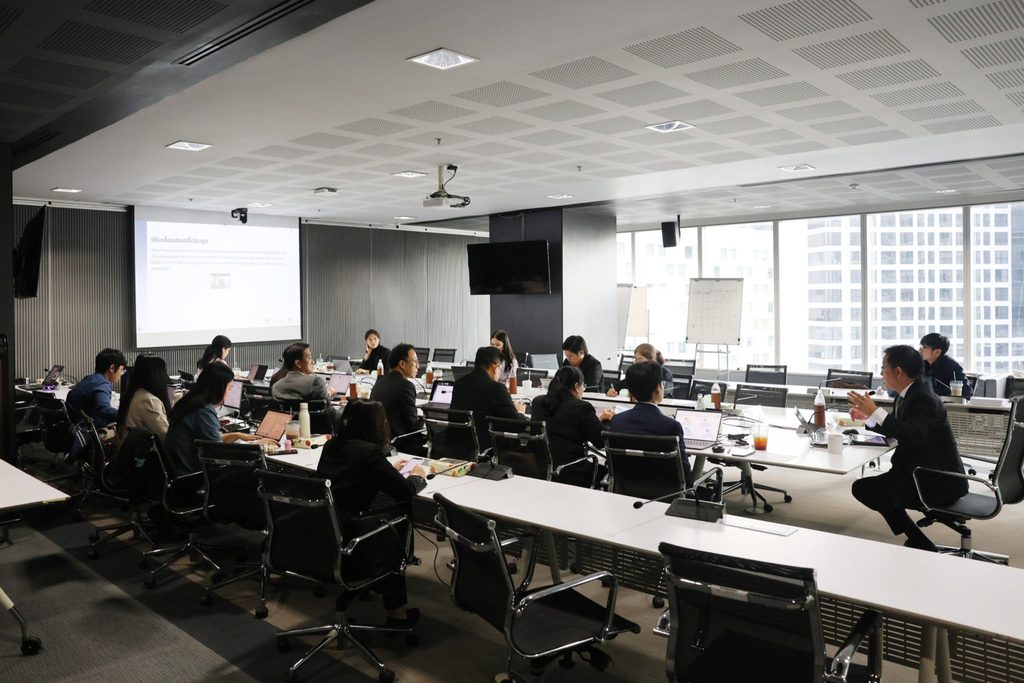
Dr. Srichattra Chaivongvilan, Strategist 2 at NXPO-APEC CTF, presented the progress of Thailand’s Second TNA, conducted in accordance with the UNEP Copenhagen Climate Centre (UNEP-CCC) methodology. Following the completion of technology prioritisation, a series of policy dialogues was organised from 27 October to 2 November 2026, engaging more than 200 stakeholders to identify barriers and enabling conditions for climate technology deployment.

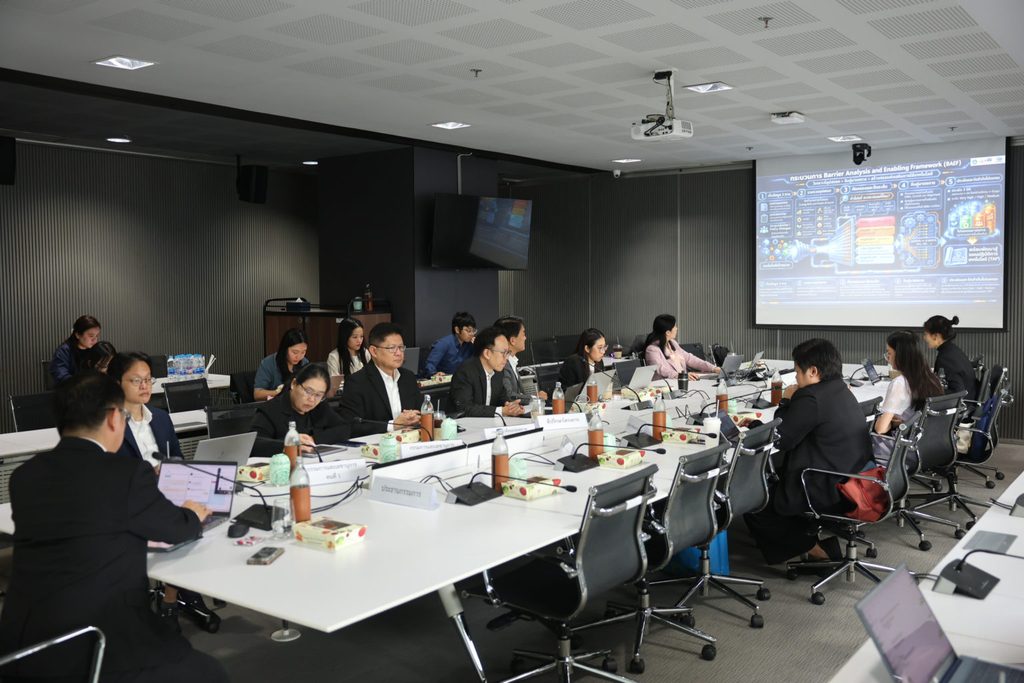
The Barrier Analysis and Enabling Framework (BAEF) assessment of 16 prioritised climate technologies identified 268 barriers, including 51 critical barriers, and proposed 278 measures grouped into 87 programmes. The findings highlighted the importance of regulatory frameworks, financial mechanisms, institutional coordination and locally relevant evidence in accelerating technology deployment.
The Steering Committee endorsed the BAEF findings and selected four technologies for the development of Technology Action Plans (TAPs):
- Energy: Small Modular Reactor (SMR)
- Agriculture: Gene-edited Rice
- Water Resources Management: Managed Aquifer Recharge (MAR)
- Human Settlements and Human Security: Thailand Climate Integrated Model (ThaiCIM)
The selection focuses on strengthening national technological capabilities and enabling conditions, rather than authorising immediate investment or guaranteeing international funding. The remaining 12 technologies retain their priority status under Thailand’s TNA.
Share


 Back