
 News Release and Events
APEC CTF AND APEC-ACABT ORGANIZE APEC YOUNG FUTURISTS 2026 TO EQUIP YOUNG RESEARCHERS WITH FORESIGHT SKILLS FOR FUTURE FOOD SOLUTIONS
News Release and Events
APEC CTF AND APEC-ACABT ORGANIZE APEC YOUNG FUTURISTS 2026 TO EQUIP YOUNG RESEARCHERS WITH FORESIGHT SKILLS FOR FUTURE FOOD SOLUTIONS
APEC CTF AND APEC-ACABT ORGANIZE APEC YOUNG FUTURISTS 2026 TO EQUIP YOUNG RESEARCHERS WITH FORESIGHT SKILLS FOR FUTURE FOOD SOLUTIONS

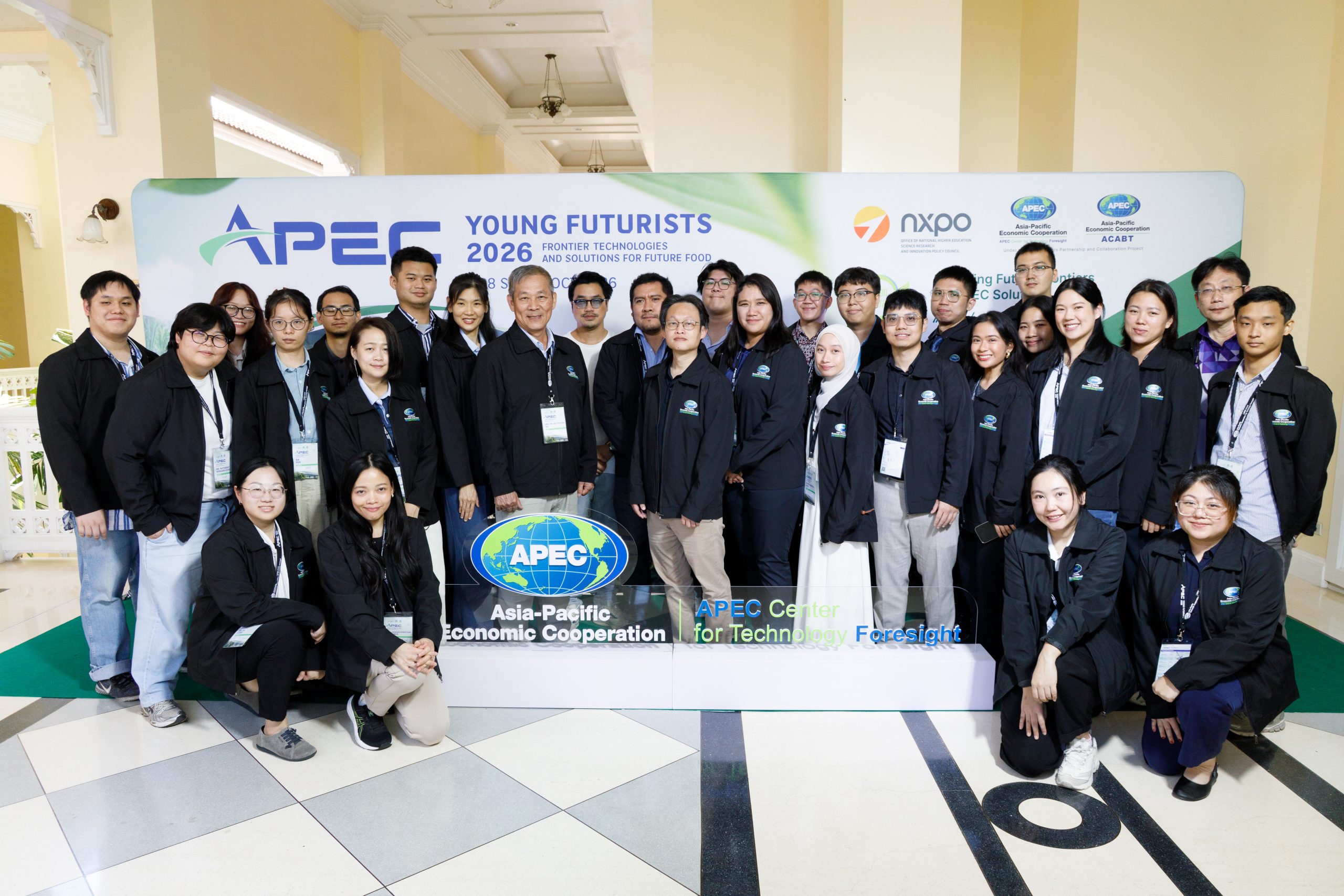
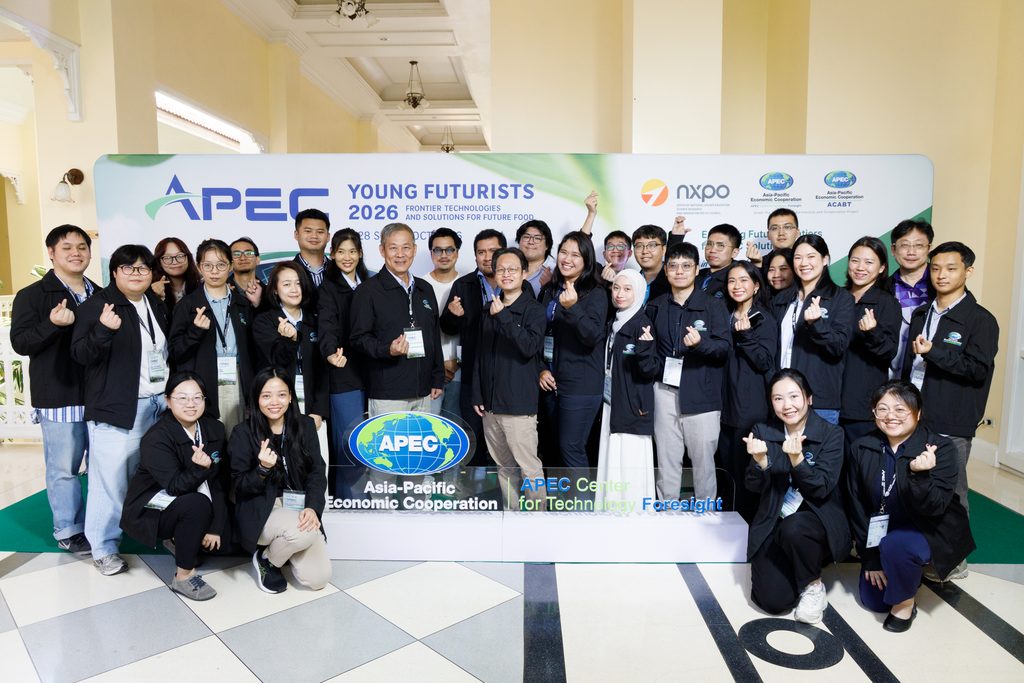
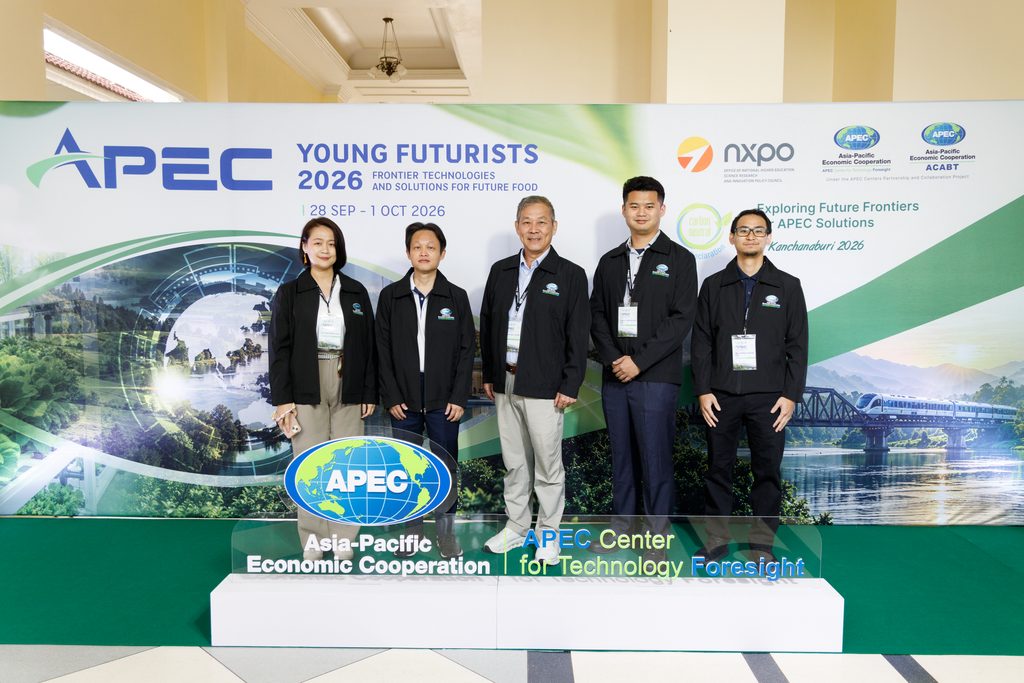
APEC Center for Technology Foresight (APEC CTF) – Office of National Higher Education Science Research and Innovation Policy Council (NXPO) in collaboration with the APEC Research Center for Advanced Biohydrogen Technology (APEC-ACABT), organized the capacity-building programme “APEC Young Futurists 2026: Frontier Technologies and Solutions for Future Food” from 28 September to 1 October 2026 in Kanchanaburi, Thailand.
The programme aimed to strengthen Strategic Foresight capabilities among young researchers from APEC economies and provide a collaborative platform for developing practical solutions to emerging food-related challenges across the region.

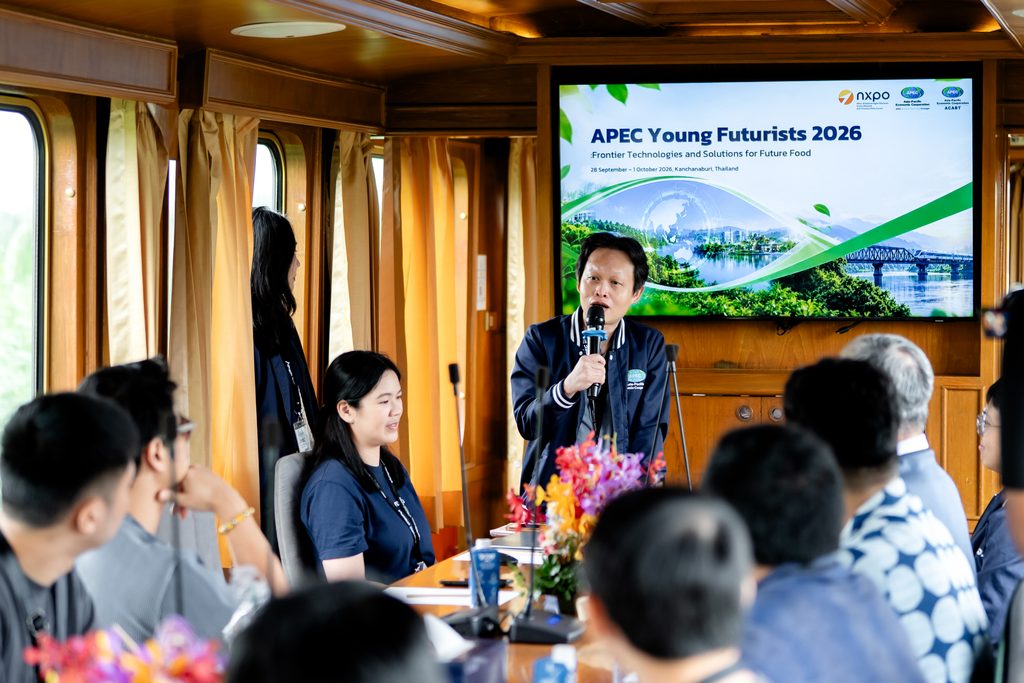

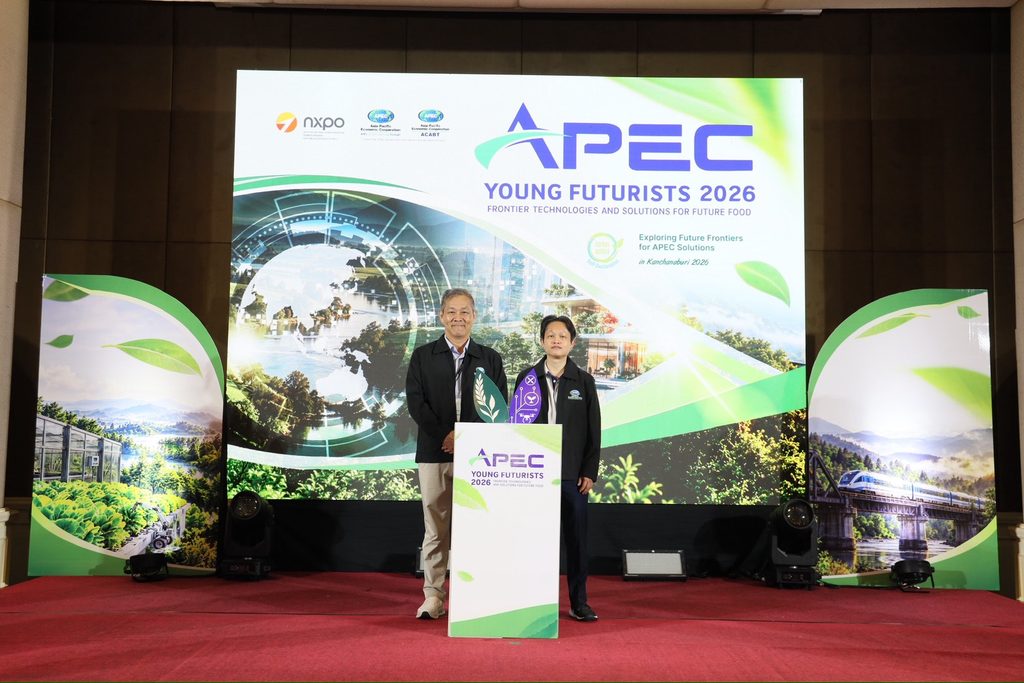
Dr. Kommate Jitvanichphaibool, Deputy Director of APEC CTF, delivered the opening remarks, while Prof. Dr. Shu-Yii Stein Wu, Chief Executive Officer of APEC-ACABT, welcomed participants from seven APEC economies: Brunei Darussalam, China, Malaysia, Peru, Chinese Taipei, Thailand, and Viet Nam. The activity was implemented with the endorsement of the APEC Policy Partnership on Science, Technology and Innovation (PPSTI). It was designed to equip young scientists and researchers with foresight knowledge and tools to identify emerging signals, analyse trends, drivers of change and emerging technologies, and translate these insights into practical solutions for future food challenges and regional food security. The outcomes will also contribute to the development of policy recommendations for PPSTI.
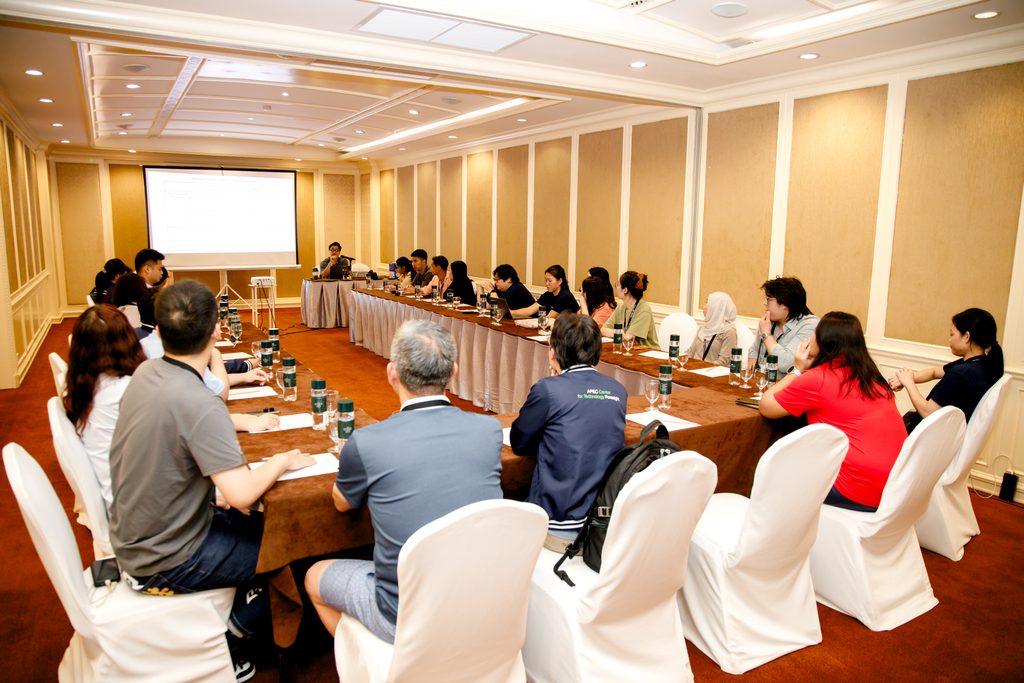
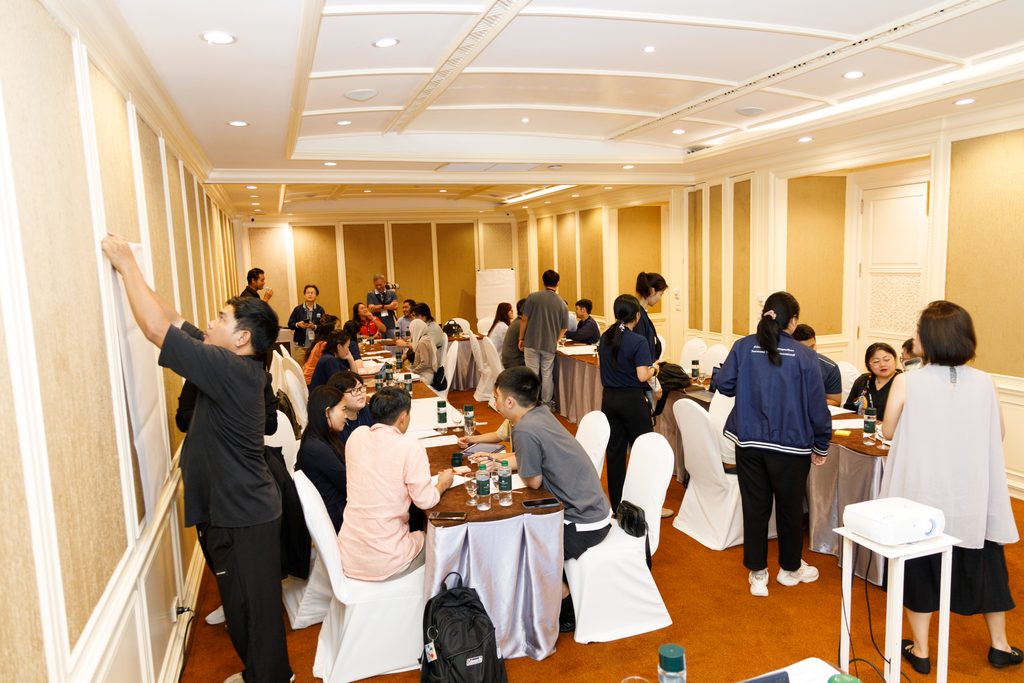
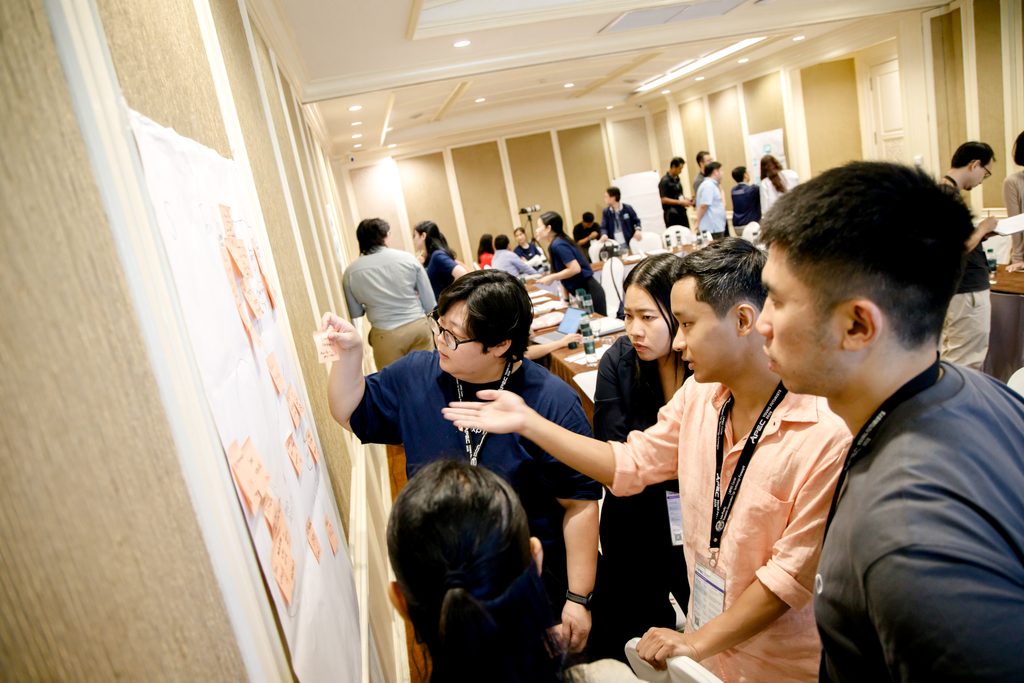
Throughout the four-day programme, participants learned key foresight concepts and methods, including the analysis of signals, trends, drivers of change, and uncertainties affecting future food systems. They subsequently applied these insights through the Future Food Change Agent Canvas, facilitated by Dr. Porramate Chumyim, Senior Advisor at the NSTDA.
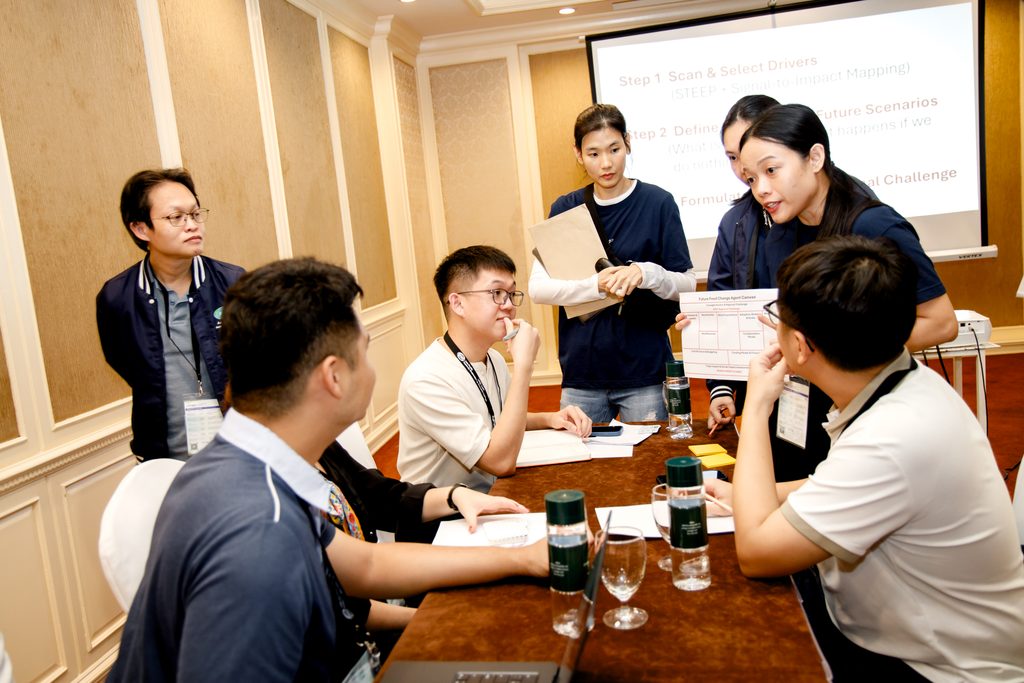
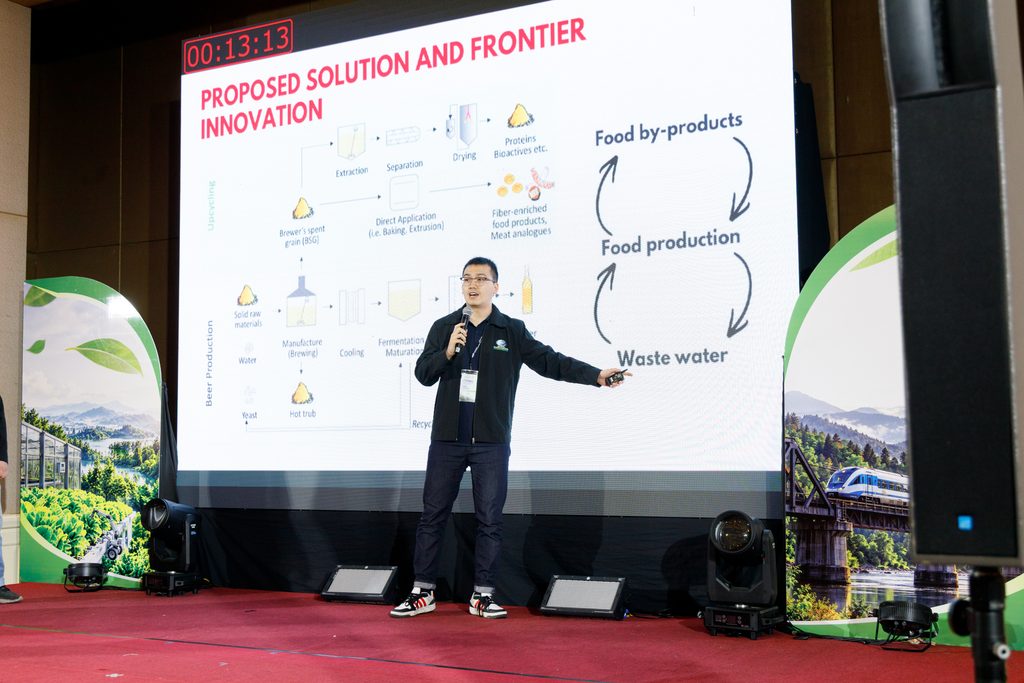
Participants also received targeted guidance through a Mentor Clinic, with representatives from APEC CTF and APEC ACABT serving as team mentors. The mentors supported participants in refining their project concepts before preparing pitch decks and presenting their proposals to a panel of judges.
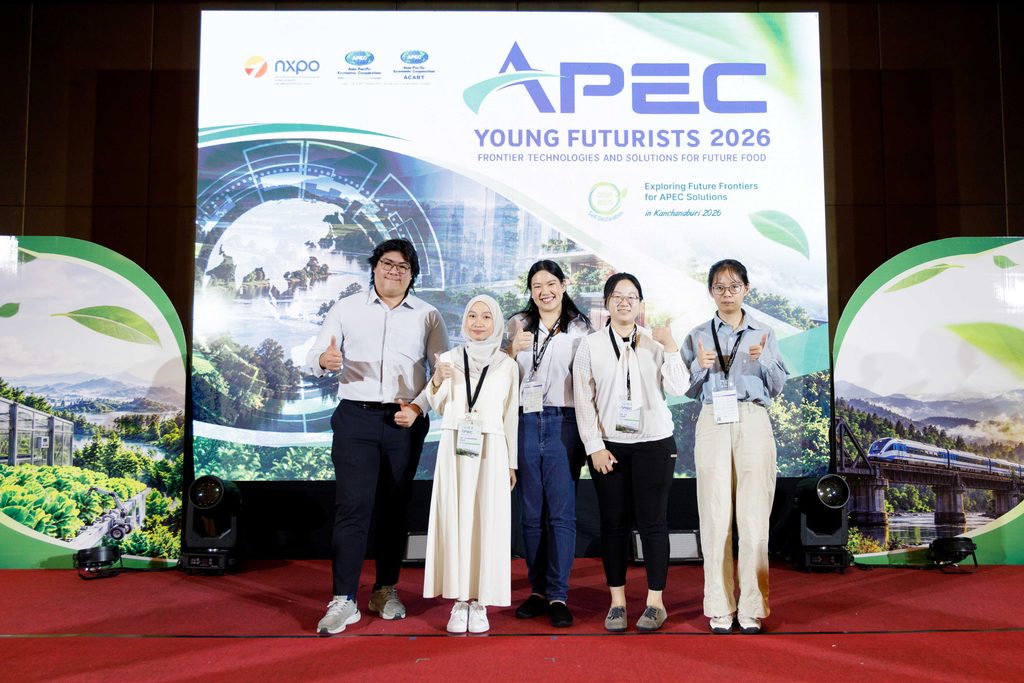
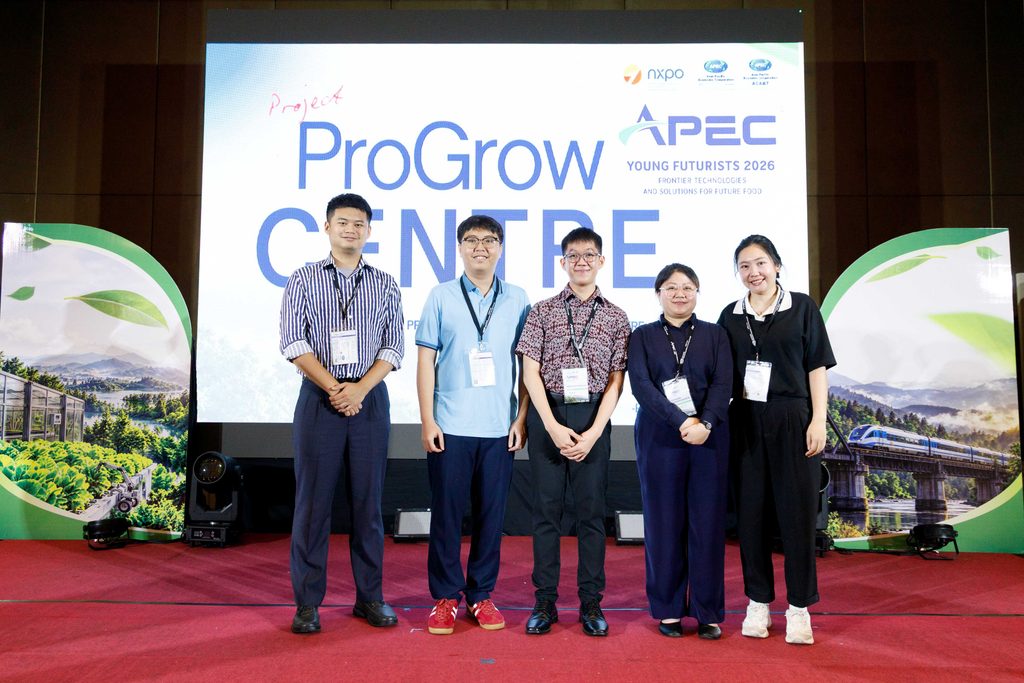
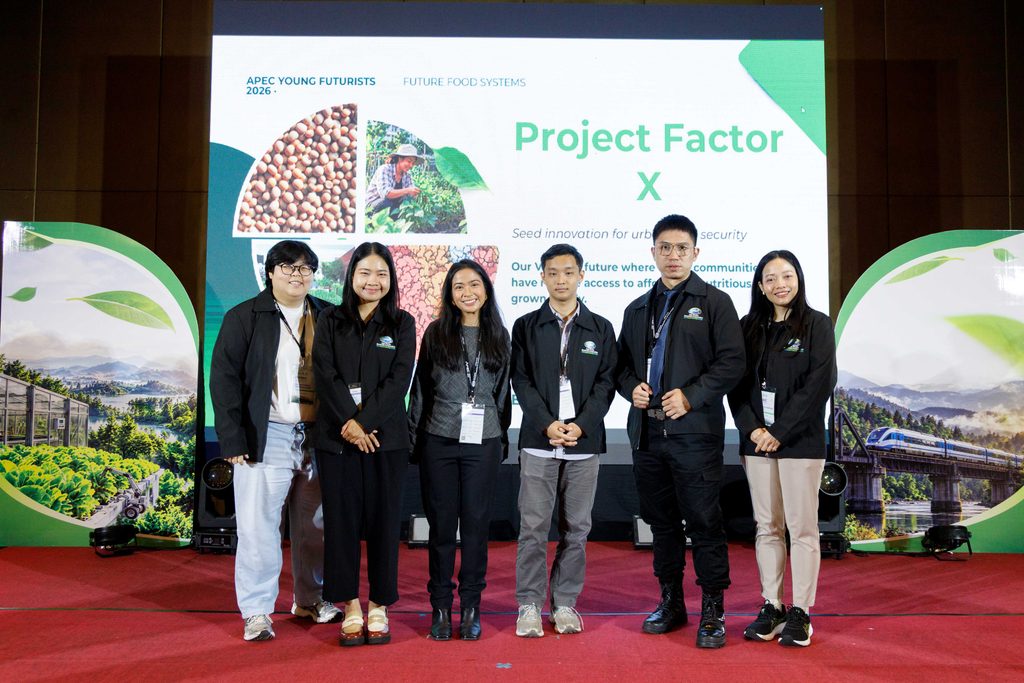
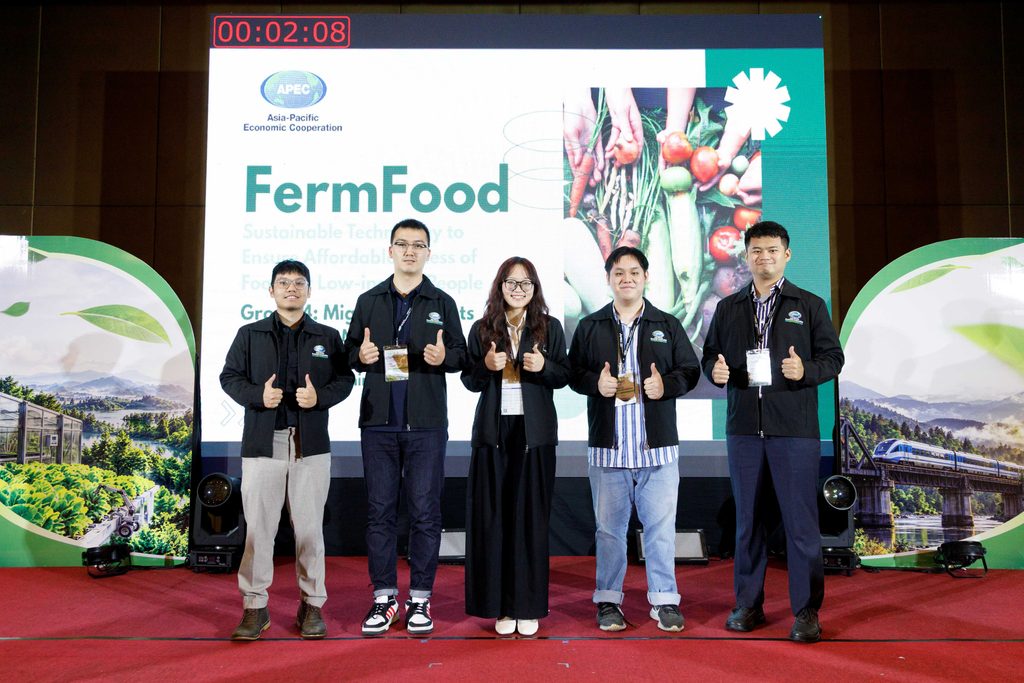
The process resulted in four project concepts addressing future food challenges in the APEC region:
- Gene-edited seeds for urban agriculture
The concept proposes the use of gene-editing technologies to develop heat-tolerant, high-yield soybean varieties, with the aim of improving access to affordable protein for low-income urban households. A pilot was proposed for Taling Chan District, Bangkok. - Agricultural residue data and reference pricing platform
This concept focuses on developing data systems and common standards for agricultural residues, such as cassava pulp and sugarcane bagasse, to support transparent markets, reduce open burning and PM2.5 pollution, and create additional income opportunities for smallholder farmers. - Local protein processing hubs for undernourished children
The concept proposes shared production infrastructure for SMEs, together with technical, nutritional, and standards-related support, to produce affordable and high-quality protein-rich foods. A pilot was proposed for schools in Kuala Lumpur. - Low-cost circular fermentation
This concept proposes utilizing by-products from the agriculture and food industries through fermentation processes to produce high-value and affordable food products. The initial pilot was proposed with SMEs in Henan Province, with potential for expansion through regional networks.
The four project concepts were assessed by a five-member judging panel representing four APEC economies: Malaysia, Peru, Chinese Taipei, and Thailand. The panel included:
- Prof. Dr. Shu-Yii Stein Wu, APEC ACABT, Chinese Taipei
- Mr. Felipe Donato Valentín Rojas, CONCYTEC, Peru
- Dr. Tan Shu Ying, MIGHT, Malaysia
- Dr. Kommate Jitvanichphaibool, APEC CTF, Thailand
- Dr. Porramate Chumyim, NSTDA, Thailand
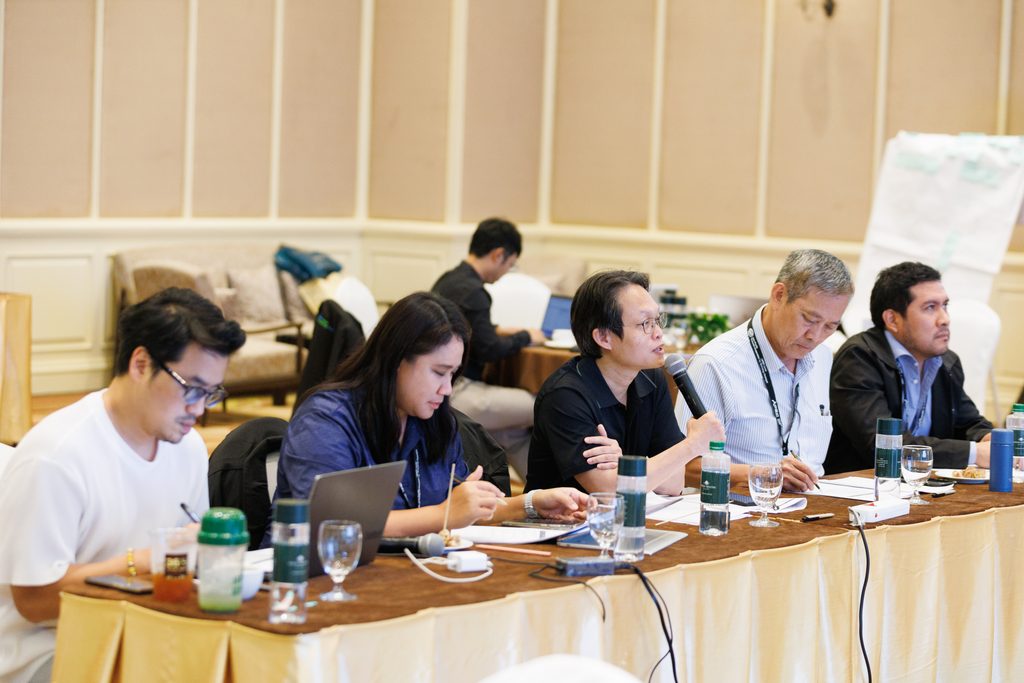
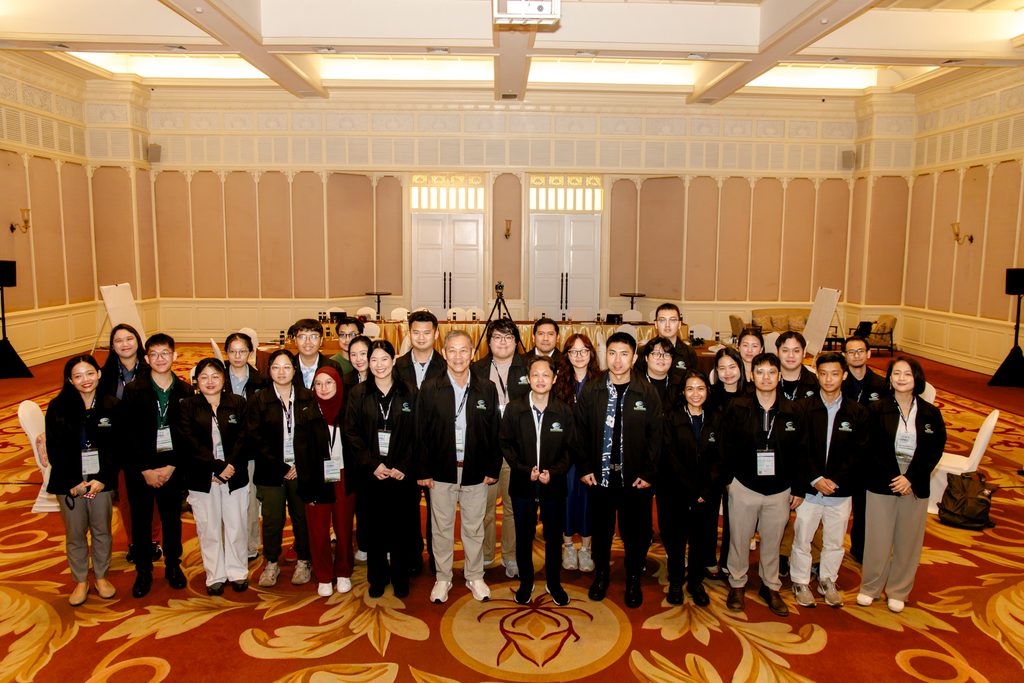
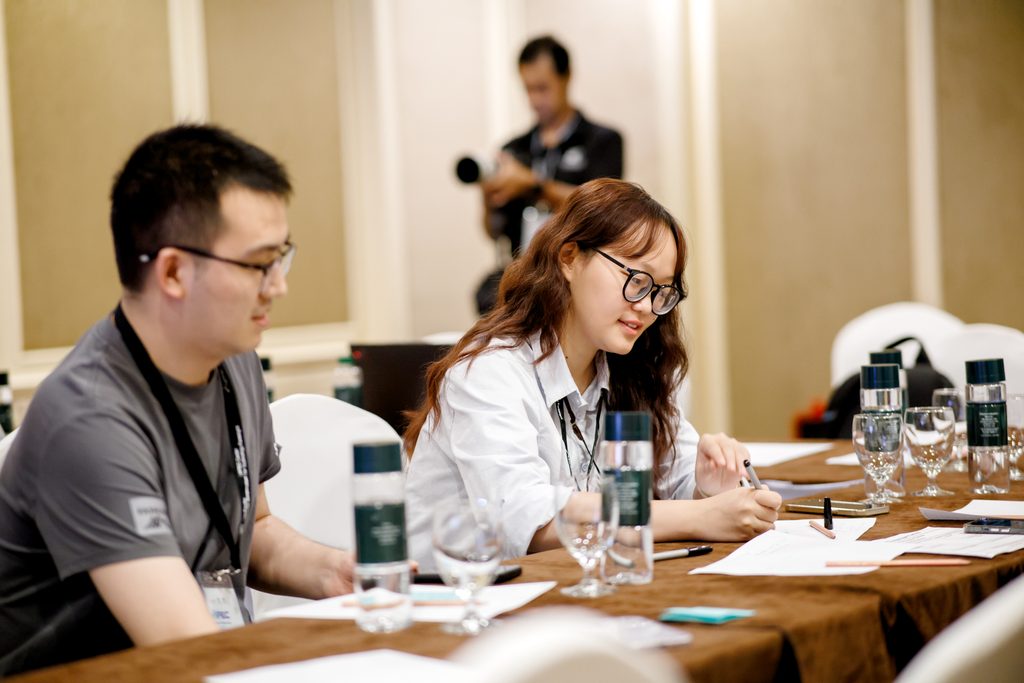
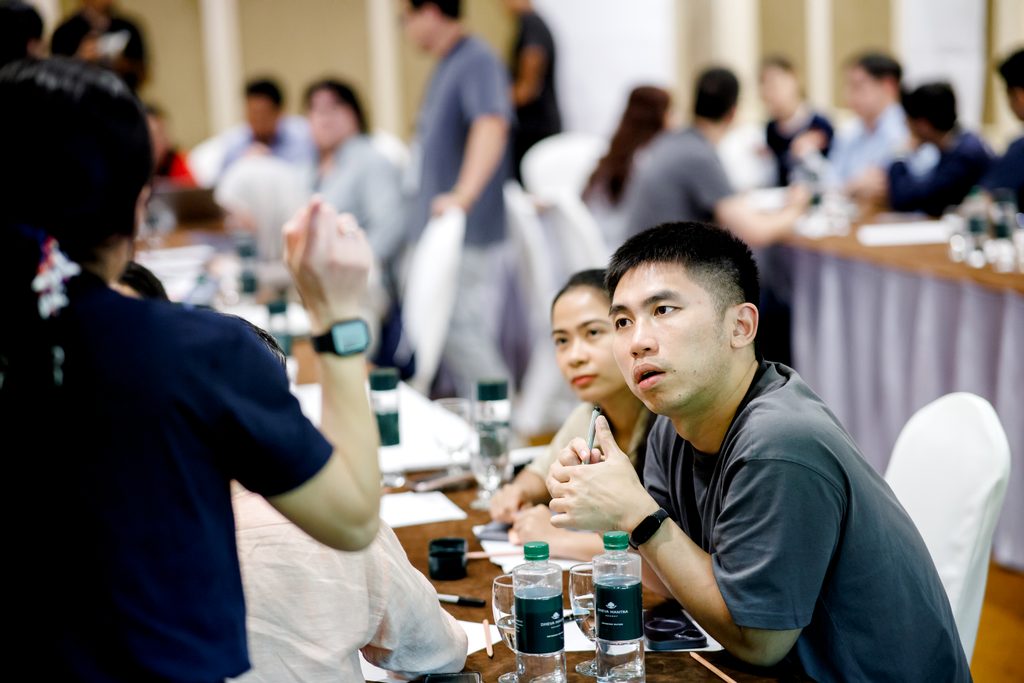
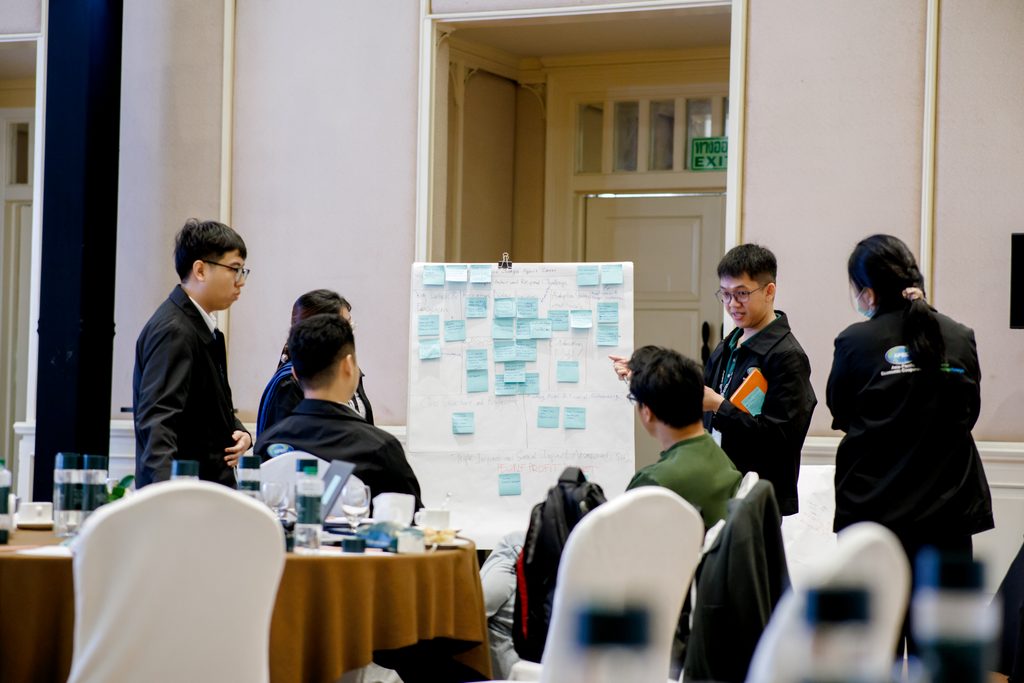
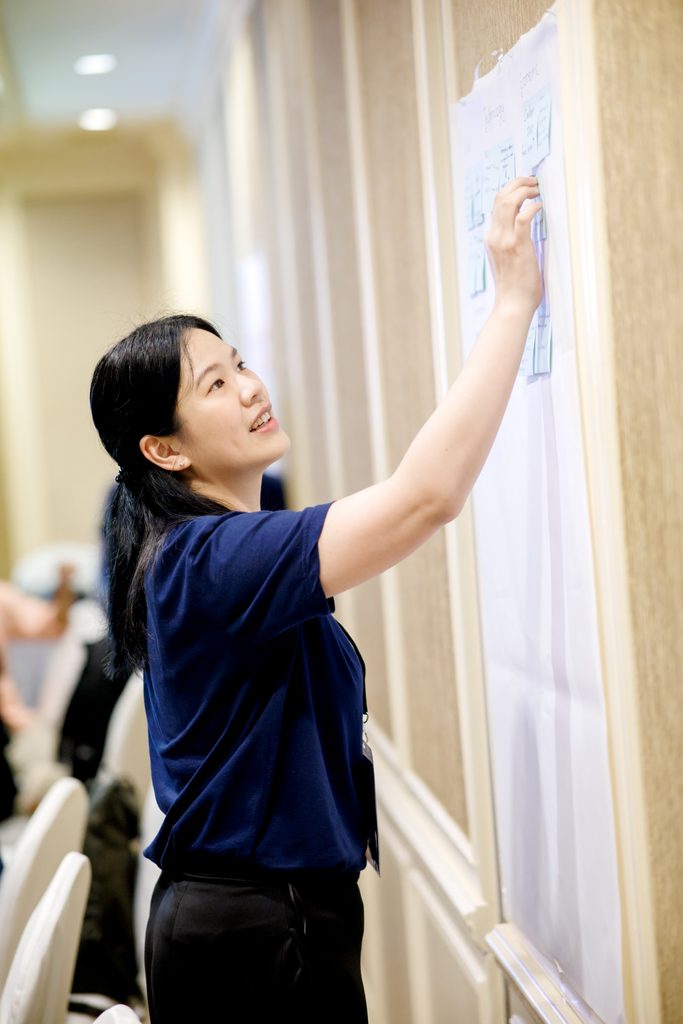
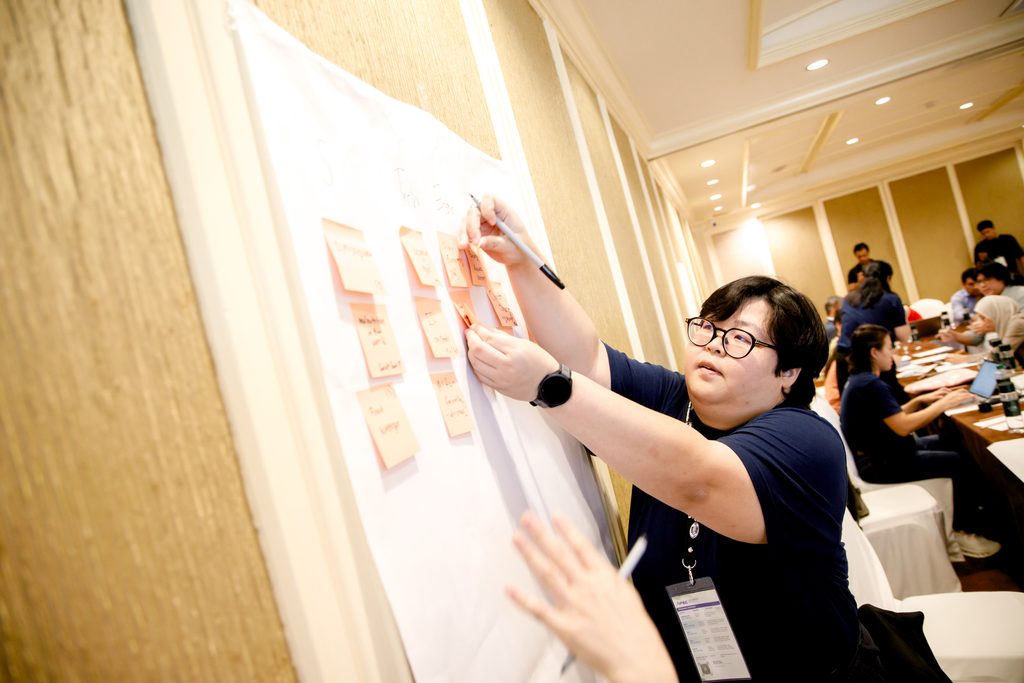
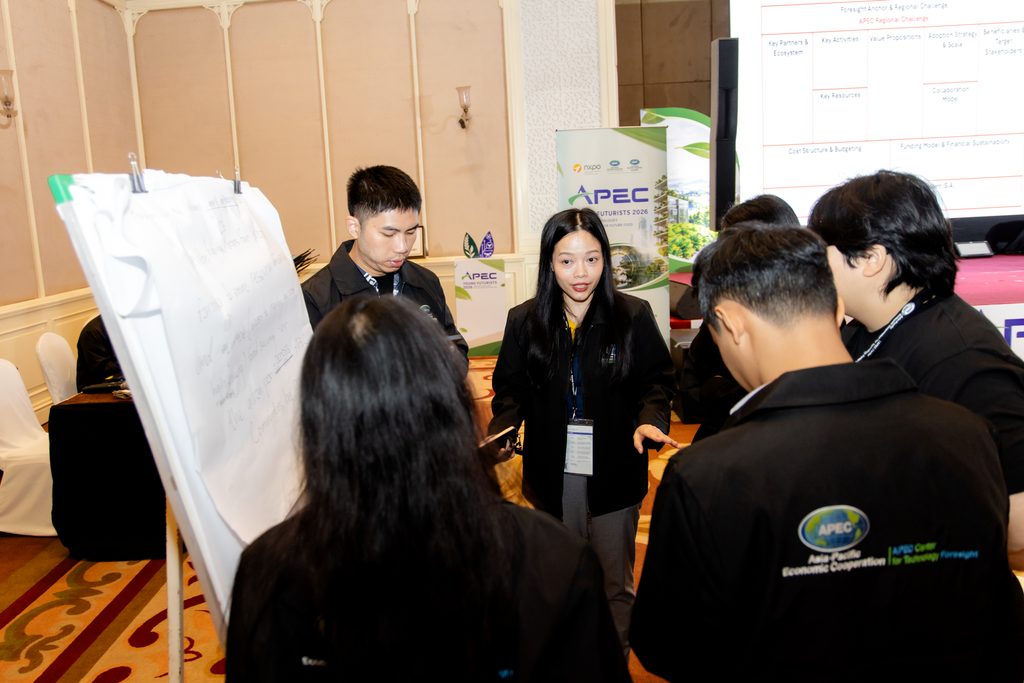
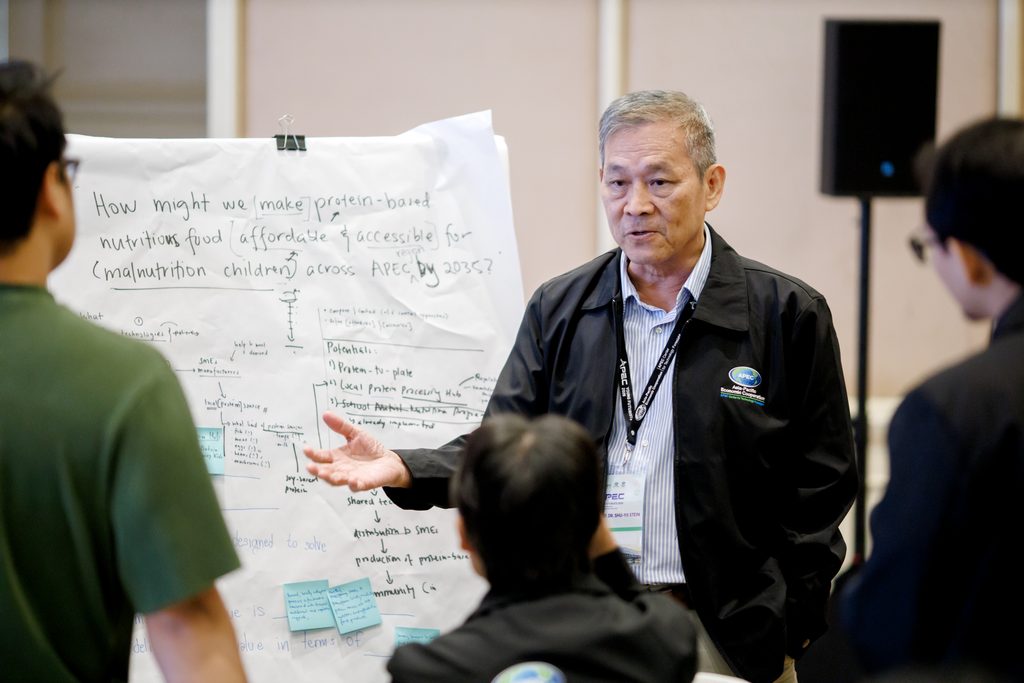
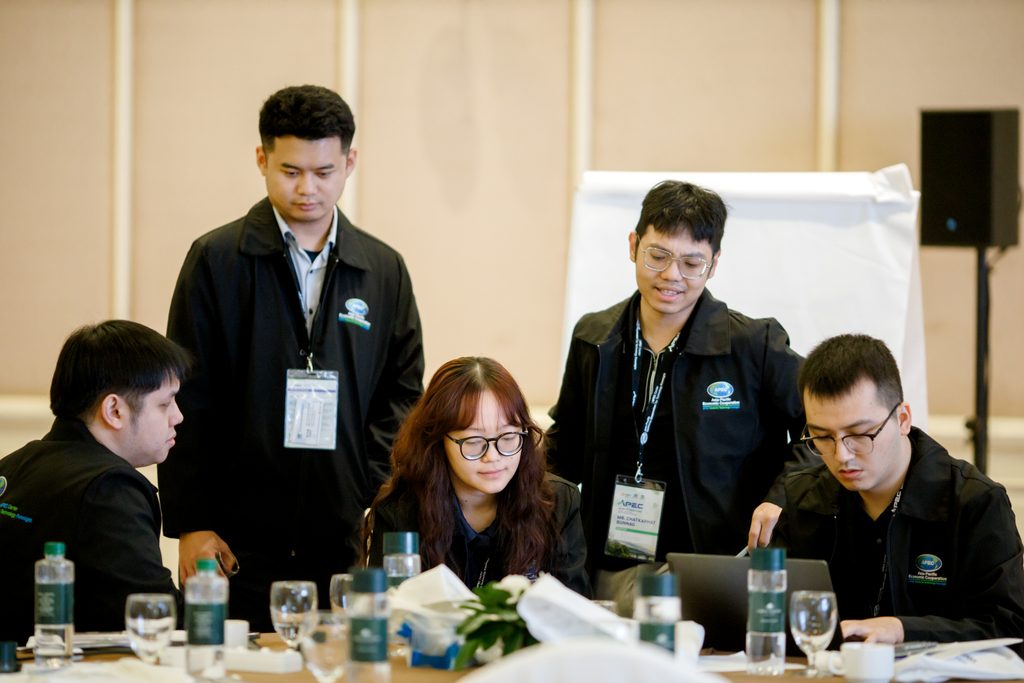
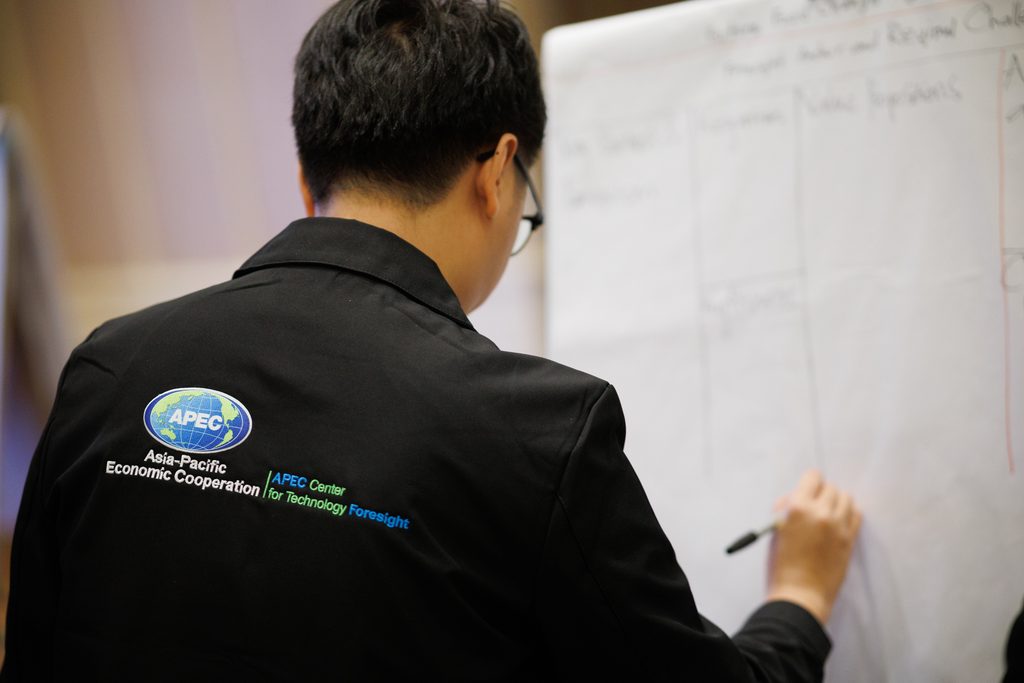
The results of the programme will contribute to the preparation of a Policy Brief and a project report for submission to PPSTI. The initiative will also be further developed through the APEC Young Futurists Network, supporting knowledge exchange, collaboration, and long-term networking among young researchers working in foresight and science, technology and innovation across the APEC region.
Participants of APEC Young Futurists 2026
Group 1
- Ming-Yan Shen — Chinese Taipei, National Taiwan University
- Noppasorn Keaworrasarn — Thailand, National Intelligence Agency (NIA)
- Pasavut Leelahapinij — Thailand, TIME Labs, Mahidol University
- Siti Zulkiflee — Malaysia, CG Health
Group 2
- An-Jie Luan — Chinese Taipei, Feng Chia University
- Fatin Amanina Azis — Brunei Darussalam, Universiti Brunei Darussalam (UBD)
- Na Pan — China, Chongqing University
- Smithi Skunnawat — Thailand, TIME Labs, Mahidol University
Group 3
- Mohd Azrin Abdullah — Malaysia, Bioeconomy Corporation
- Supawan Klungphukieow — Thailand, Futures Study Center / National Intelligence Agency (NIA)
- Tan Nguyen Hai Duc — Viet Nam, Ho Chi Minh City University of Technology (HCMUT)
Group 4
- Hao Chang — China, Chongqing University
- Kanatat Paosawatyanyong — Thailand, TIME Labs, Mahidol University
- Nguyen Ngoc Mai — Viet Nam, Hanoi University of Science and Technology (HUST)
Mentors
- Cheng-Han Michael Liu — Chinese Taipei, APEC Research Center for Advanced Biohydrogen Technology (APEC-ACABT)
- Dr. Natharat Mongkolsinh — Thailand, NXPO
- Dr. Natthamon Suwannaprom — Thailand, APEC CTF
- Ms. Jirapan Christian Linares — Thailand, APEC CTF
- Mr. Chatkaphat Bunnag — Thailand, APEC CTF
- Ms. Kanokwan Makornwatthana — Thailand, APEC CTF
#APECYoungFuturist2026 #APECCTF #APECACABT
Share


 Back
Back