 News Release and Events
APEC CTF HOSTS THAILAND TNA POLICY DIALOGUE TO EXPLORE PATHWAYS FOR CLIMATE TECHNOLOGY DEPLOYMENT
APEC CTF HOSTS THAILAND TNA POLICY DIALOGUE TO EXPLORE PATHWAYS FOR CLIMATE TECHNOLOGY DEPLOYMENT

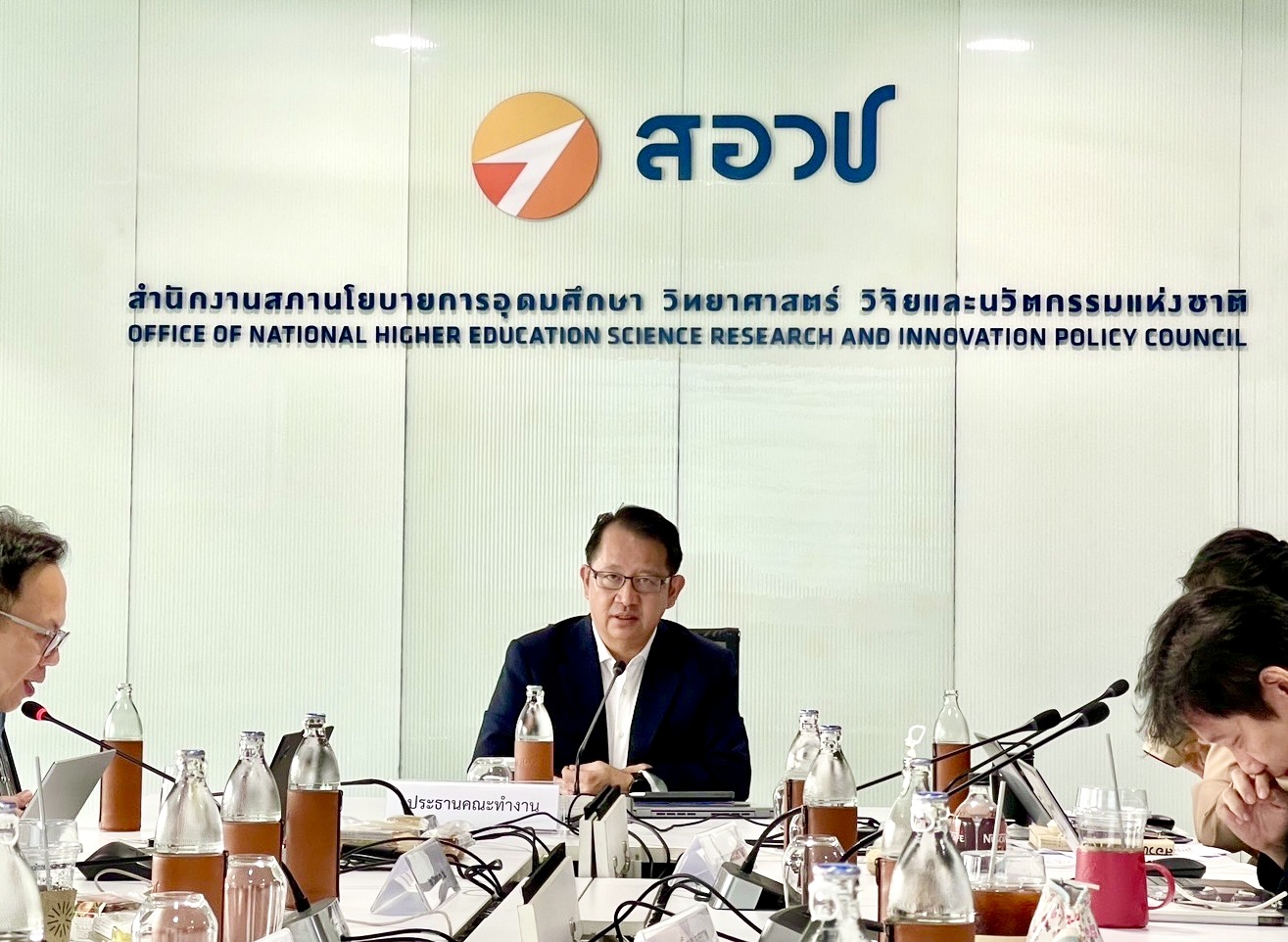
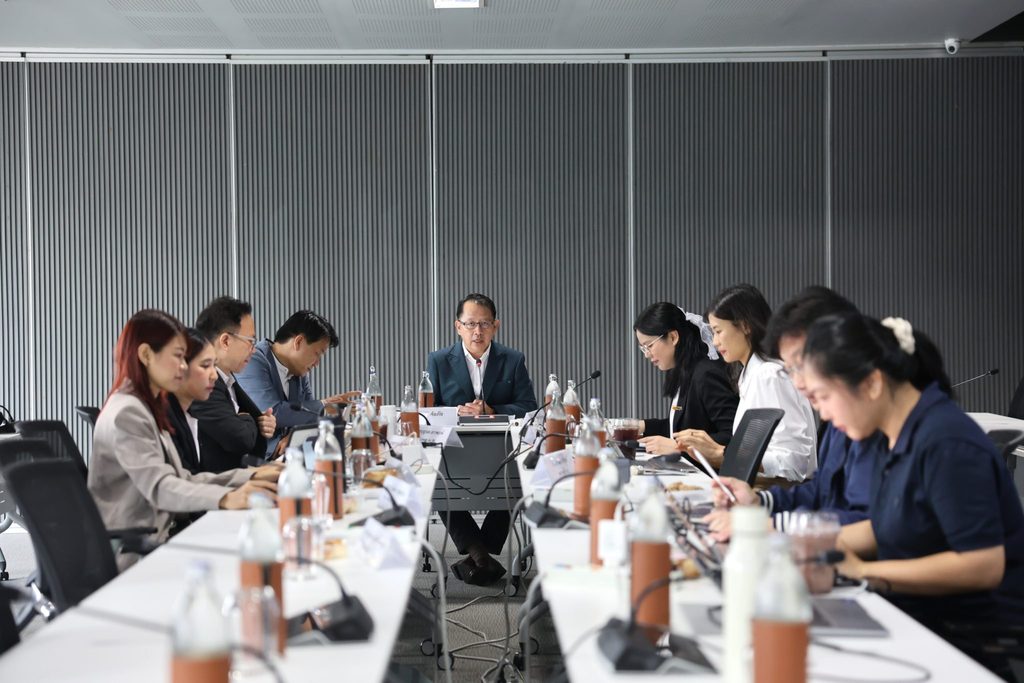
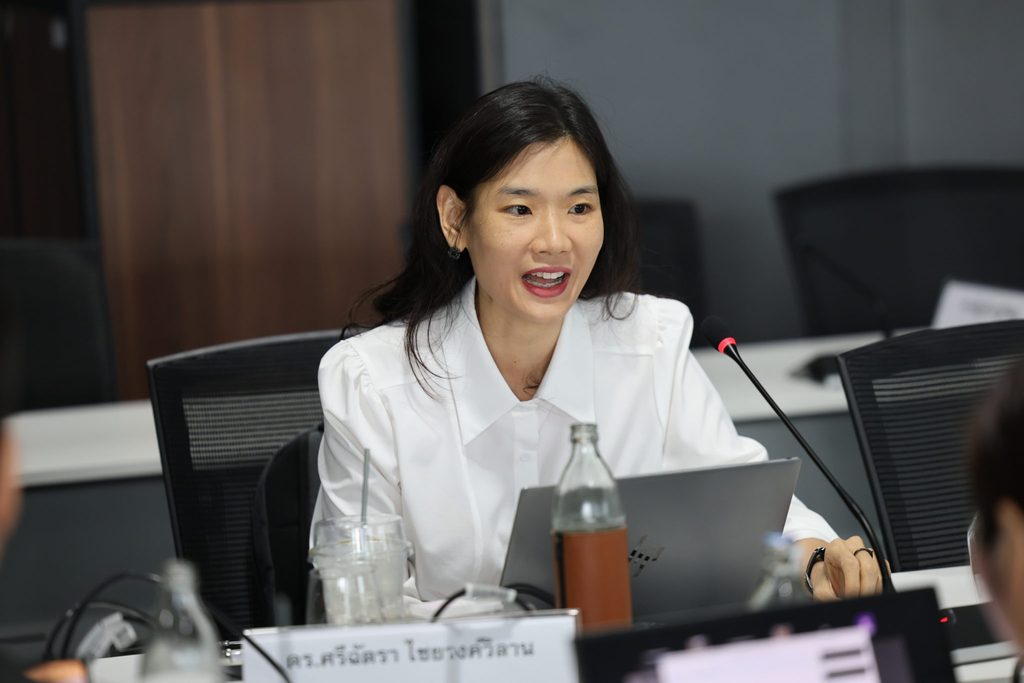
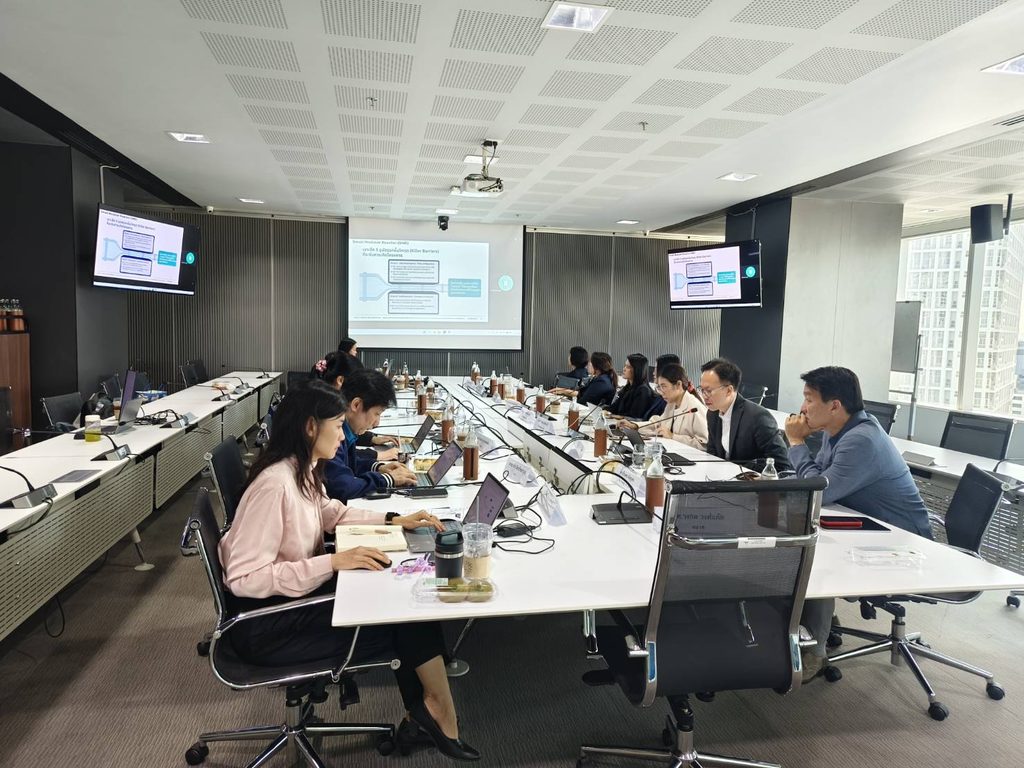
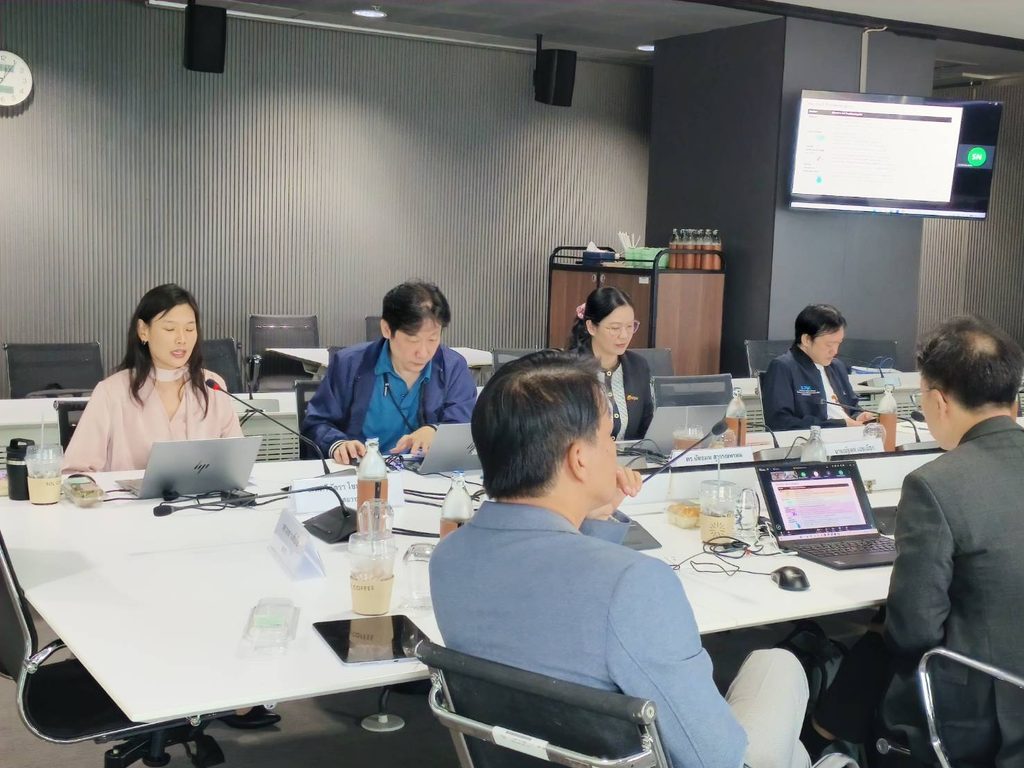
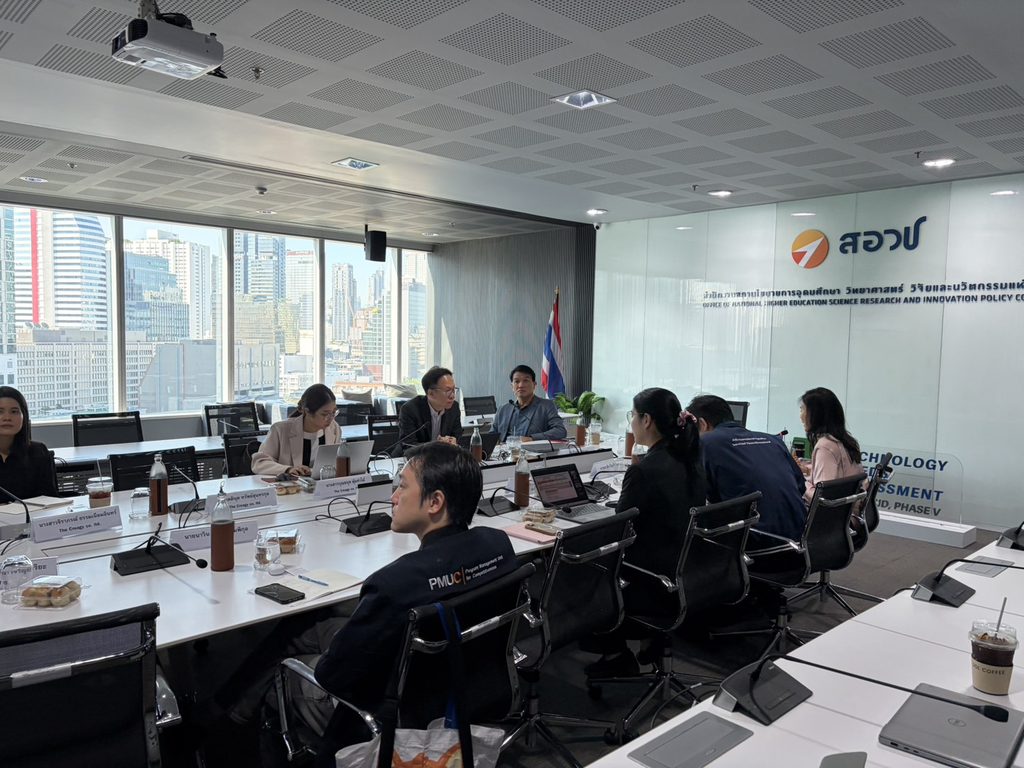
The Office of the National Higher Education Science Research and Innovation Policy Council (NXPO), which hosts the APEC Center for Technology Foresight (APEC CTF), convened a three-day Policy Dialogue Series under Thailand’s second Technology Needs Assessment (Thailand TNA) on 27 October, 30 October, and 2 November 2026 in Bangkok and online.
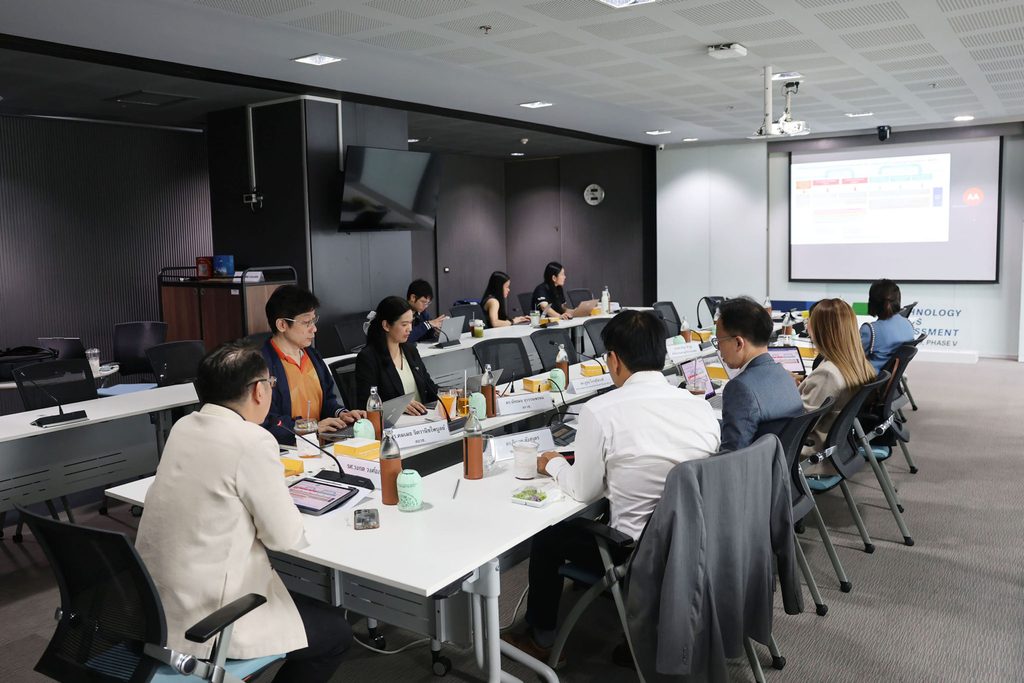
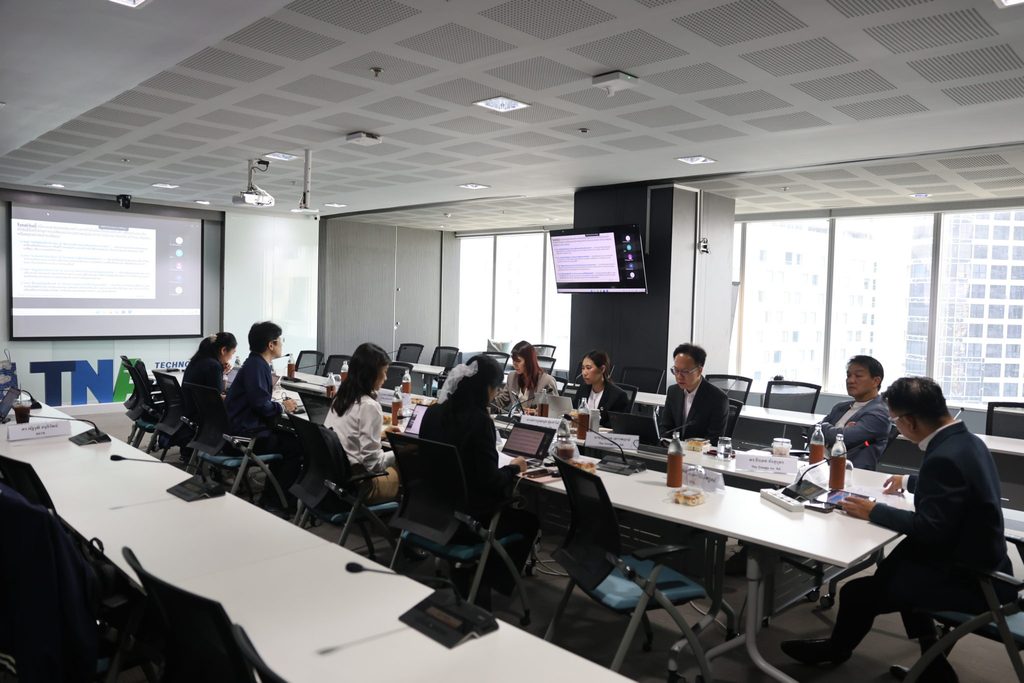
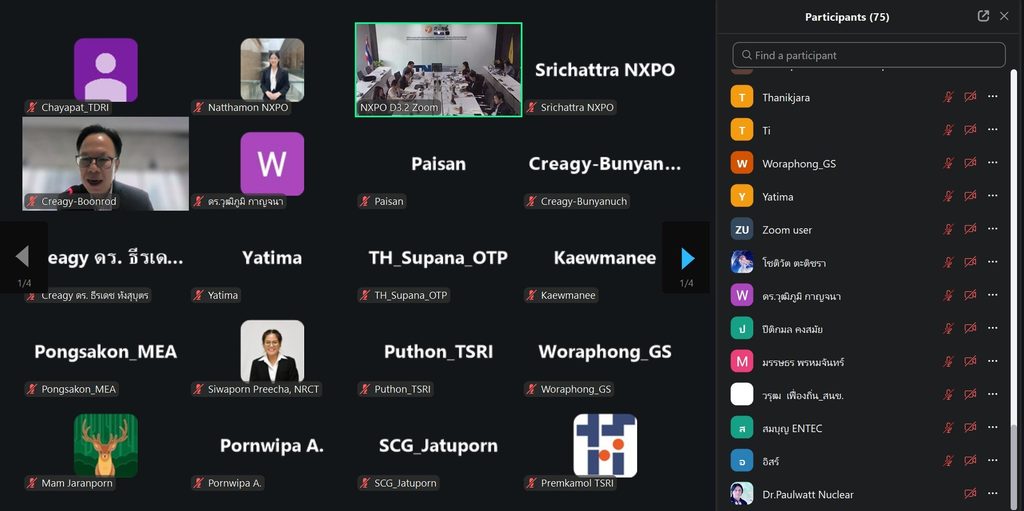
More than 200 participants from government, the private sector, academia, and civil society joined the dialogues to examine how priority climate technologies could support Thailand’s mitigation and adaptation goals, and what policy, regulatory, financial, institutional, and capacity-related barriers need to be addressed to enable implementation.
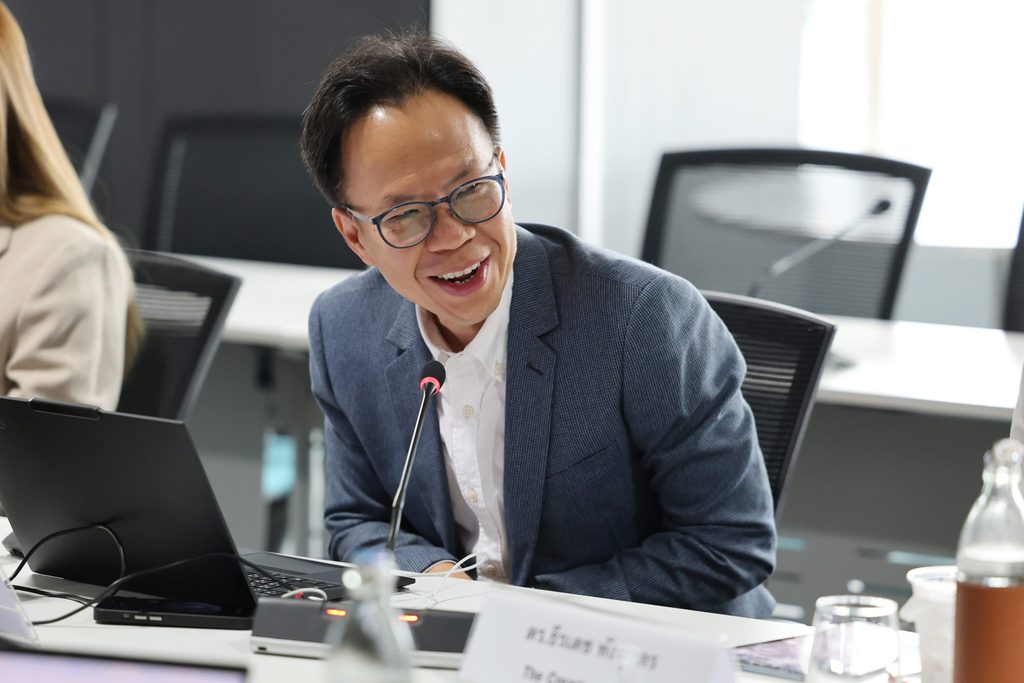
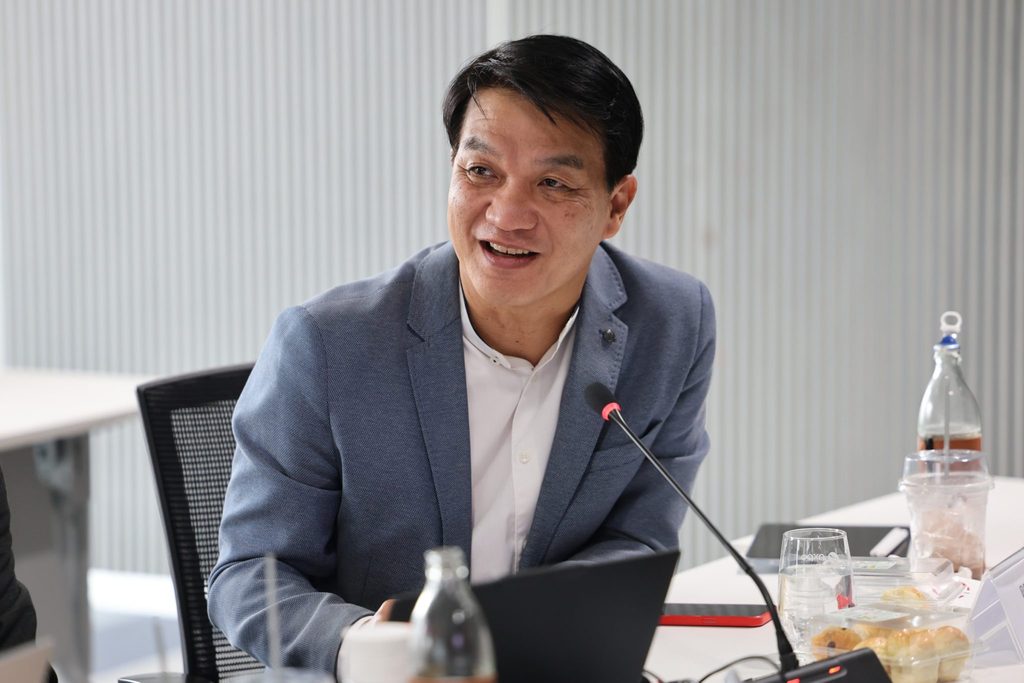
Assoc. Prof. Wongkot Wongsapai, Vice President of NXPO, Senior Strategist of APEC CTF, emphasized that the TNA process helps identify technologies that are strategically important for Thailand’s climate transition while clarifying the enabling conditions required for their deployment. This will require clearer technology priorities, stronger enabling frameworks, and a pipeline of investment-ready or bankable projects.
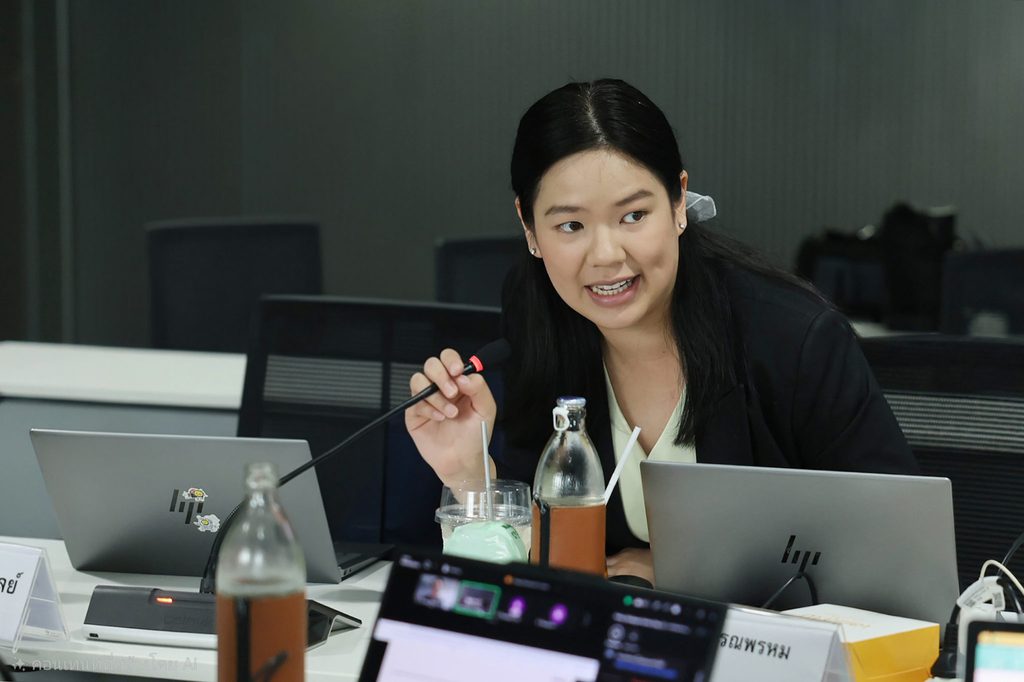
Thailand’s second TNA is being implemented during 2025–2027 as part of Global TNA Phase V, implemented by the UNEP Copenhagen Climate Centre (UNEP-CCC) with support from the Global Environment Facility (GEF). NXPO serves as Thailand’s TNA Coordinator and as the country’s National Designated Entity (NDE) for climate technology transfer under the UNFCCC. The TNA process shortlisted 16 priority technologies across four sectors: energy, agriculture, water resources management, and human settlements and human security. The technologies were assessed based on their potential impact, deployment readiness, and relevance to Thailand’s national context.
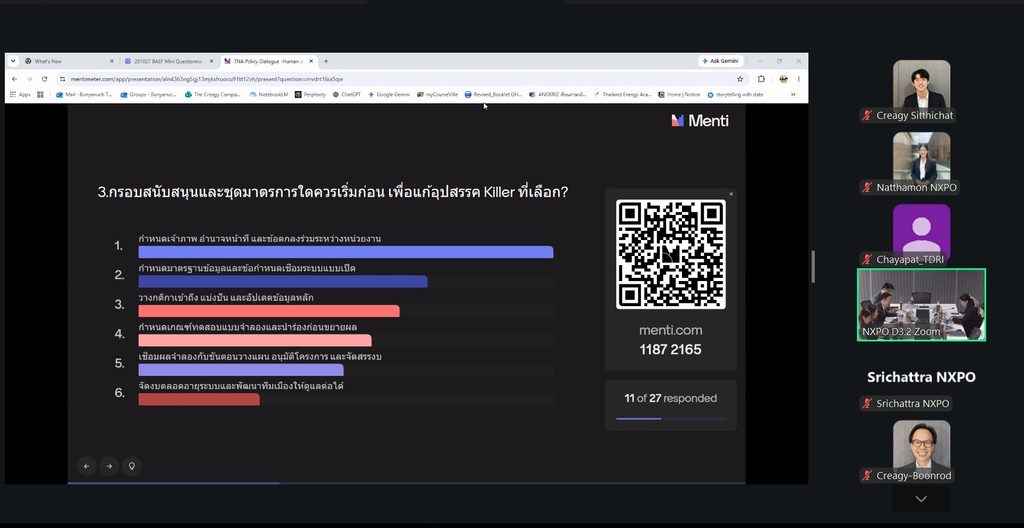
Day 1: People, Cities and Water
The first dialogue, held on 27 October, focused on the future of people, cities, and water management in Thailand.
Discussions explored the use of technologies such as digital twins for urban planning, real-time water quality monitoring, underground water detention and storage, managed aquifer recharge, and passive cooling materials.
Participants highlighted the importance of data availability, technical capacity, and coordination across agencies to ensure that technologies can respond effectively to local needs and conditions.
Day 2: Climate-Resilient Agriculture
The second dialogue, held on 30 October, examined how Thailand’s agricultural sector can adapt to climate change while maintaining the resilience and livelihoods of farmers.
Key technologies included genome-edited rice, methane-reducing livestock feed additives, nitrification inhibitors, and Near-Infrared sensors for soil analysis.
The discussion also considered technology costs, economic feasibility, accessibility, and support mechanisms that could facilitate wider adoption by farmers.
Day 3: Thailand’s Future Energy Pathways
The third dialogue, held on 2 November, focused on future energy pathways and the technologies Thailand may need to prepare for over the next decade.
Participants discussed the potential role of Small Modular Reactors (SMRs), Carbon Capture, Utilization and Storage (CCUS), and Sustainable Aviation Fuel (SAF), as well as the use of solar energy and backup energy systems to strengthen the resilience of critical infrastructure.
The dialogue considered the enabling conditions required for these technologies, including costs, standards, infrastructure, regulation, and implementation readiness.
Share


 Back