
 Knowledge Sharing
APEC CTF INVITED TO SHARE KNOWLEDGE ON TECHNOLOGY FORESIGHT FOR GHG MANAGEMENT
Knowledge Sharing
APEC CTF INVITED TO SHARE KNOWLEDGE ON TECHNOLOGY FORESIGHT FOR GHG MANAGEMENT
APEC CTF INVITED TO SHARE KNOWLEDGE ON TECHNOLOGY FORESIGHT FOR GHG MANAGEMENT

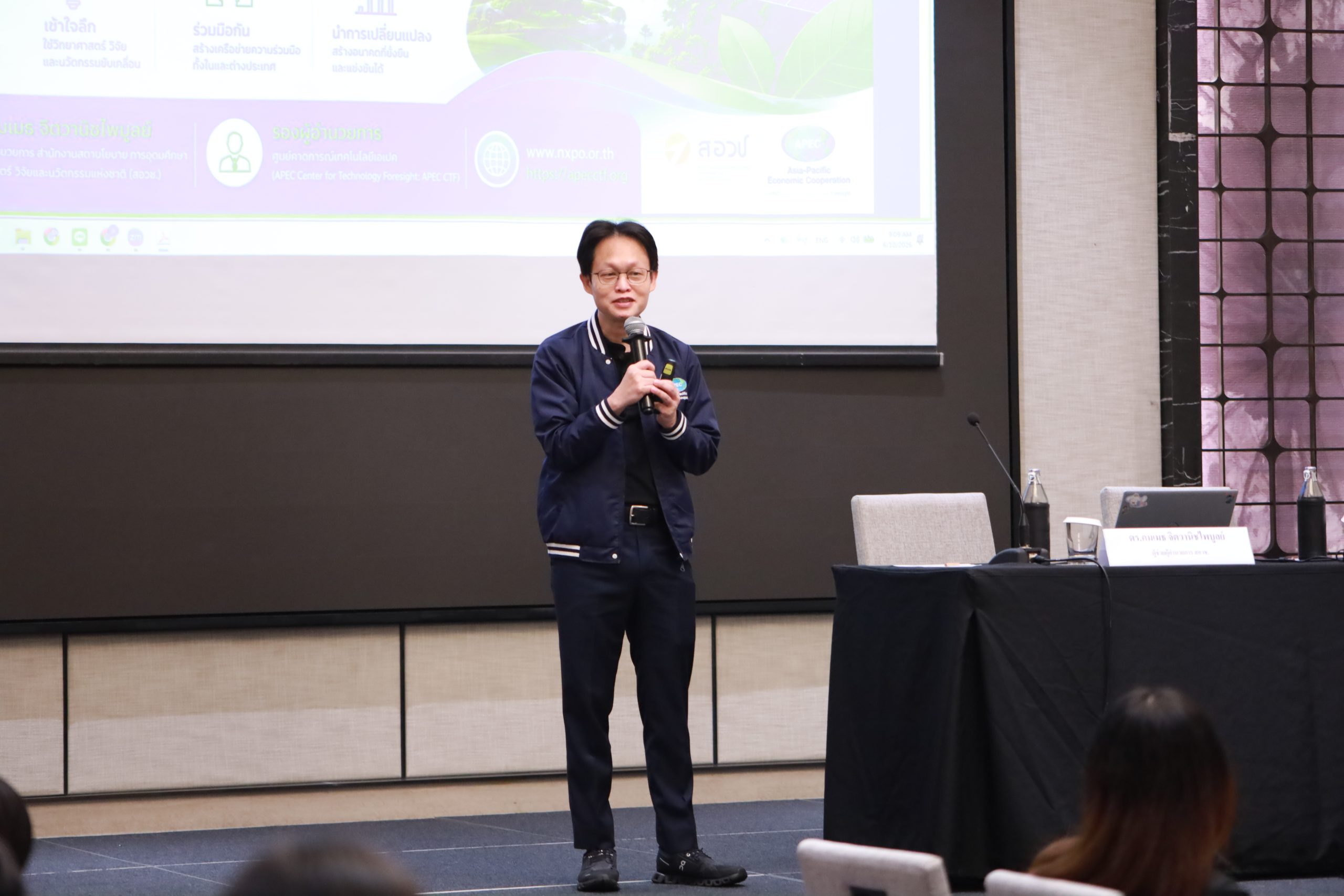
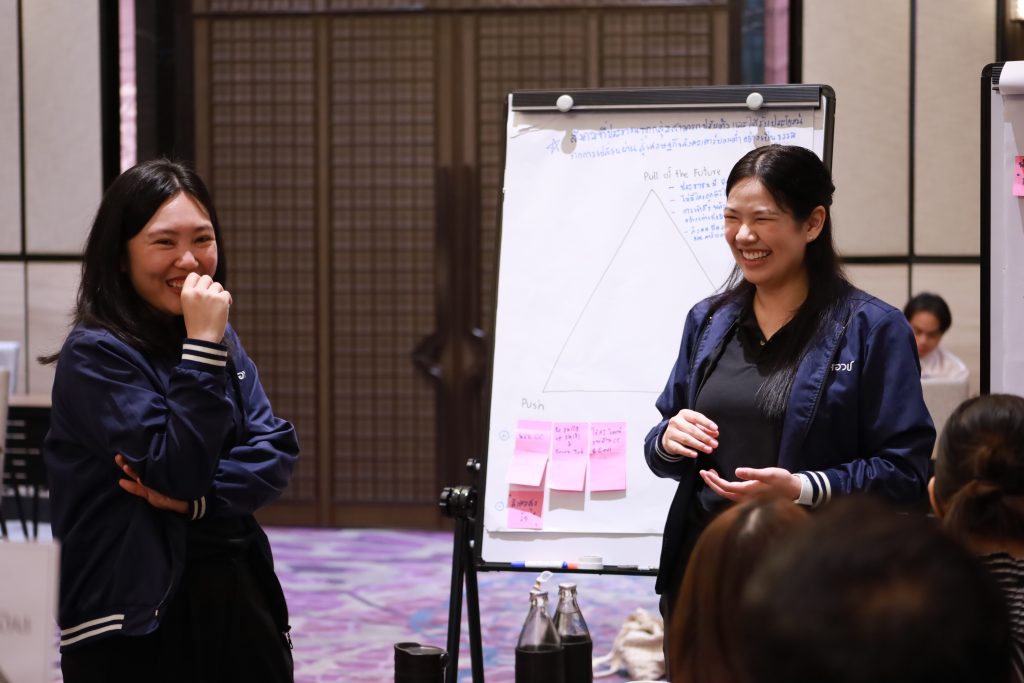
On 10 June, from 09.00 to 12.00 hrs., at Kamolthip 3 Room, The Sukosol Hotel, the APEC Center for Technology Foresight (APEC CTF), was invited by Chiang Mai University to deliver a lecture on “Technology Foresight for GHG Management” and conduct a hands-on workshop aimed at strengthening understanding and practical skills in applying strategic foresight tools for greenhouse gas management.
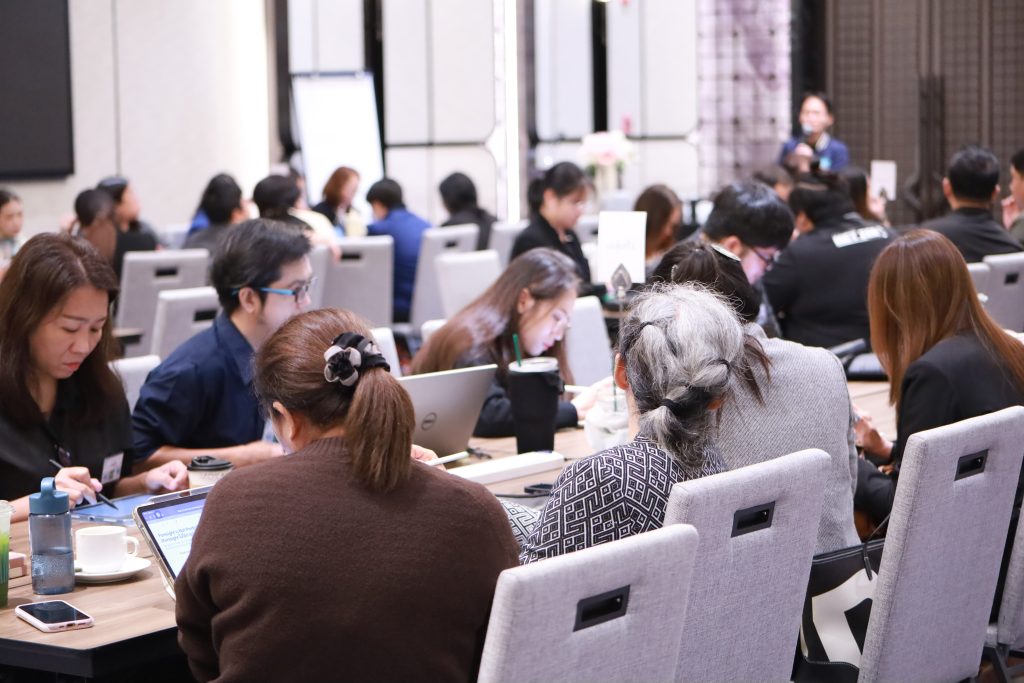
The activity was part of the Low Carbon and Climate Resilience Empowerment Program (LCEP) under the Empowering Thailand’s Department of Climate Change and Environment (EMPOWER II) project, organized by Chiang Mai University in collaboration with GIZ. The program aims to enhance the capacity of personnel to look ahead, understand complex challenges in depth, collaborate across sectors, and drive transformation toward a sustainable and competitive future.
The lecture covered key issues related to global uncertainty, ranging from the concepts of VUCA, BANI, and Polycrisis to the drivers of the global green transition, the pathway toward Net Zero, and strategic implications for Thailand. It highlighted that greenhouse gas management today is not merely an environmental issue, but is closely linked with the economy, technology, investment, supply chains, international regulations, and national competitiveness.
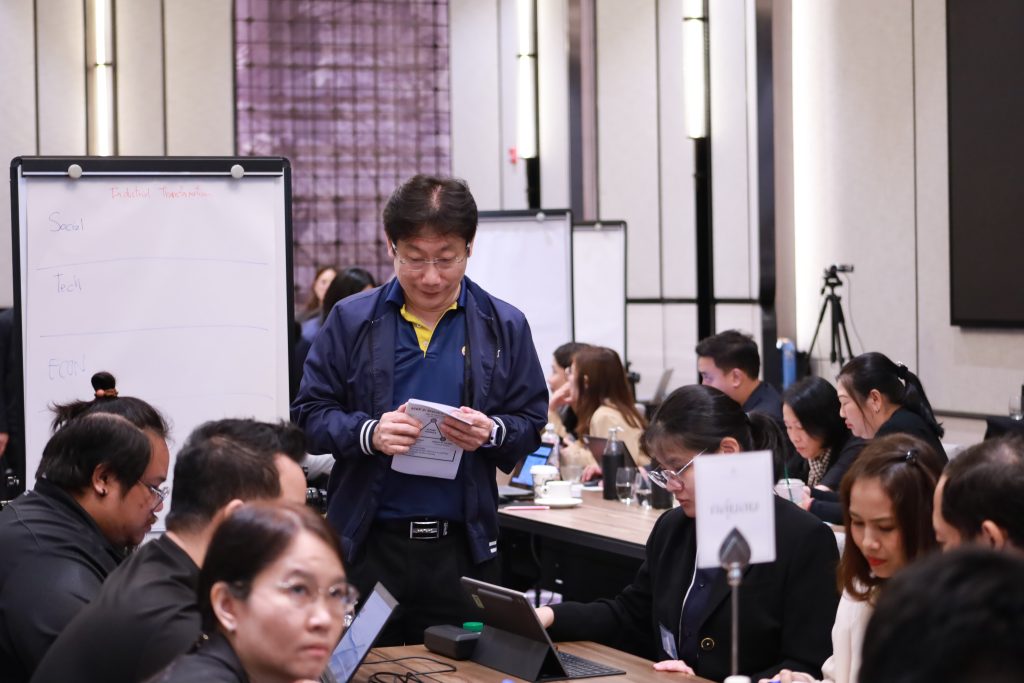
The session was led by Dr. Kommate Jitvanichphaibool, Deputy Director of APEC CTF, together with the team. The activity aimed to strengthen understanding of Strategic Foresight as a tool to support greenhouse gas management, the transition toward a low-carbon society, and the capacity of agencies to respond to global uncertainty. It emphasized the importance of connecting global trends, including VUCA, BANI, Polycrisis, and the green transition, with strategic implications for Thailand.
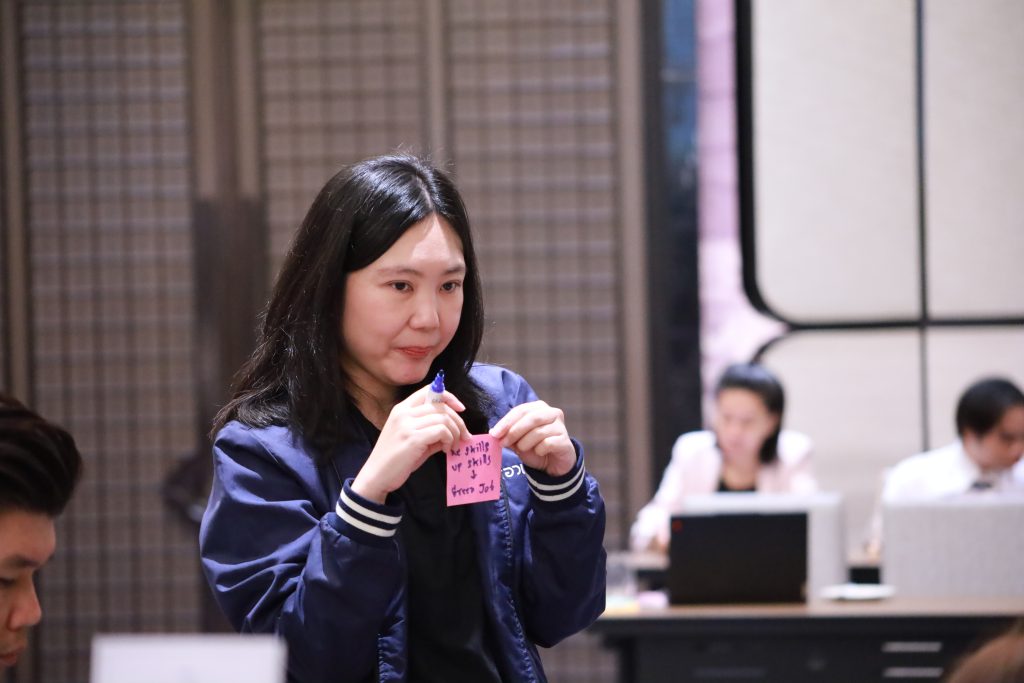
The activity was divided into two main parts: a lecture session to build foundational understanding of global contexts and foresight tools, and a workshop session to apply foresight methods to the theme “Thailand’s Climate Transformation Pathways 2035.” Participants practiced futures thinking through three key steps: Horizon Scanning, Scenario Building, and Strategic Response, enabling them to identify signals of change, develop future scenarios, and formulate strategic responses for national climate-related missions.
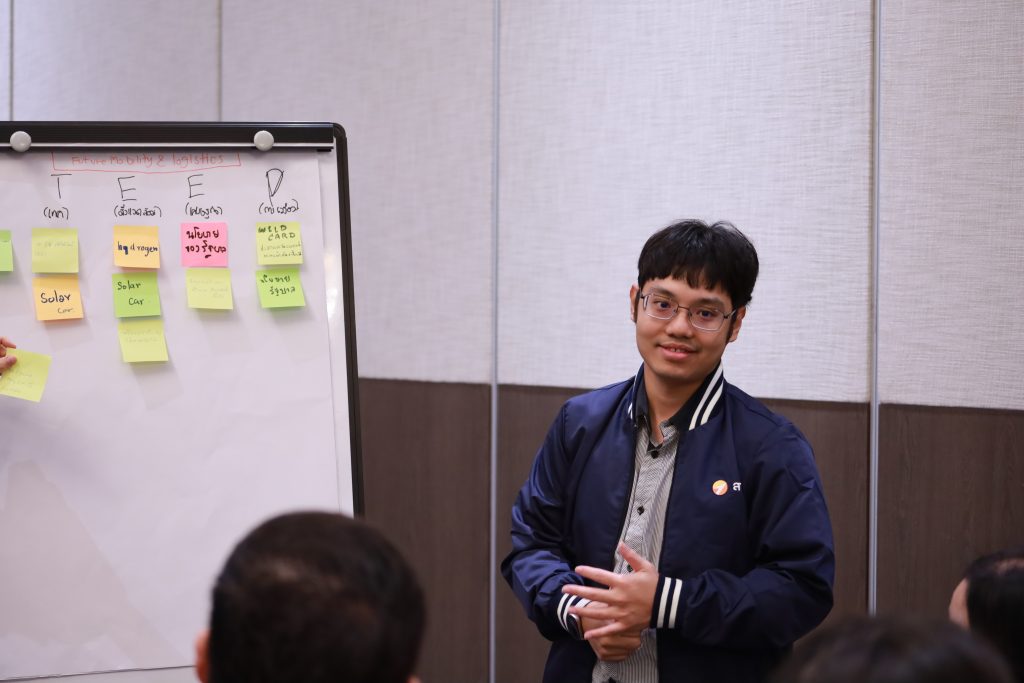
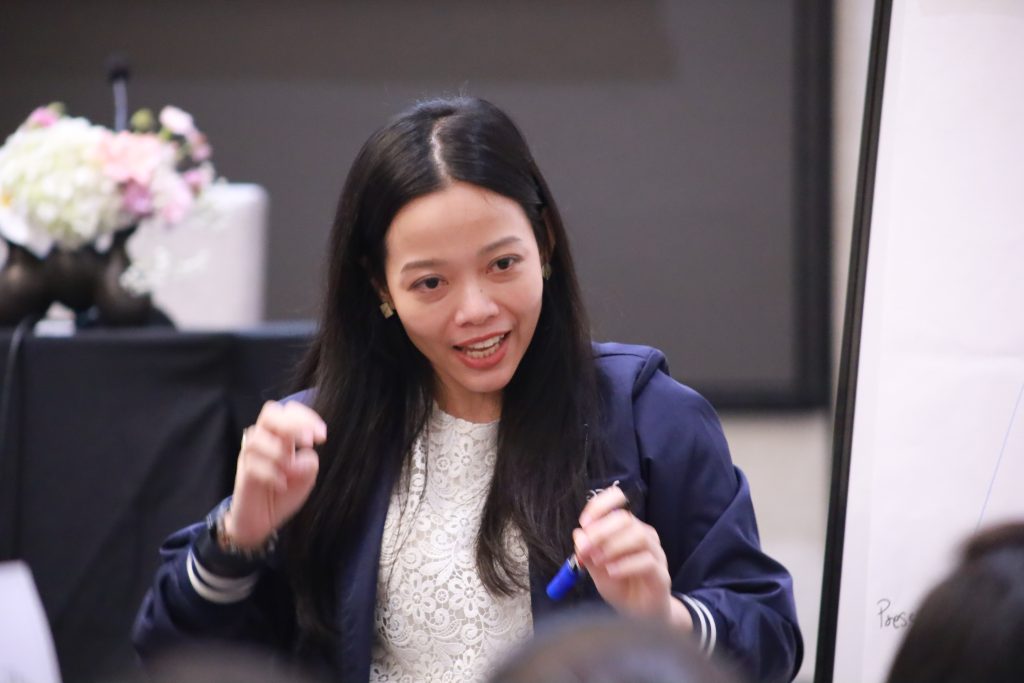
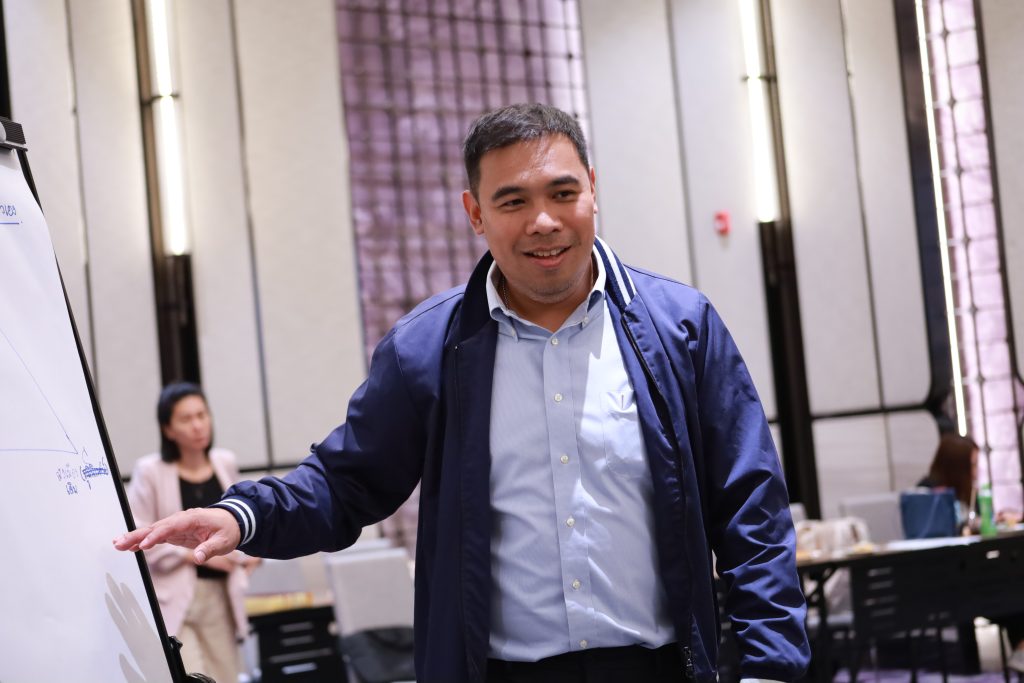
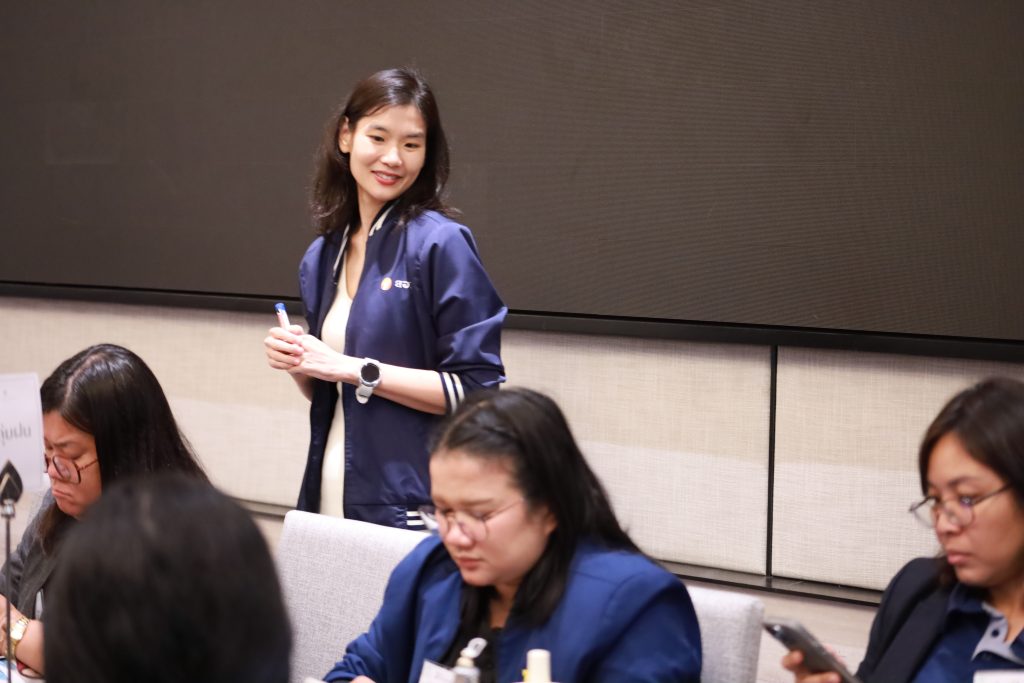
During the workshop, participants were divided into five strategic groups: energy systems, industrial transformation, transport and logistics systems, city transformation, and social and behavioral dimensions. Each group discussed how Thailand should prepare in terms of policy, regulation, technology, investment, and human capacity development in order to advance greenhouse gas reduction and strengthen long-term resilience to climate change.
APEC CTF emphasized that building climate resilience is not only an environmental objective, but also a strategic agenda for enhancing Thailand’s competitiveness in the modern global landscape. The application of foresight enables organizations to systematically identify risks, opportunities, and policy options, while integrating science, technology, innovation, and multi-stakeholder participation into the country’s Net Zero and sustainable development pathways.
Share


 Back
Back