
 Knowledge Sharing
APEC CTF JOINS A CAPACITY-BUILDING WORKSHOP ON STRATEGIC POLICY DESIGN FOR INTEGRATED NATIONAL SECURITY MANAGEMENT (NSC POLICY DESIGN III) — THE NATIONAL SECURITY COUNCIL DRIVES FORESIGHT TOOLS TOWARD SECURITY POLICY DESIGN
Knowledge Sharing
APEC CTF JOINS A CAPACITY-BUILDING WORKSHOP ON STRATEGIC POLICY DESIGN FOR INTEGRATED NATIONAL SECURITY MANAGEMENT (NSC POLICY DESIGN III) — THE NATIONAL SECURITY COUNCIL DRIVES FORESIGHT TOOLS TOWARD SECURITY POLICY DESIGN
APEC CTF JOINS A CAPACITY-BUILDING WORKSHOP ON STRATEGIC POLICY DESIGN FOR INTEGRATED NATIONAL SECURITY MANAGEMENT (NSC POLICY DESIGN III) — THE NATIONAL SECURITY COUNCIL DRIVES FORESIGHT TOOLS TOWARD SECURITY POLICY DESIGN

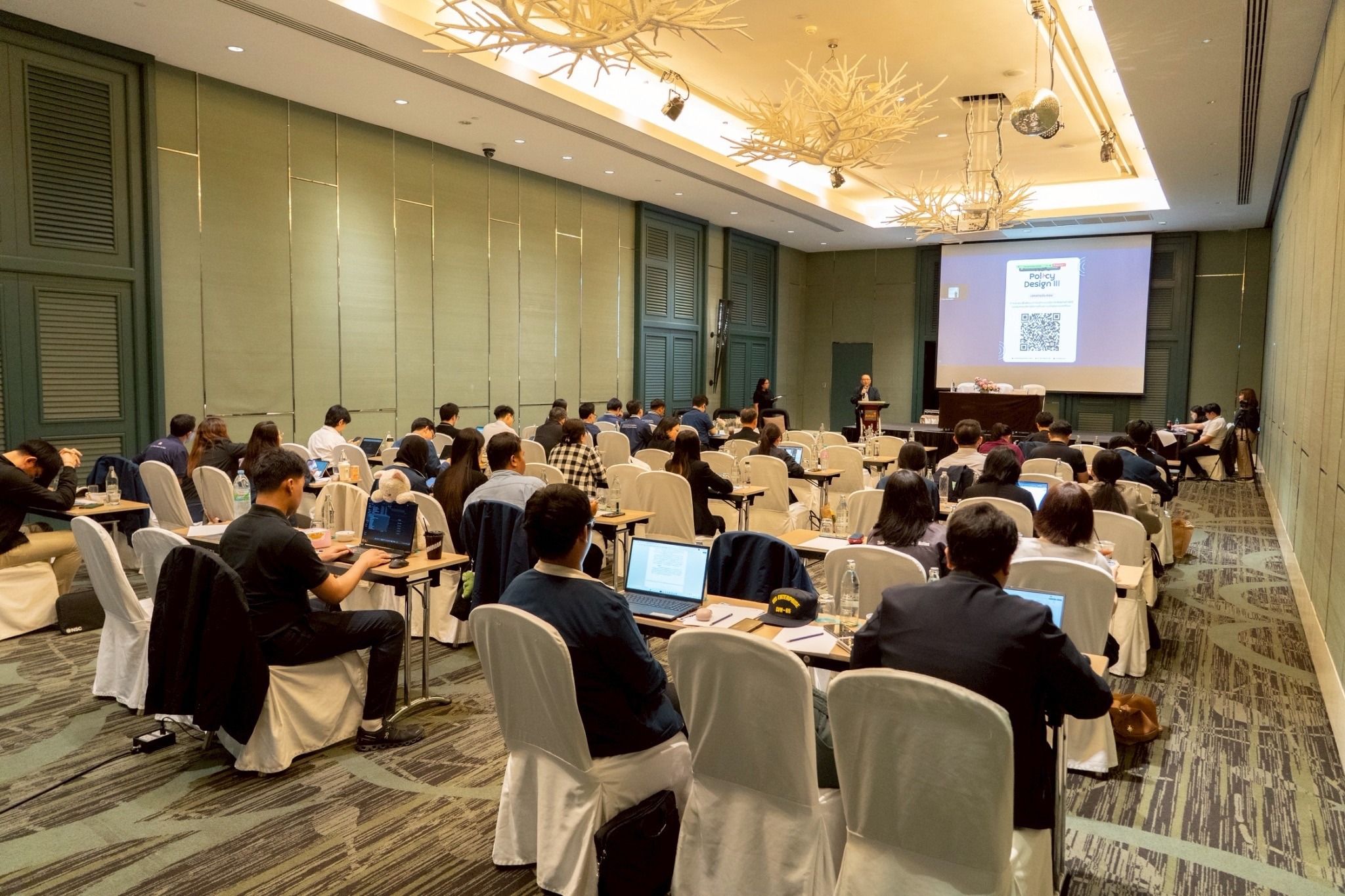
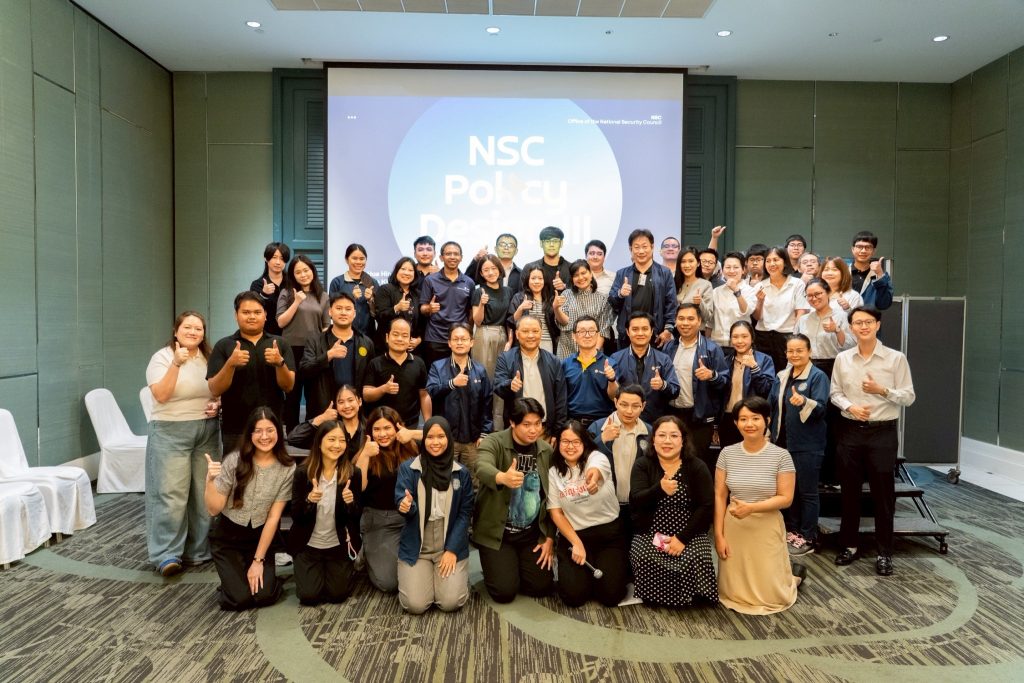
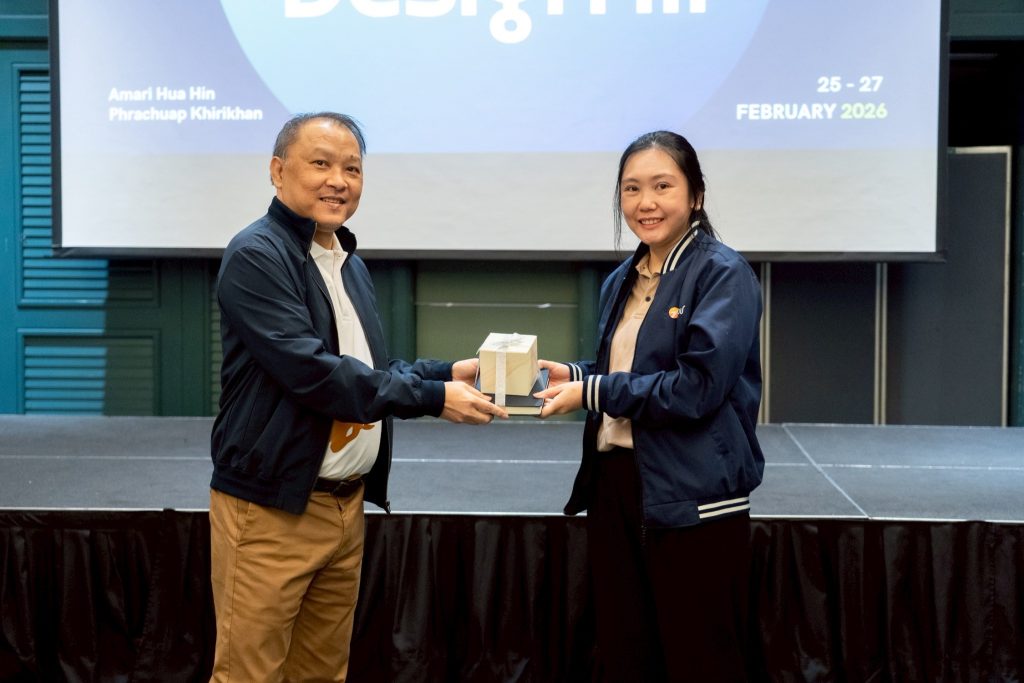
APEC Center for Technology Foresight (APEC CTF) – The Office of National Higher Education Science Research and Innovation Policy Council (NXPO), participated in the capacity-building workshop on strategic policy design for integrated national security management (NSC Policy Design III). The workshop was organized by the Office of the National Security Council (NSC), Department of Security Policy and Strategy, during 25–27 February 2022 in Hua Hin District, Prachuap Khiri Khan Province. The objective was to enhance the “strategic policy design” process so it can keep pace with security challenges in a volatile, complex, and rapidly changing global environment.
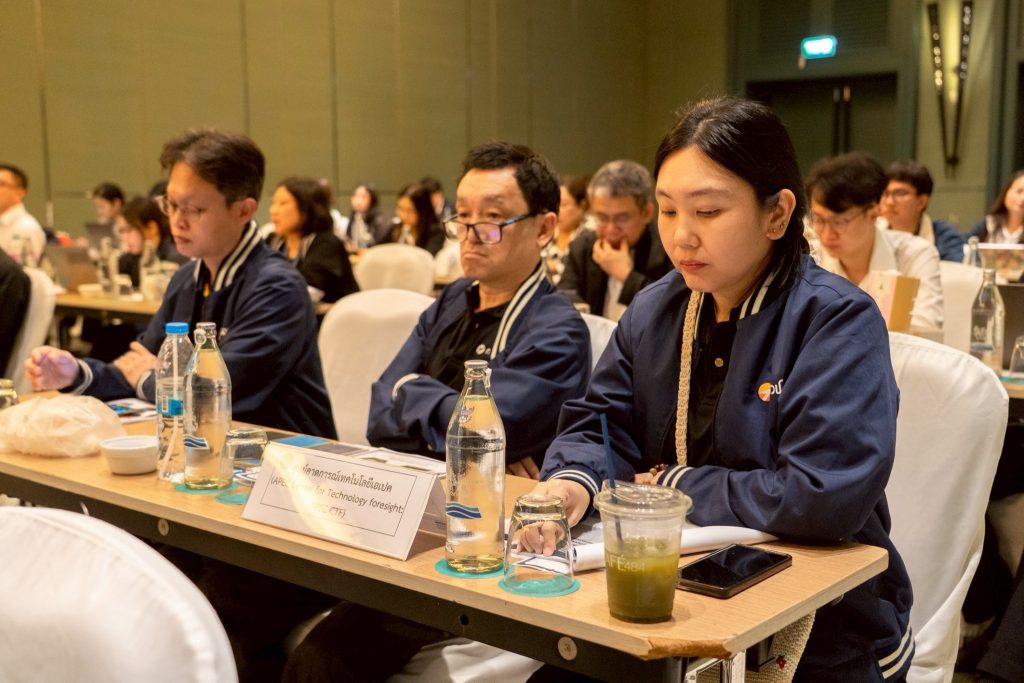
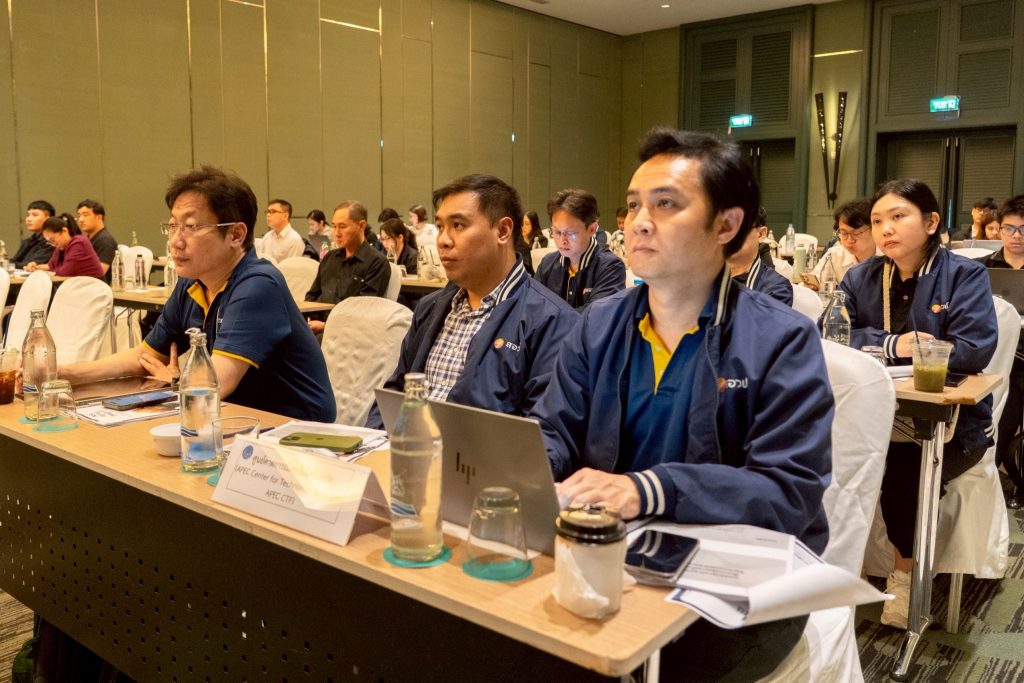
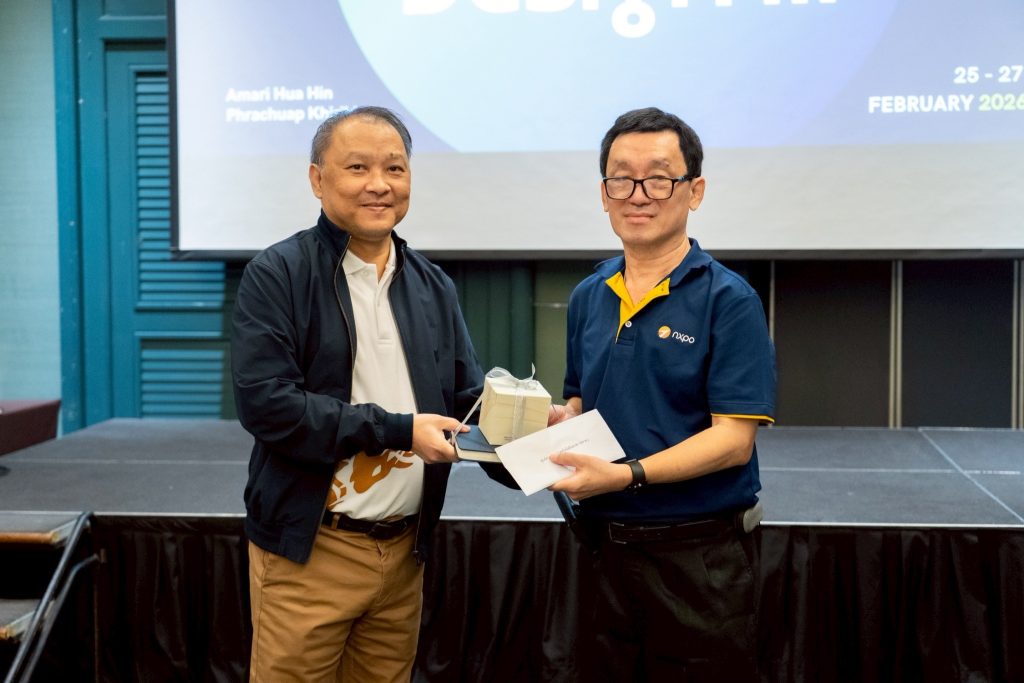
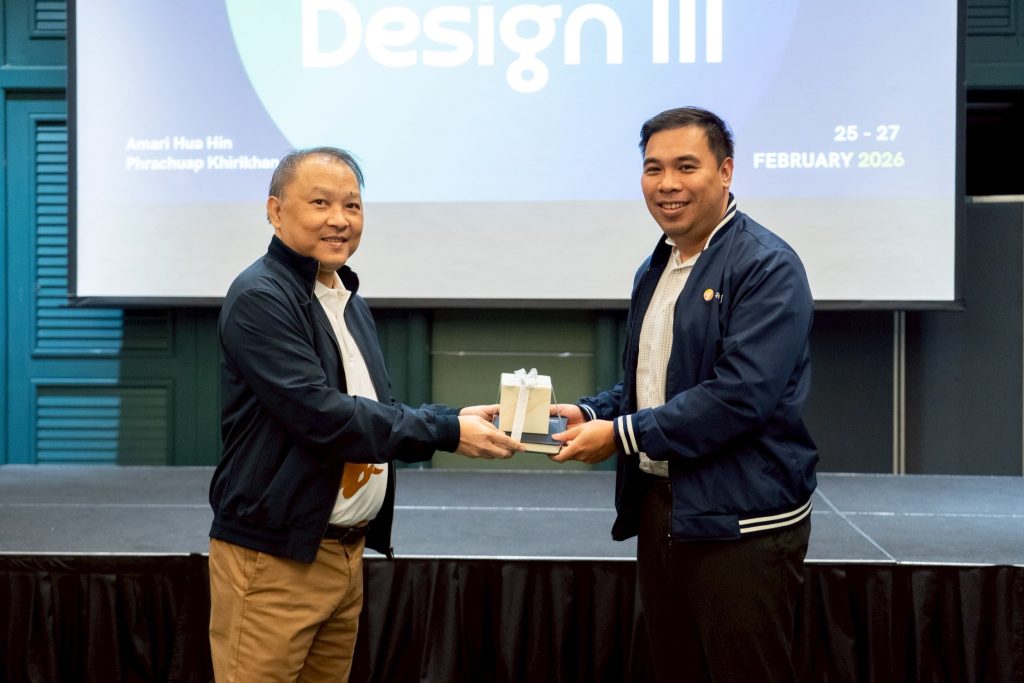
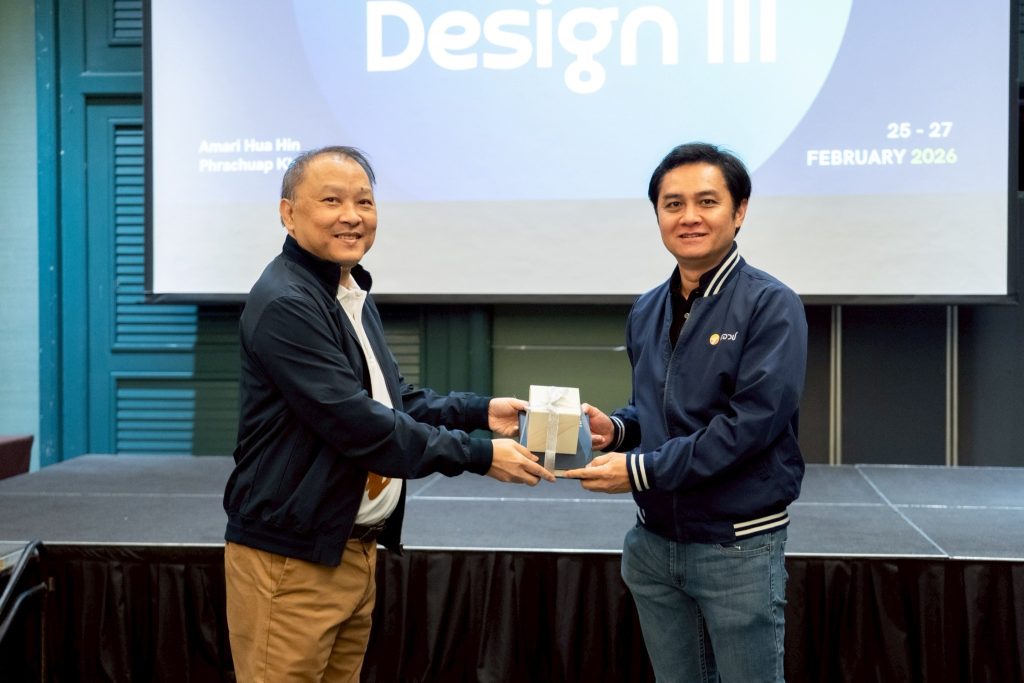
APEC CTF’s participation was led by Dr. Suchat Udomsopagit, Assistant to the President of NXPO, together with Dr. Kommate Jitvanichphaibool, Deputy Director of APEC CTF and Senior Division Director of the Strategic Foresight and Futures Studies Division, NXPO, and the team. They contributed to policy discussions and shared approaches for applying foresight tools to support the identification of Thailand’s “strategic national security issues” and the systematic management of integrated security, with an emphasis on linking signal analysis to policy decisions and actionable implementation.
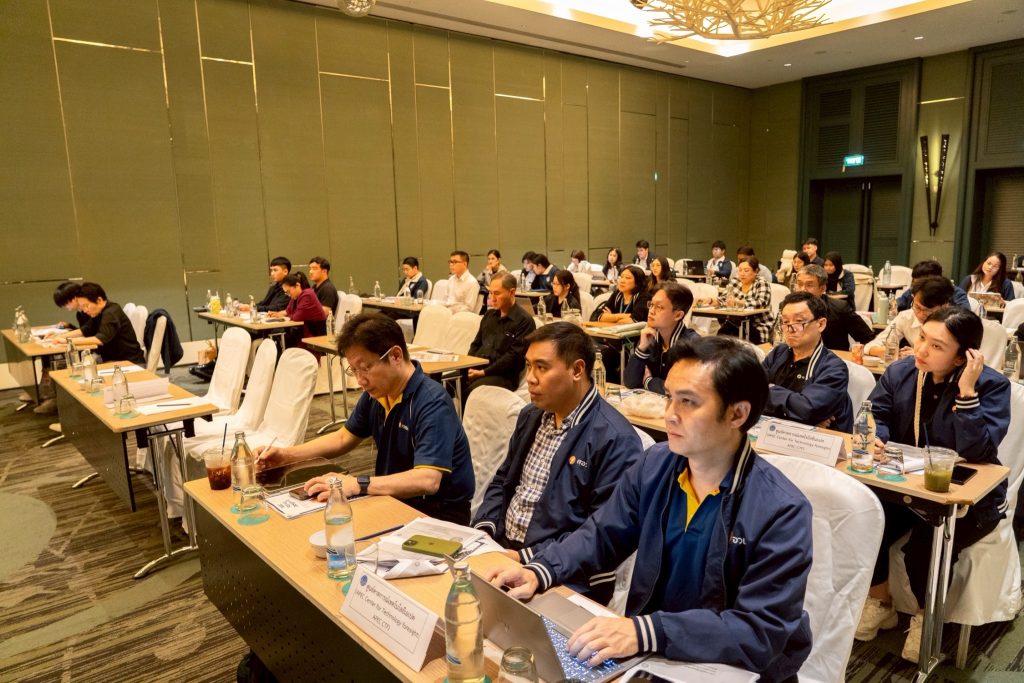
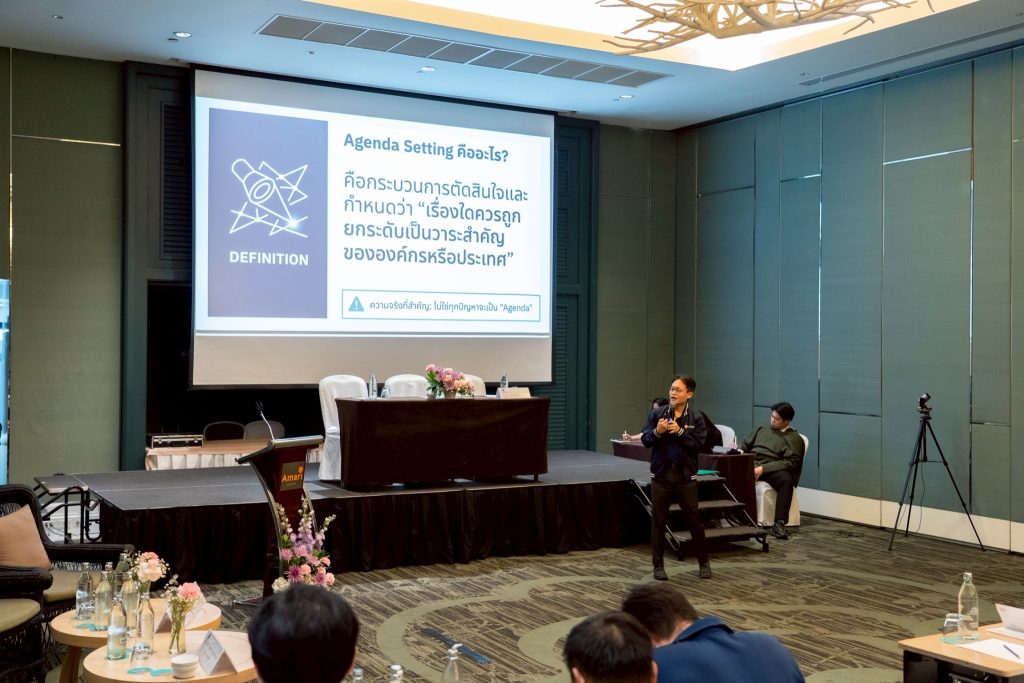
The strategic national security issues discussed as a key framework for exchange and further development of the policy design process covered interconnected dimensions, including:
• Geopolitical security and strategic competition arising from shifts in the global balance of power, alliance formation, and implications for regional stability
• Economic security and strategic supply chains, including risks from dependence on critical raw materials and technologies, concentration of production bases, and trade volatility
• Technology and cyber security, including cyber threats, data protection, digital infrastructure, and emerging technologies that may affect national security
• Energy, food, and resource security, including uncertainties in energy and food systems, water and natural resources, and climate change-related risks
• Public health security and cross-border threats, including preparedness for emerging infectious diseases, surveillance systems, and risk management
• Social security and public trust, including crisis policy communication, misinformation, and trust-building
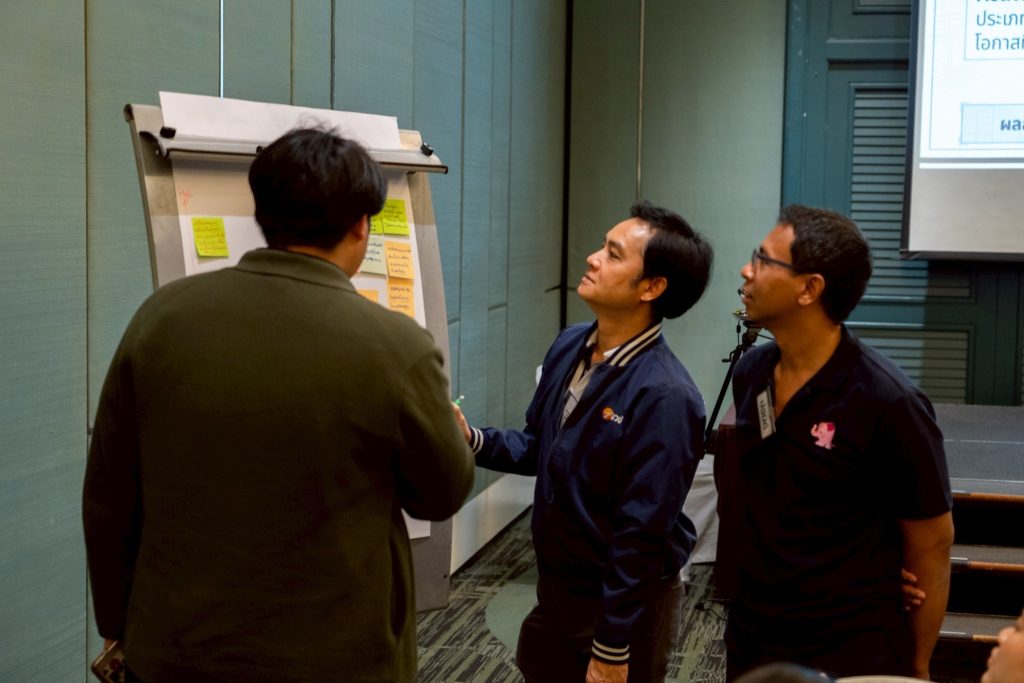
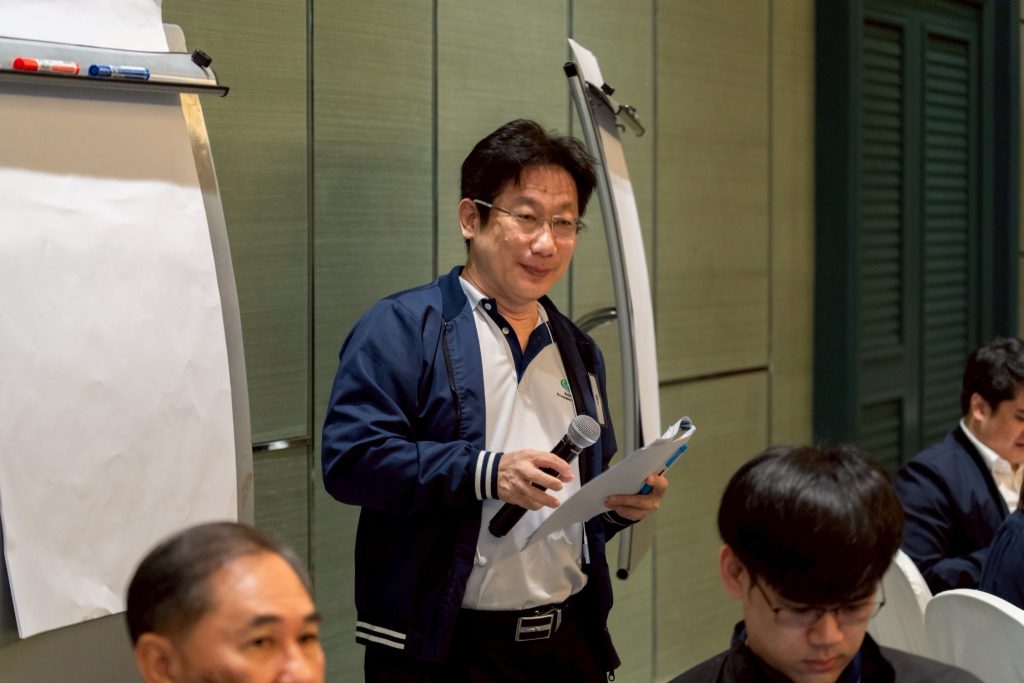
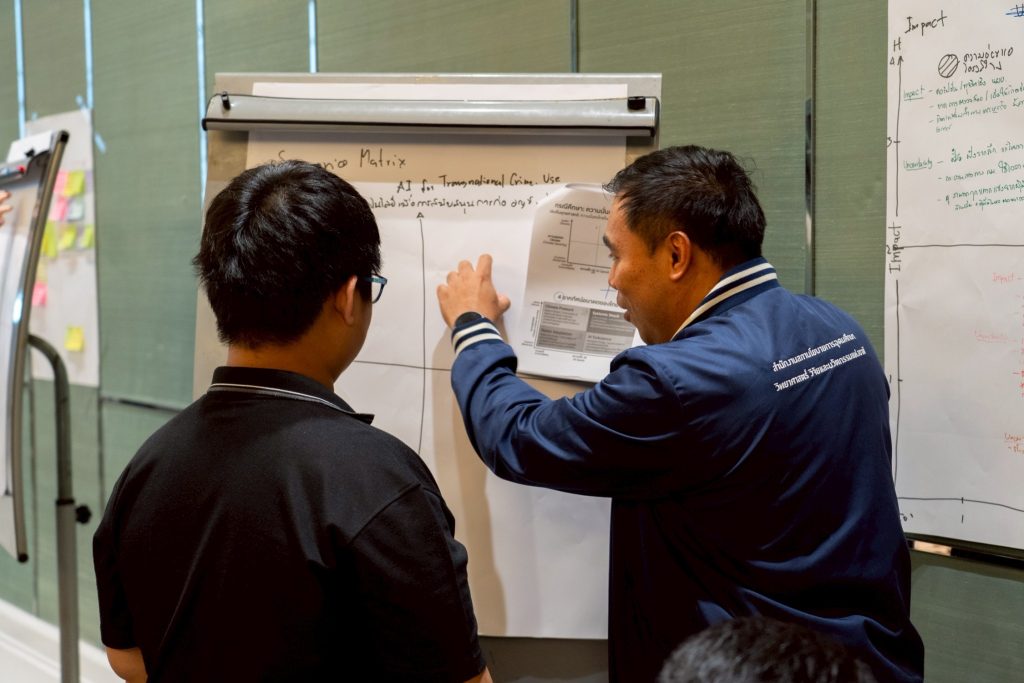
Within this framework, the APEC CTF played a significant role in providing both technical and process support through workshops and capacity-building activities. These activities transferred foresight tools and strategic policy design approaches that enable participants to systematically analyze the security environment, understand risk dynamics across the short, medium, and long term, and translate analytical insights into clear and practical policy options.
APEC CTF-NXPO reaffirm their commitment to continuously developing Thailand’s “foresight ecosystem,” consistent with the shared direction advanced through the establishment of the Thailand Foresight Alliance. This initiative aims to strengthen collaboration networks among government agencies, academia, and the private sector; enhance national capacity to use foresight tools to analyze trends and strategic risks; translate findings into evidence-based policy proposals; and support policy decision-making to better prepare for uncertainty and future change effectively.


Share


 Back
Back