
 News Release and Events
APEC CTF – NXPO HOSTED TNA STEERING COMMITTEE REVIEWS SHORTLISTED TECHNOLOGIES ACROSS KEY SECTORS
News Release and Events
APEC CTF – NXPO HOSTED TNA STEERING COMMITTEE REVIEWS SHORTLISTED TECHNOLOGIES ACROSS KEY SECTORS
APEC CTF – NXPO HOSTED TNA STEERING COMMITTEE REVIEWS SHORTLISTED TECHNOLOGIES ACROSS KEY SECTORS

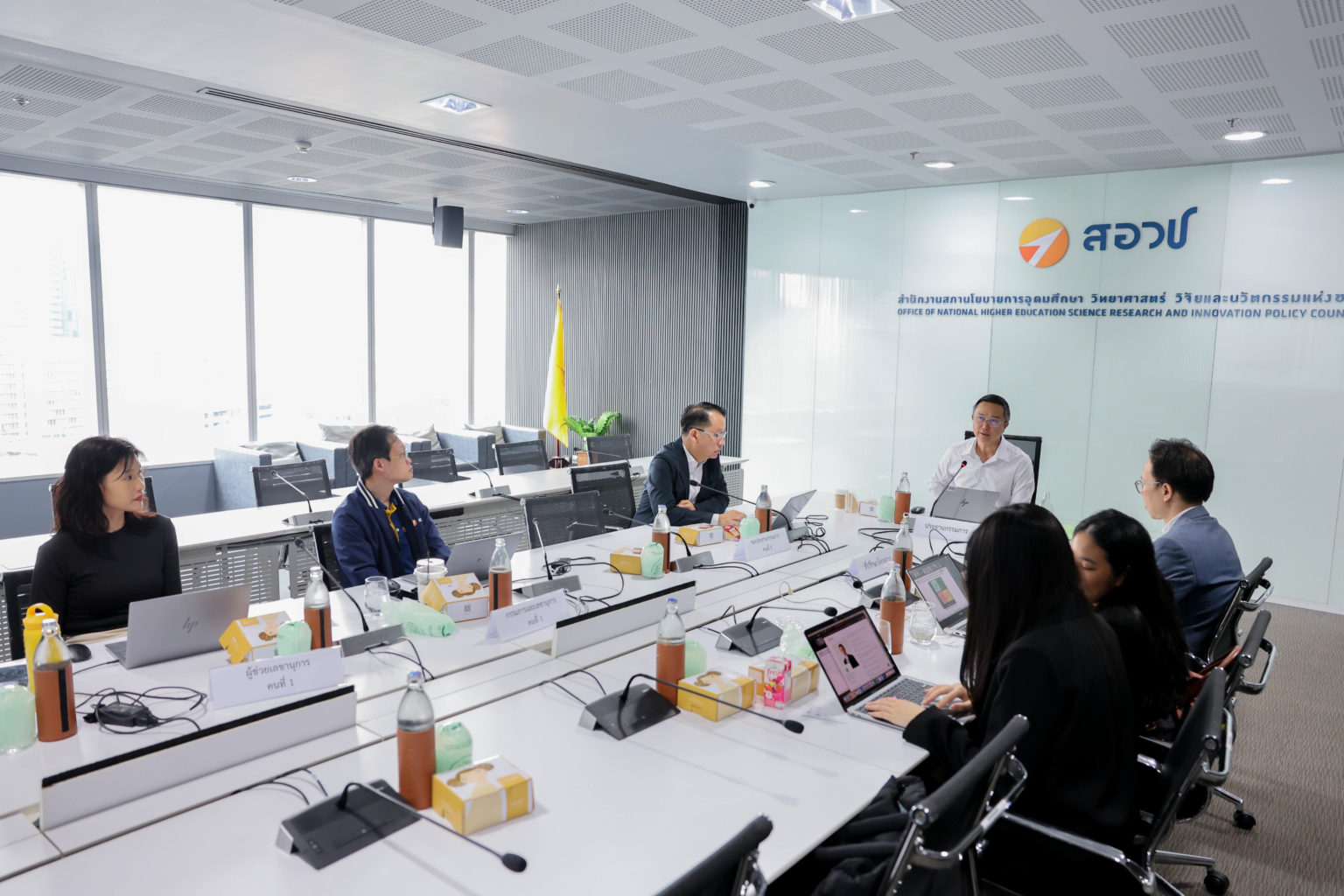
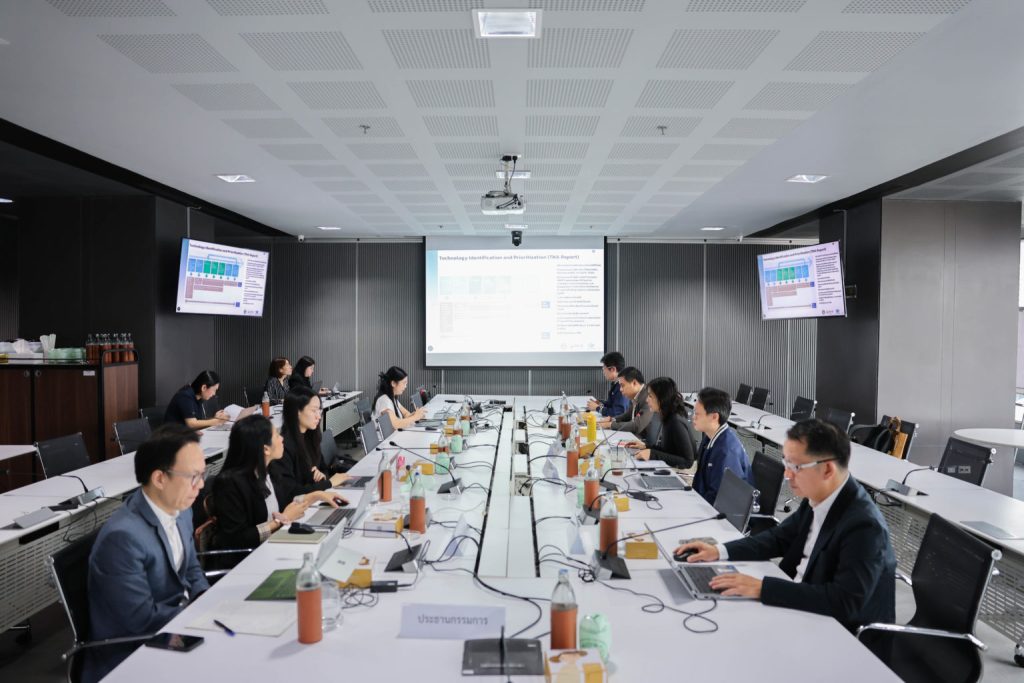
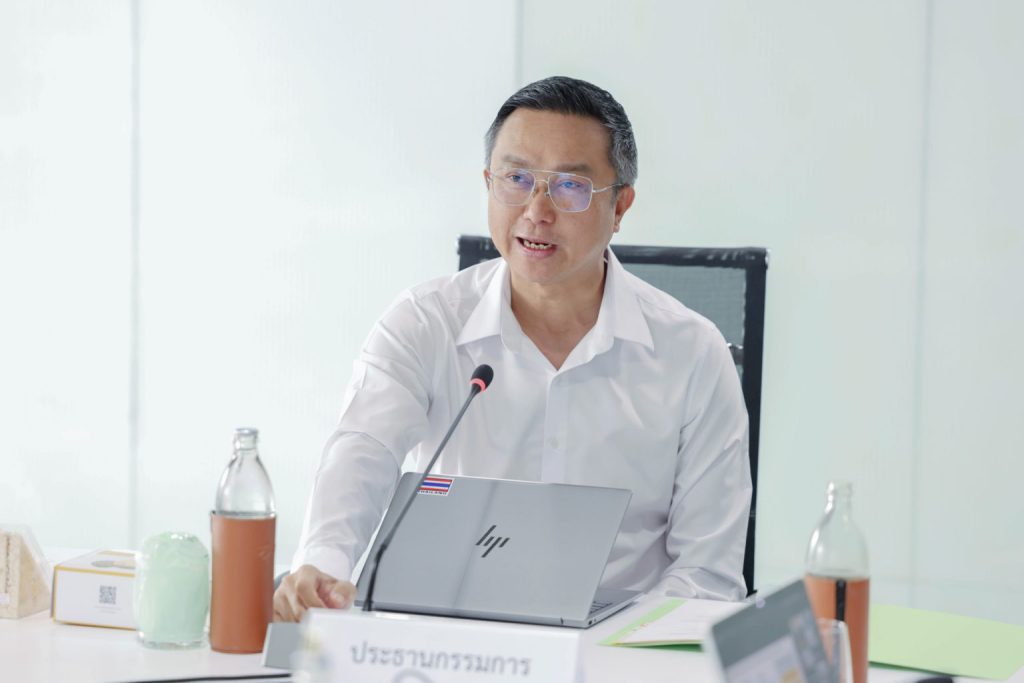
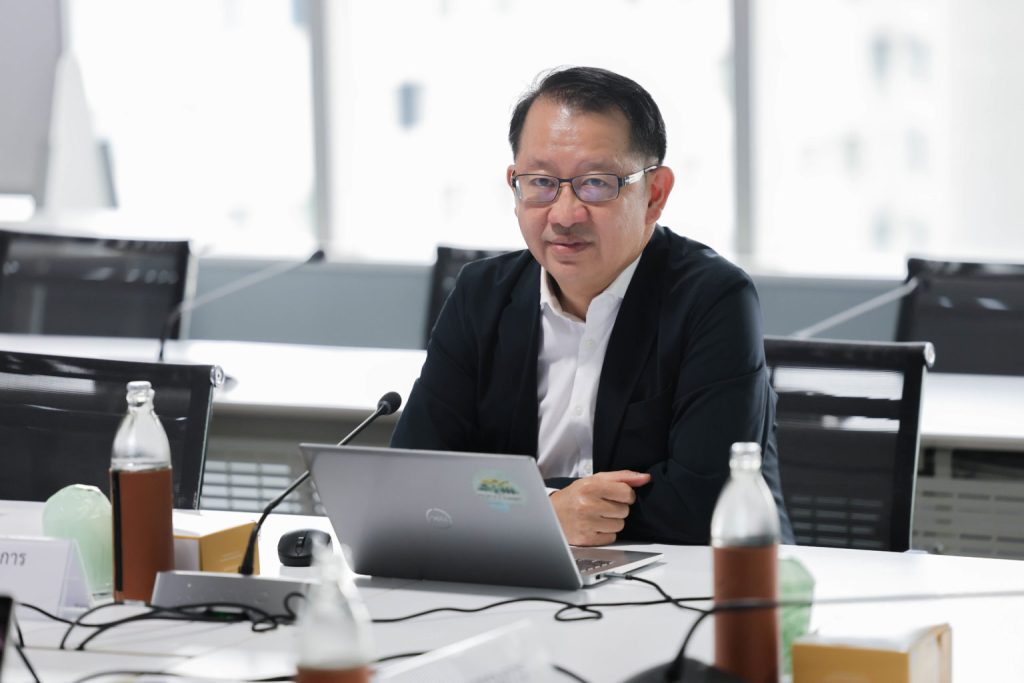
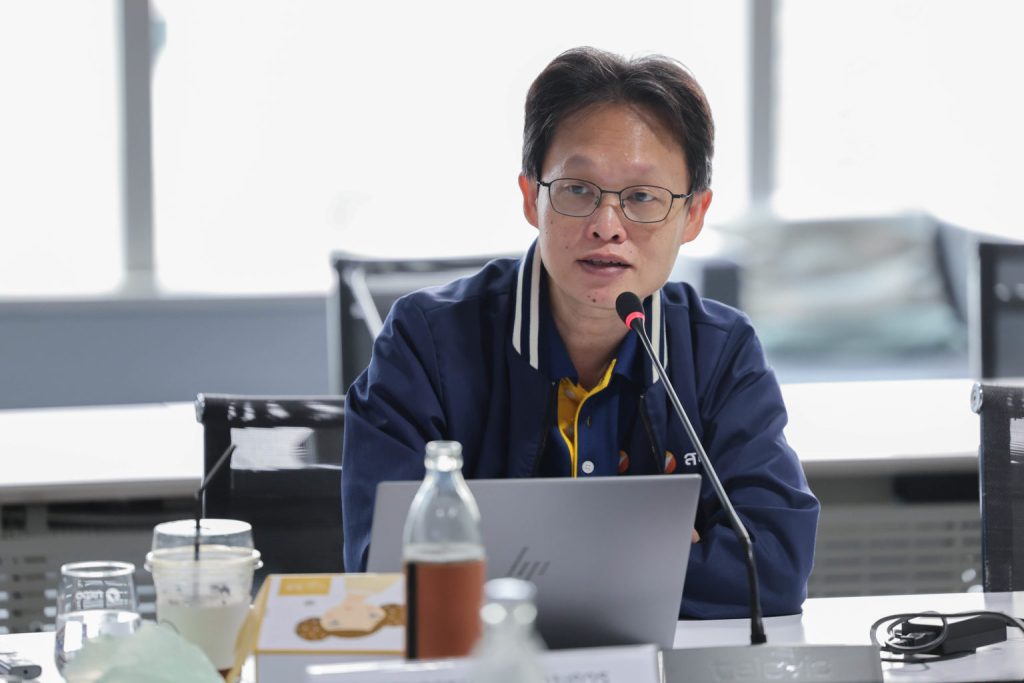
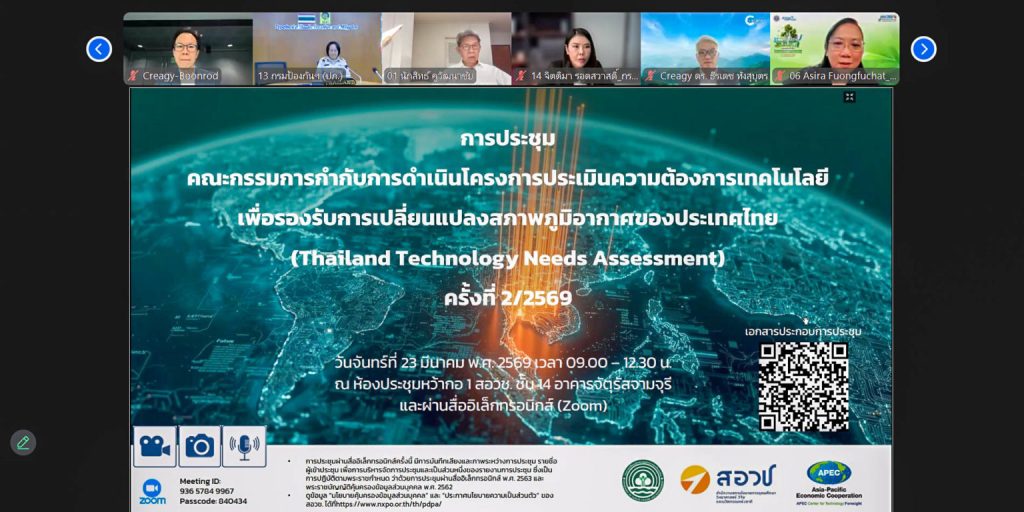
On 23 March 2026, the Office of National Higher Education, Science, Research and Innovation Policy Council (NXPO) – APEC Center for Technology Foresight (APEC CTF) in collaboration with the Department of Climate Change and Environment (DCCE), convened the 2nd Steering Committee Meeting for the Thailand Technology Needs Assessment (TNA) Project. The meeting was chaired by Dr. Surachai Sathitkunarat, President of NXPO, Executive Director of APEC CTF, and members of the project team.
In his opening remarks, Dr. Surachai highlighted the importance of the project’s second phase in advancing Thailand’s national response to climate change. He noted that the TNA project plays a key role in identifying and promoting climate-related technologies, while also supporting the use of technology transfer mechanisms under the United Nations Framework Convention on Climate Change (UNFCCC).
At an earlier meeting, the Steering Committee agreed to organize priority technologies into four strategic sectors: energy, agriculture, water resources management, and human settlements and security. Sub-working groups were subsequently established, and sectoral workshops were held to examine each area in depth and develop preliminary longlists and shortlists of technologies. The results of these consultations were presented to the committee for review and endorsement.


The selection process applied Multi-Criteria Analysis (MCA) to assess the potential impacts of each technology by 2035. Evaluation criteria included technology diffusion, climate impacts, and sustainable development impacts. In parallel, a readiness assessment was conducted to determine the maturity of each technology and identify the types of support required. This assessment covered four dimensions: infrastructure (hardware), human resources and knowledge (software), institutional and regulatory frameworks (orgware), and finance and investment.
The shortlisted technologies for each sector are as follows:
Energy
- Small Modular Reactors (SMRs)
- Sustainable Aviation Fuel (SAF)
- Carbon Capture, Utilization, and Storage (CCS/CCUS/BECCS)
- Solar PV for Infrastructure
Agriculture
- CH4 Emission Reduction in Ruminants through Natural Inhibitors
- Gene-edited Rice
- N2O Mitigation through Nitrification Inhibitors
- Near-Infrared (NIR) Sensor
Water Resources Management
- IoT-based Real-Time Water Quality Adaptation Systems
- Underground Attenuation and Storage (UAS)
- Managed Aquifer Recharge (MAR)
- Physics-Guided Long Short-Term Memory (PG-LSTM)
Human Settlements and Security
- Thailand Climate Integrated Model (ThaiCIM)
- Energy for Disaster
- Passive Radiative Cooling (PRC) Materials
- Digital Twin-Based Climate Risk Urban Planning Platform
The shortlisted technologies will undergo a further round of review and prioritization before being used to develop detailed Technology Action Plans (TAPs) for Thailand.
Share


 Back
Back