
 Meetings
APEC CTF PARTICIPATES IN APEC SOM3, ADVANCING STI COOPERATION AND MISSION-ORIENTED INNOVATION POLICY
Meetings
APEC CTF PARTICIPATES IN APEC SOM3, ADVANCING STI COOPERATION AND MISSION-ORIENTED INNOVATION POLICY
APEC CTF PARTICIPATES IN APEC SOM3, ADVANCING STI COOPERATION AND MISSION-ORIENTED INNOVATION POLICY

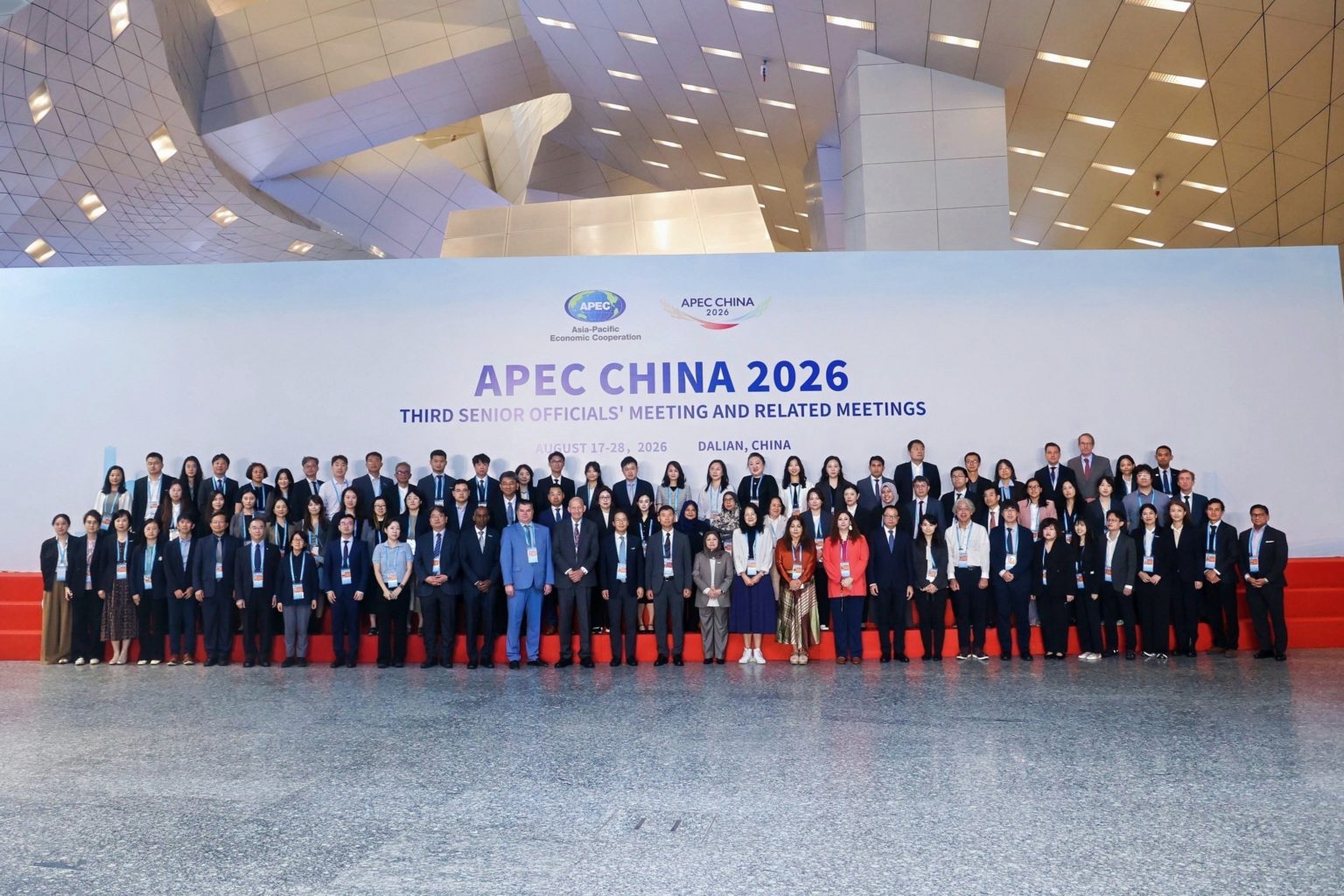
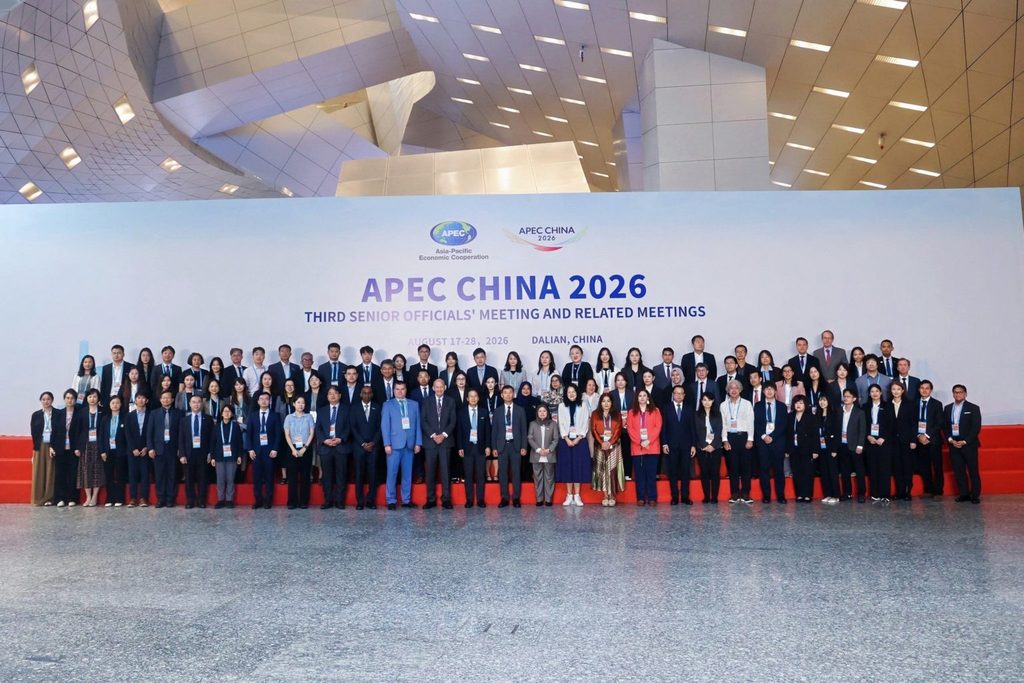
The APEC Center for Technology Foresight (APEC CTF) – Office of the National Higher Education Science Research and Innovation Policy Council (NXPO), under Thailand’s Ministry of Higher Education, Science, Research and Innovation (MHESI), participated in the APEC Third Senior Officials’ Meeting (SOM3) and Related Meetings 2026, held from 17–28 August 2026 in Dalian, People’s Republic of China.
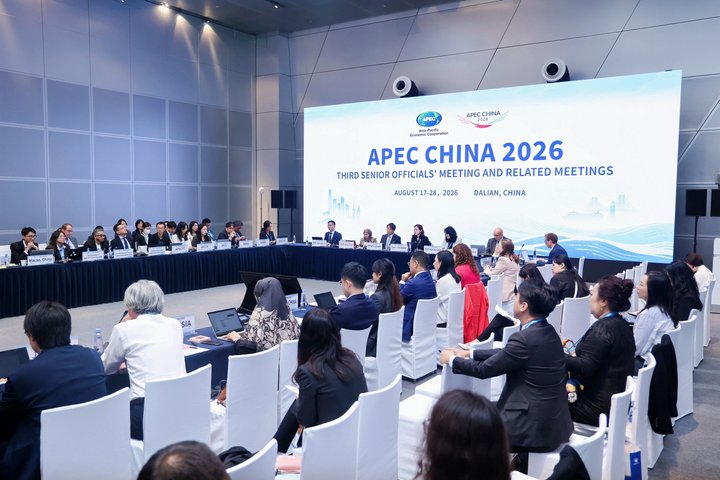
The NXPO – APEC CTF delegation was led by Dr. Kommate Jitvanichphaibool, Assistant President of NXPO and Deputy Executive Director of the APEC Center for Technology Foresight (APEC CTF), together with Dr. Nattamon Suwanaprom and Ms. Jiraphan Christian Linares, Policy Developers from NXPO’s Strategic Foresight and Futures Studies Division and APEC CTF.
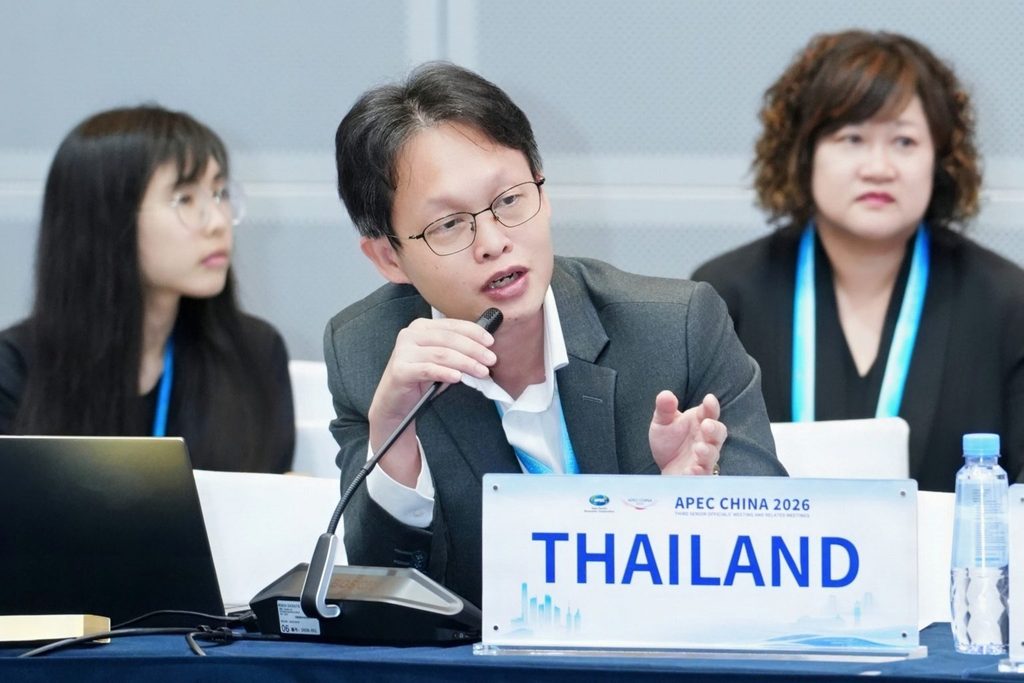
The delegation joined meetings under the APEC Policy Partnership for Science, Technology and Innovation (PPSTI) on 19–20 August 2026, contributing to discussions on future directions for regional cooperation in science, technology and innovation (STI), including the development of new APEC project Concept Notes.
A key focus of the meeting was the advancement of Mission-Oriented Innovation Policy (MOIP) through a Mission Map, which aims to connect STI cooperation with key regional priorities.
The work is organized under three PPSTI sub-groups: Sub-group A: Strengthen Science Capacity; Sub-group B: Promote an Enabling Environment for STI; and Sub-group C: Enhance Regional S&T Connectivity. Together, the three groups contribute to developing initiatives aligned with MOIP objectives and PPSTI priorities.
During the meeting, Dr. Kommate Jitvanichphaibool exchanged views with representatives of APEC economies on the future direction of PPSTI, particularly on how to define objectives and monitor outcomes of sub-missions under the MOIP framework. The discussion emphasized the need to link mission-level goals with clear and measurable outcomes.
Participants also proposed further consultations among economies involved in developing the MOIP framework to refine the approach and prepare recommendations for further consideration by PPSTI.
Meanwhile, Dr. Nattamon Suwanaprom and Ms. Jiraphan Christian Linares participated in the Sub-group A meeting, exchanging views on APEC initiatives such as Tech for Good, InnoFuture of Smart Mobility, and the Open Innovation Workshop. These projects demonstrate how STI can be mobilized to strengthen regional capabilities and support shared priorities.
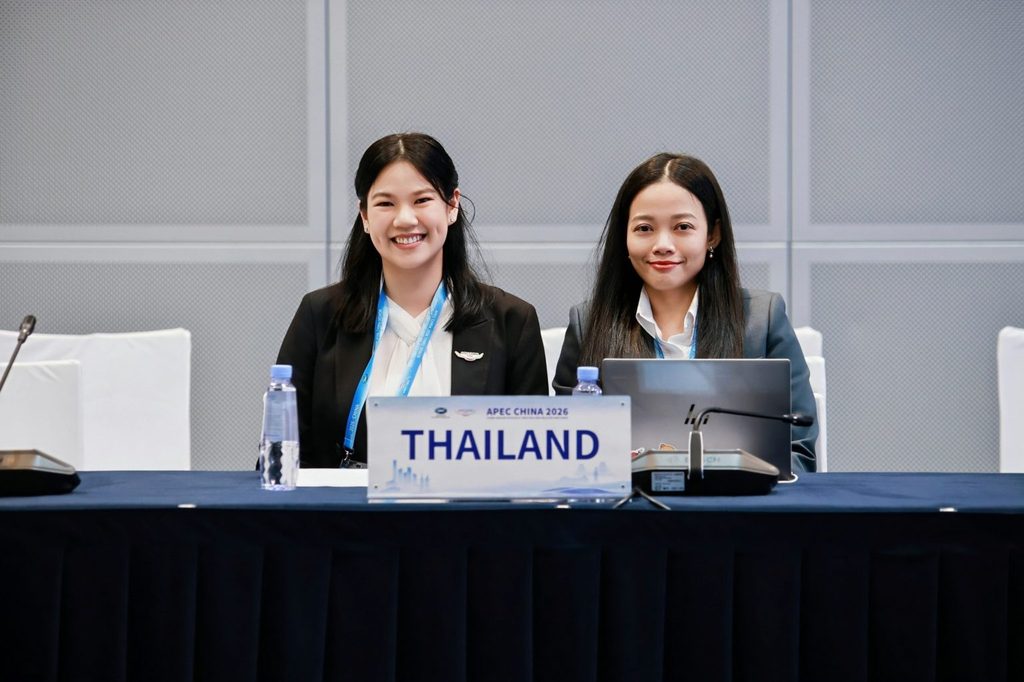
The MOIP discussions highlighted the importance of starting with clear and ambitious missions, while bringing together governments and stakeholders from different sectors to translate knowledge, technologies and innovation into concrete regional actions.
During SOM3, Ms. Jiraphan Christian Linares, representing APEC CTF, also joined a Roundtable Discussion with representatives from China, Peru, the Republic of Korea, Thailand and Mexico on APEC’s role in promoting an Open Innovation Ecosystem.
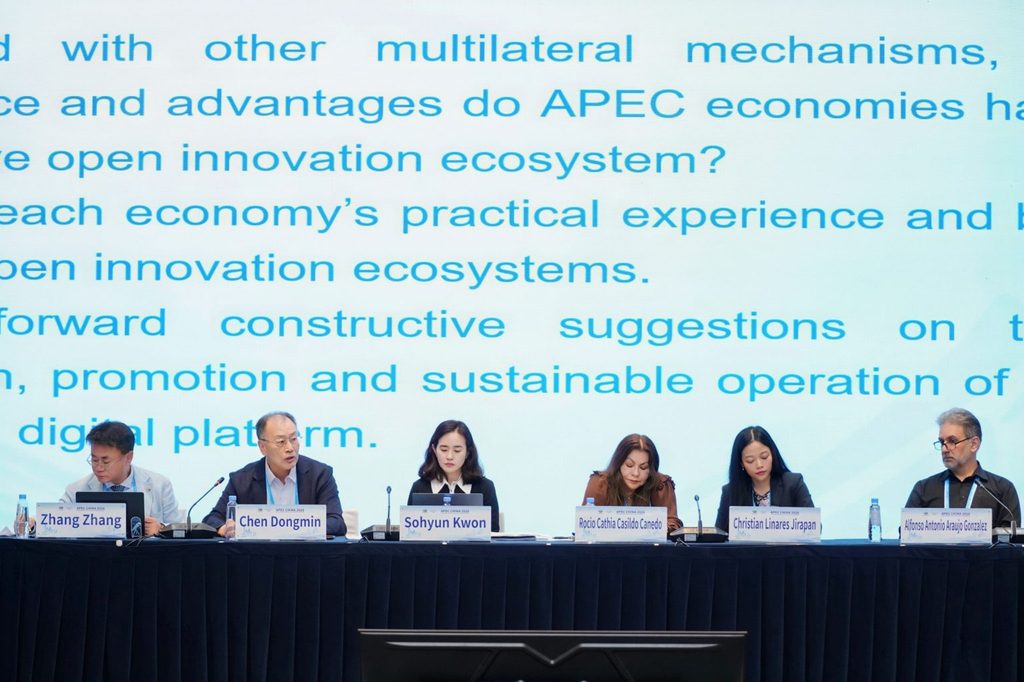
She shared Thailand’s experience in using Open Innovation to help bridge the commercialization gap between research and market application, as well as the geographical gap in access to resources, networks and innovation opportunities. Thailand’s experience highlighted the role of government support, funding mechanisms and innovation intermediaries, such as science parks, in enabling broader access to innovation and supporting commercialization.
Thailand’s participation in APEC SOM3 and PPSTI meetings provided an important opportunity to contribute to shaping regional STI cooperation and exchange policy experiences with other APEC economies.
In particular, connecting Mission-Oriented Innovation Policy, which focuses on shared missions to address complex challenges, with Open Innovation, which enables collaboration across sectors, can help translate regional priorities into practical initiatives and measurable impact.
The APEC CTF continues to support foresight and futures thinking in science, technology and innovation by facilitating knowledge exchange and forward-looking policy dialogue among APEC economies, helping the region anticipate emerging changes and develop more responsive forms of cooperation.
Share


 Back
Back